
Organizations are increasingly developing or deploying “immersive technologies,” a collection of hardware and software products that substitute, enhance, or alter users’ individual, physical-world experiences. These emerging technologies—which include tools like extended reality (XR), virtual worlds, and brain-computer interfaces (BCIs)—have the potential to transform healthcare, education, entertainment, advertising, and other sectors. However, because they often rely on large amounts and kinds of personal, potentially sensitive data, they also raise important privacy and data protection questions. Without safeguards, data about people’s bodies, behaviors, and surrounding environments could be inferred and used to manipulate, discriminate against, or otherwise harm both users and bystanders. FPF works with experts from industry, academia, and civil society to identify the unique privacy and data protection risks in this nascent field, analyze how existing and emerging regulations implicate immersive technologies, and develop best practices and policy recommendations.




FPF Celebrates 15 Years! Spring Social Marks Board Transition as Data Protection Leaders Toast to FPF’s Success
Leaders in Data Protection Take Center Stage at FPF’s Spring Social The week started with FPF’s 15th Anniversary Spring Social, where FPF CEO Jules Polonetsky thanked FPF’s Board Chair and Founder Chris Wolf, who served for 15 years, and welcomed FPF’s new Board Chair, Alan Raul. Three leading data protection regulators lauded FPF’s effectiveness in […]
12th Annual Privacy Papers for Policymakers Awardees Explore the Nature of Privacy Rights & Harms
The winners of the 12th annual Future of Privacy (FPF) Privacy Papers for Policymakers Award ask big questions about what should be the foundational elements of data privacy and protection and who will make key decisions about the application of privacy rights. Their scholarship will inform policy discussions around the world about privacy harms, corporate […]
State Legislators Prioritizing Privacy
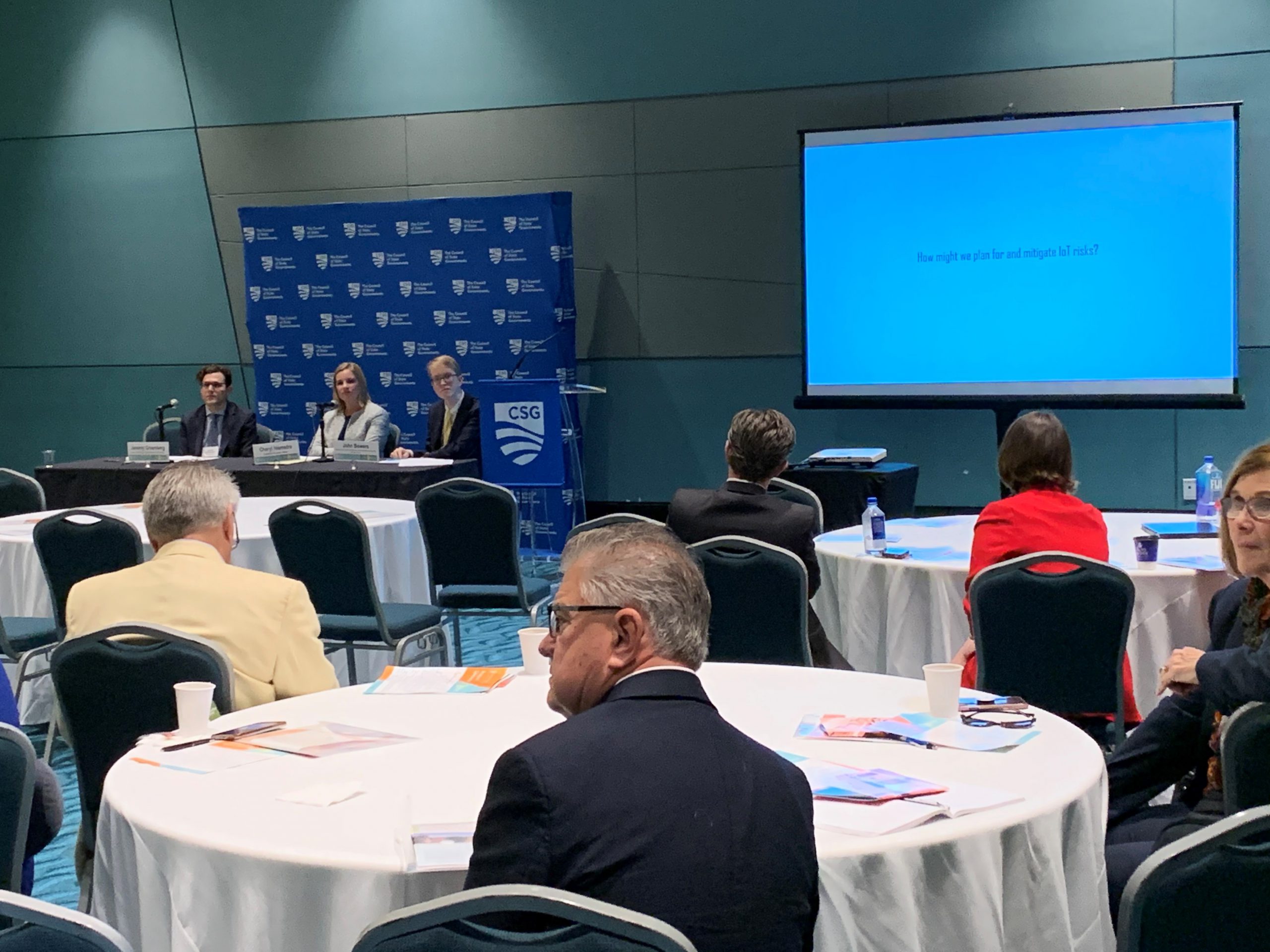
Last week, The Council of State Governments (CSG) held its annual conference in Puerto Rico, bringing together bi-partisan state lawmakers from across the country to engage in thoughtful discourse and learn about issues impacting their constituents. Policy Fellow Jeremy Greenberg shares key privacy themes that resonated through the event: State legislators feel the need to […]
Google Glasses and the Do Not See List?
Release of new details about the Google Glass project deservedly is getting great attention from a range of tech and privacy writers. The idea of smart glasses is familiar to fans of Vernor Vinge’s book Rainbow’s End, which won the 2007 Hugo Award for best science fiction novel of the year. It’s safe to say […]