
Privacy Enhancing Technologies (PETs) are crucial for safeguarding individual privacy while enabling socially beneficial research, data sharing, and advancements in sectors that collect or use sensitive data. As AI systems increasingly rely on vast amounts of data, PETs like differential privacy, homomorphic encryption, federated learning, zero-knowledge proofs, and even model contract clauses can help ensure that personal data remains confidential and secure. This is vital not only for protecting individual rights but also for earning and maintaining public trust in technologies that use data about people.
Ethically implementing PETs is also essential. PETs must be designed and deployed to protect marginalized groups and avoid practices that may appear to be privacy-preserving, but actually exploit sensitive data or undermine privacy. In addition, clear policy guidelines on the deployment of PETs are necessary to help make sound business cases for their use in industry. If PETs are ethically integrated into research and business practices, and if global regulators have an opportunity to support their appropriate deployment, there is enormous potential for increasing technological innovation and societal benefits while upholding privacy and public trust.
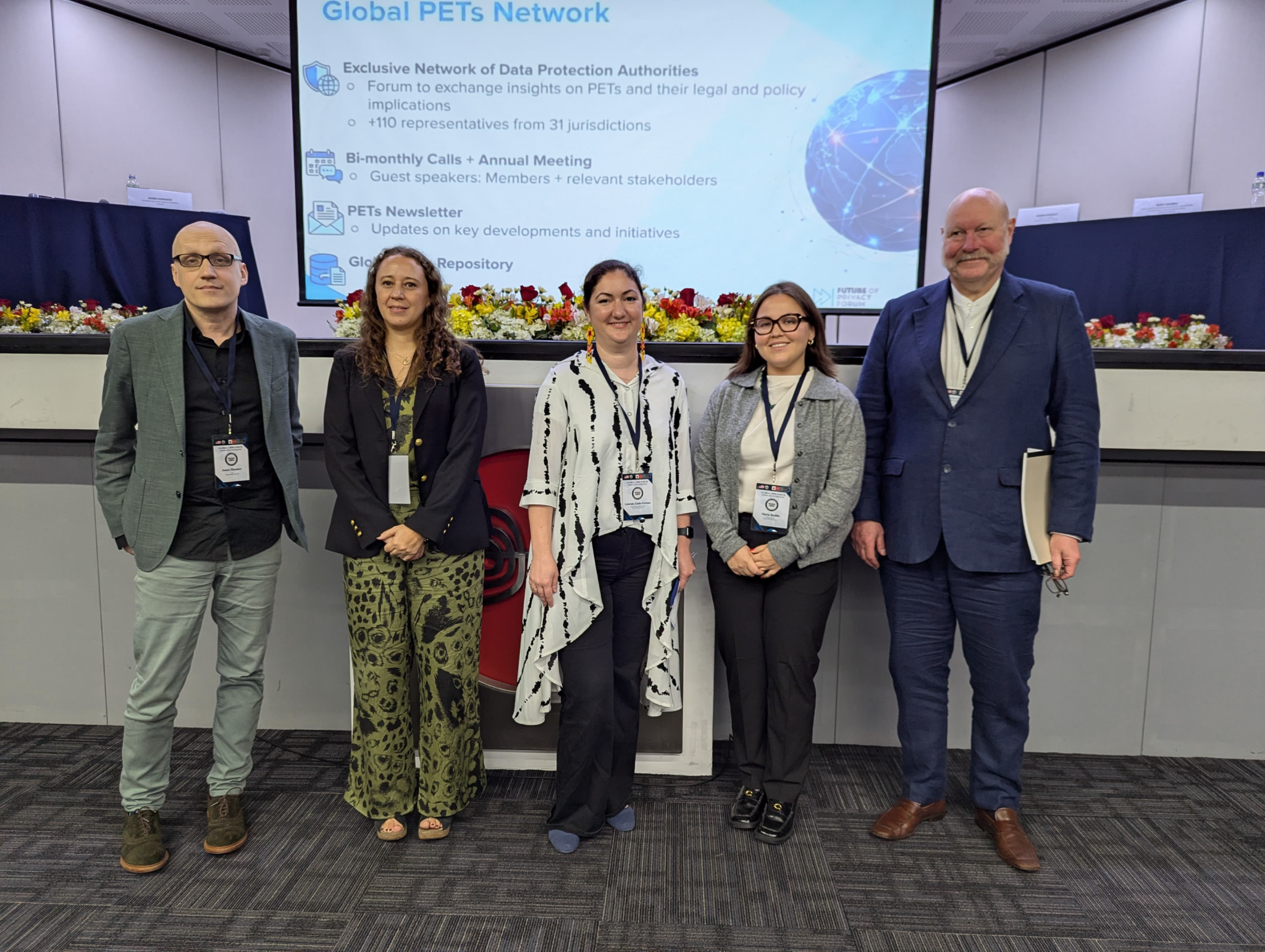
FPF supports the development of PETs, convenes experts from around the world to deploy best practices, and provides in-depth analysis of emerging technologies and their policy implications. FPF also leads the National Science Foundation and Department of Energy-funded Research Coordination Network for the use of PETs to advance socially beneficial data sharing and protect people’s privacy as data is increasingly used to train AI models. FPF also facilitates a Global PETs Network of regulators who are interested in the lawful and ethical implementation of these tools.






FPF Hosts Frontiers Workshop on Privacy, AI, and Emerging Infrastructure
On June 10, 2026, the FPF Center for Artificial Intelligence convened a Frontiers Workshop in Washington, DC. Held as part of FPF’s National Science Foundation (NSF) and the Department of Energy (DoE)-funded Privacy-Enhancing Technologies (PETs) Research Coordination Network, the workshop brought together privacy and frontier AI practitioners to examine challenges at the intersection of data […]
No Silver Bullet, But a Silver Lining? PETs and International Data Transfers
Is there a role for Privacy Enhancing Technologies (PETs) to play in the context of international data transfers? The answer to this question could be one of the keys to unlock trusted cross-border data flows at scale in the age of AI. This was the topic explored in a session organized by the Future of […]
Africa’s Data Protection Reforms: A Continental Perspective on the Drivers of Change in Legal Frameworks
1. Introduction Within an evolving digital landscape, several African jurisdictions have proposed a variety of reforms to existing and novel legal frameworks that regulate the processing of personal data, and the development and deployment of new technologies. Across the continent, there is a growing consensus among legislators on the need to create a regulatory environment […]

Innovation and Data Privacy Are Not Natural Enemies: Insights from Korea’s Experience
The following is a guest post to the FPF blog authored by Dr. Haksoo Ko, Professor at Seoul National University School of Law, FPF Senior Fellow and former Chairperson of South Korea’s Personal Information Protection Commission. The guest post reflects the opinion of the author only and does not necessarily reflect the position or views […]

Future of Privacy Forum Appoints Matthew Reisman as Vice President of U.S. Policy
Washington, D.C. — (December 9, 2025) — The Future of Privacy Forum (FPF), a global non-profit focused on data protection, AI, and data governance, has appointed Matthew Reisman as Vice President, U.S. Policy. Reisman brings extensive experience in privacy policy, data protection, and AI governance to FPF. He most recently served as a Director of […]

FPF Celebrates 15 Years! Spring Social Marks Board Transition as Data Protection Leaders Toast to FPF’s Success
Leaders in Data Protection Take Center Stage at FPF’s Spring Social The week started with FPF’s 15th Anniversary Spring Social, where FPF CEO Jules Polonetsky thanked FPF’s Board Chair and Founder Chris Wolf, who served for 15 years, and welcomed FPF’s new Board Chair, Alan Raul. Three leading data protection regulators lauded FPF’s effectiveness in […]

FPF in 2022: A Year in Review
As 2022 comes to an end, we wanted to reflect on a year that saw the Future of Privacy Forum (FPF) expand its presence both domestically and around the globe, while producing engaging events, thought-provoking analysis, and insightful publications. Global Expansion In 2022, FPF closely followed and advised upon significant developments in Asia, the European […]
Organizations must lead with privacy and ethics when researching and implementing neurotechnology: FPF and IBM Live event and report release
A New FPF and IBM Report and Live Event Explores Questions About Transparency, Consent, Security, and Accuracy of Data The Future of Privacy Forum (FPF) and the IBM Policy Lab released recommendations for promoting privacy and mitigating risks associated with neurotechnology, specifically with brain-computer interface (BCI). The new report provides developers and policymakers with actionable […]

FPF Files Comments on CPRA Initial Rulemaking
Yesterday, the Future of Privacy Forum filed comments with the California Privacy Protection Agency on the initial rulemaking under the California Privacy Rights Act (CPRA). The CPRA, which comes into effect in 2023, provides protections for sensitive personal information, expands the California Consumer Privacy Act’s opt-out rights, and requires businesses to provide mechanisms for individuals […]
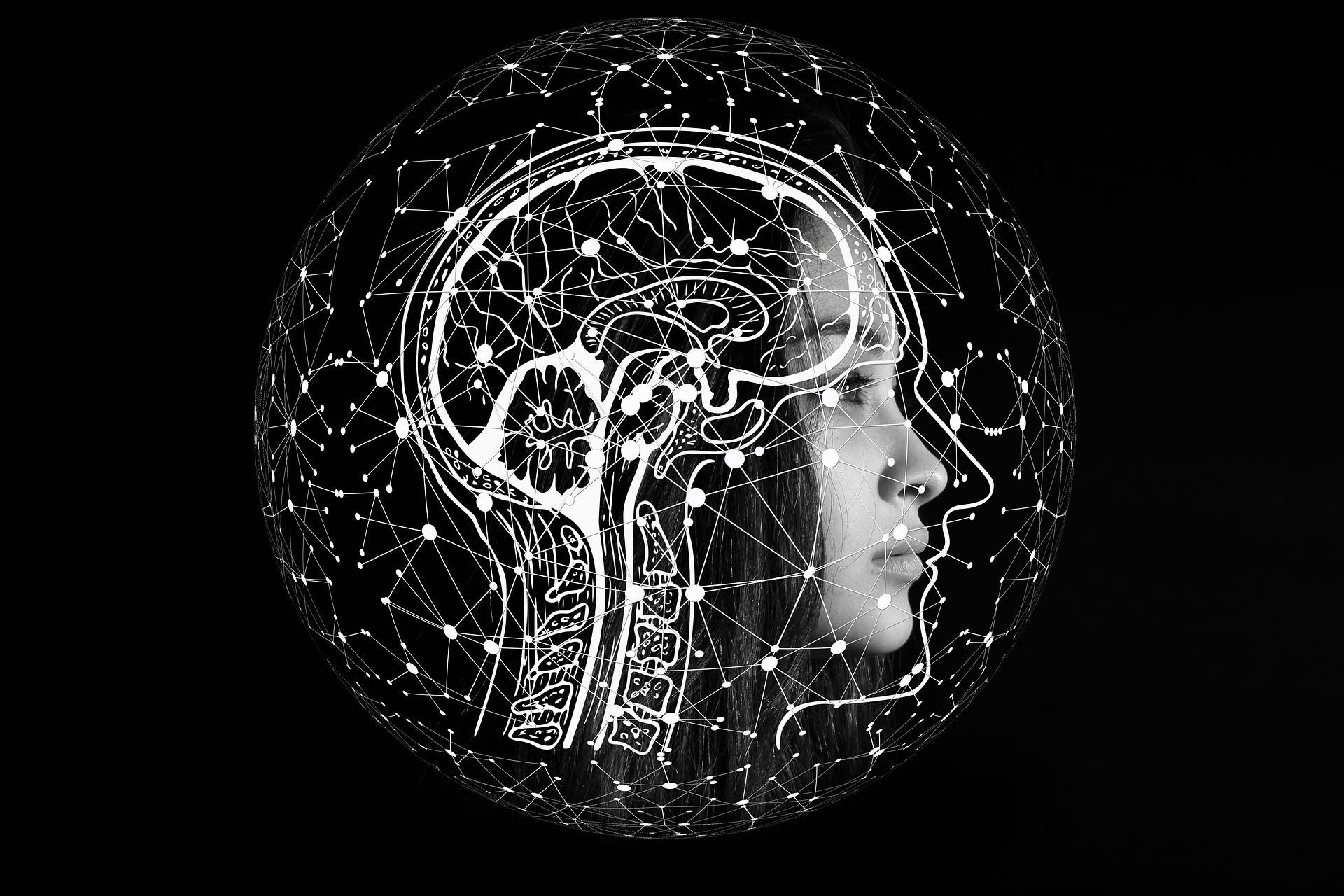
Brain-Computer Interfaces: Privacy and Ethical Considerations for the Connected Mind
BCIs are computer-based systems that directly record, process, analyze, or modulate human brain activity in the form of neurodata that is then translated into an output command from human to machine. Neurodata is data generated by the nervous system, composed of the electrical activities between neurons or proxies of this activity. When neurodata is linked, or reasonably linkable, to an individual, it is personal neurodata.