
Privacy Enhancing Technologies (PETs) are crucial for safeguarding individual privacy while enabling socially beneficial research, data sharing, and advancements in sectors that collect or use sensitive data. As AI systems increasingly rely on vast amounts of data, PETs like differential privacy, homomorphic encryption, federated learning, zero-knowledge proofs, and even model contract clauses can help ensure that personal data remains confidential and secure. This is vital not only for protecting individual rights but also for earning and maintaining public trust in technologies that use data about people.
Ethically implementing PETs is also essential. PETs must be designed and deployed to protect marginalized groups and avoid practices that may appear to be privacy-preserving, but actually exploit sensitive data or undermine privacy. In addition, clear policy guidelines on the deployment of PETs are necessary to help make sound business cases for their use in industry. If PETs are ethically integrated into research and business practices, and if global regulators have an opportunity to support their appropriate deployment, there is enormous potential for increasing technological innovation and societal benefits while upholding privacy and public trust.
FPF supports the development of PETs, convenes experts from around the world to deploy best practices, and provides in-depth analysis of emerging technologies and their policy implications. FPF also leads the National Science Foundation and Department of Energy-funded Research Coordination Network for the use of PETs to advance socially beneficial data sharing and protect people’s privacy as data is increasingly used to train AI models. FPF also facilitates a Global PETs Network of regulators who are interested in the lawful and ethical implementation of these tools.







FPF Releases Updated Infographic on Age Assurance Technologies, Emerging Standards, and Risk Management
The Future of Privacy Forum is releasing an updated version of its Age Assurance: Technologies and Tradeoffs infographic, reflecting how rapidly the technical and policy landscape has evolved over the past year. As lawmakers, platforms, and regulators increasingly converge on age assurance as a governance tool, the updated infographic sharpens the focus on proportionality, privacy […]

FPF Year in Review 2025
Co-authored by FPF Communications Intern Celeste Valentino with contributions from FPF Global Communications Manager Joana Bala This year, FPF continued to broaden its footprint across priority areas of data governance, further expanding activities across a range of cross-sector topics, including AI, Youth, Conflict of Laws, AgeTech (seniors), and Cyber-Security. We have engaged extensively at the local […]

FPF Experts Take The Stage at the 2025 IAPP Global Privacy Summit
By FPF Communications Intern Celeste Valentino Earlier this month, FPF participated at the IAPP’s annual Global Privacy Summit (GPS) at the Convention Center in Washington, D.C. The Summit convened top privacy professionals for a week of expert workshops, engaging panel discussions, and exciting networking opportunities on issues ranging from understanding U.S. state and global privacy […]

FPF’s Year in Review 2024
With contributions from Judy Wang, Communications Intern 2024 was a landmark year for the Future of Privacy Forum, as we continued to grow our privacy leadership through research and analysis, domestic and global meetings, expert testimony, and more – all while commemorating our 15th anniversary. Expanding our AI Footprint While 2023 was the year of […]

FPF in 2022: A Year in Review
As 2022 comes to an end, we wanted to reflect on a year that saw the Future of Privacy Forum (FPF) expand its presence both domestically and around the globe, while producing engaging events, thought-provoking analysis, and insightful publications. Global Expansion In 2022, FPF closely followed and advised upon significant developments in Asia, the European […]

Understanding Extended Reality Technology & Data Flows: Privacy and Data Protection Risks and Mitigation Strategies
This post is the second in a two-part series. Click here for FPF’s XR infographic. The first post in this series focuses on the key functions that XR devices may feature, and analyzes the kinds of sensors, data types, data processing, and transfers to other parties that power these functions. I. Introduction Today’s virtual (VR), […]

FPF at CPDP 2022: Panels and Side Events
As the annual Computers, Privacy and Data Protection (CPDP) conference took place in Brussels between May 23 and 25, several Future of Privacy Forum (FPF) staff took part in different panels and events organized by FPF or other organizations before and during the conference. In this blogpost, we provide an overview of such events, with […]

FPF in 2020: Adjusting to the Unexpected
With 2020 fast coming to a close, we wanted to take a moment to reflect on a year that forced us to re-focus our priorities, along with much of our lives, while continuing to produce engaging events, thought-provoking analysis, and insightful reports. Considering Privacy & Ethics at the Dawn of a New Decade Early in […]
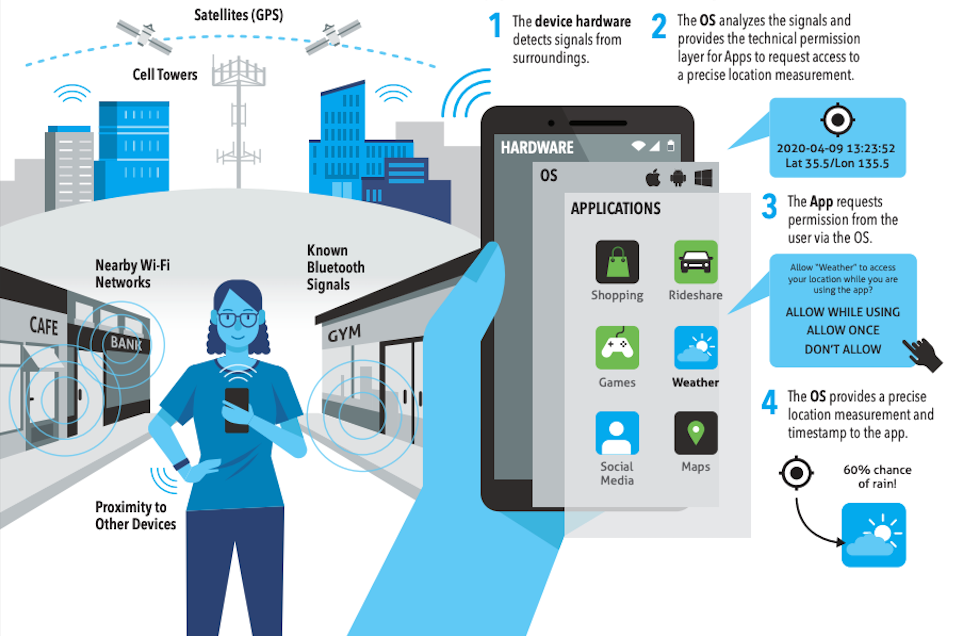
Understanding the "World of Geolocation Data"
How is location data generated from mobile devices, who gets access to it, and how? As debates over companies and public health authorities using device data to address the current global pandemic continue, it is more important than ever for policymakers and regulators to understand the practical basics of how mobile operating systems work, how […]
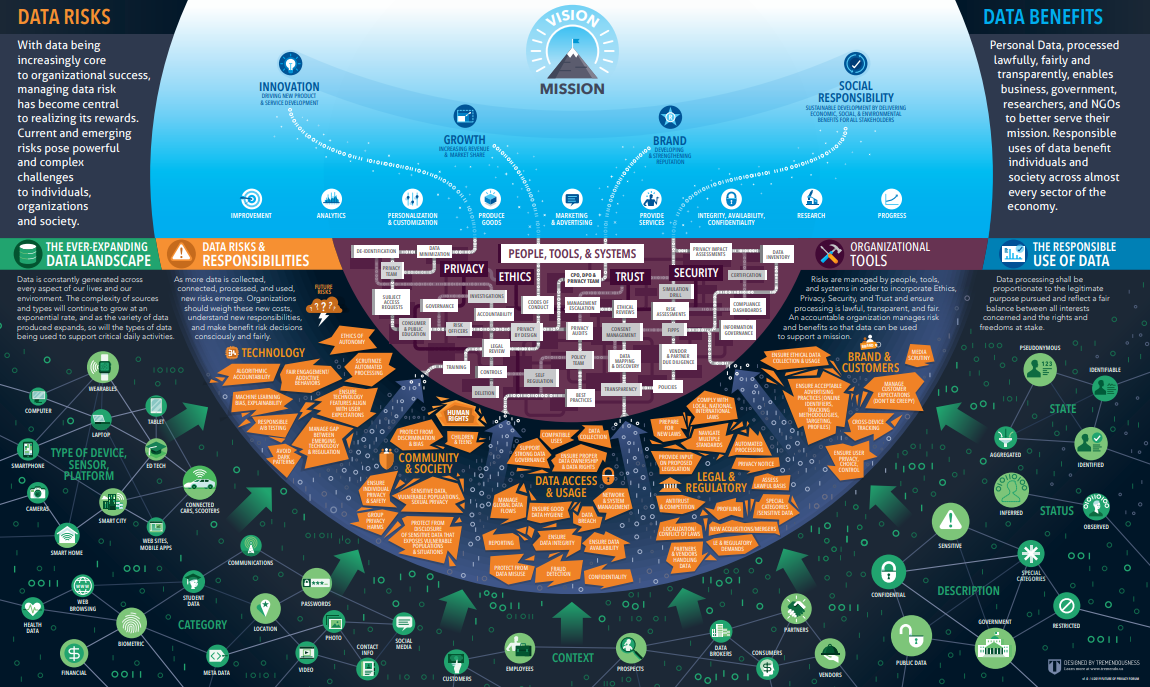
Privacy 2020: 10 Privacy Risks and 10 Privacy Enhancing Technologies to Watch in the Next Decade
Today, FPF is publishing a white paper co-authored by CEO Jules Polonetsky and hackylawyER Founder Elizabeth Renieris to help corporate officers, nonprofit leaders, and policymakers better understand privacy risks that will grow in prominence during the 2020s, as well as rising technologies that will be used to help manage privacy through the decade. Leaders must understand […]