
Privacy Enhancing Technologies (PETs) are crucial for safeguarding individual privacy while enabling socially beneficial research, data sharing, and advancements in sectors that collect or use sensitive data. As AI systems increasingly rely on vast amounts of data, PETs like differential privacy, homomorphic encryption, federated learning, zero-knowledge proofs, and even model contract clauses can help ensure that personal data remains confidential and secure. This is vital not only for protecting individual rights but also for earning and maintaining public trust in technologies that use data about people.
Ethically implementing PETs is also essential. PETs must be designed and deployed to protect marginalized groups and avoid practices that may appear to be privacy-preserving, but actually exploit sensitive data or undermine privacy. In addition, clear policy guidelines on the deployment of PETs are necessary to help make sound business cases for their use in industry. If PETs are ethically integrated into research and business practices, and if global regulators have an opportunity to support their appropriate deployment, there is enormous potential for increasing technological innovation and societal benefits while upholding privacy and public trust.
FPF supports the development of PETs, convenes experts from around the world to deploy best practices, and provides in-depth analysis of emerging technologies and their policy implications. FPF also leads the National Science Foundation and Department of Energy-funded Research Coordination Network for the use of PETs to advance socially beneficial data sharing and protect people’s privacy as data is increasingly used to train AI models. FPF also facilitates a Global PETs Network of regulators who are interested in the lawful and ethical implementation of these tools.







Africa’s Data Protection Reforms: A Continental Perspective on the Drivers of Change in Legal Frameworks
1. Introduction Within an evolving digital landscape, several African jurisdictions have proposed a variety of reforms to existing and novel legal frameworks that regulate the processing of personal data, and the development and deployment of new technologies. Across the continent, there is a growing consensus among legislators on the need to create a regulatory environment […]

FPF Year in Review 2025
Co-authored by FPF Communications Intern Celeste Valentino with contributions from FPF Global Communications Manager Joana Bala This year, FPF continued to broaden its footprint across priority areas of data governance, further expanding activities across a range of cross-sector topics, including AI, Youth, Conflict of Laws, AgeTech (seniors), and Cyber-Security. We have engaged extensively at the local […]

FPF Releases Report on the Adoption of Privacy Enhancing Technologies by State Education Agencies
The Future of Privacy Forum (FPF) released a landscape analysis of the adoption of Privacy Enhancing Technologies (PETs) by State Education Agencies (SEAs). As agencies face increasing pressure to leverage sensitive student and institutional data for analysis and research, PETs offer a unique potential solution as they are advanced technologies designed to protect data privacy […]

FPF’s Year in Review 2024
With contributions from Judy Wang, Communications Intern 2024 was a landmark year for the Future of Privacy Forum, as we continued to grow our privacy leadership through research and analysis, domestic and global meetings, expert testimony, and more – all while commemorating our 15th anniversary. Expanding our AI Footprint While 2023 was the year of […]
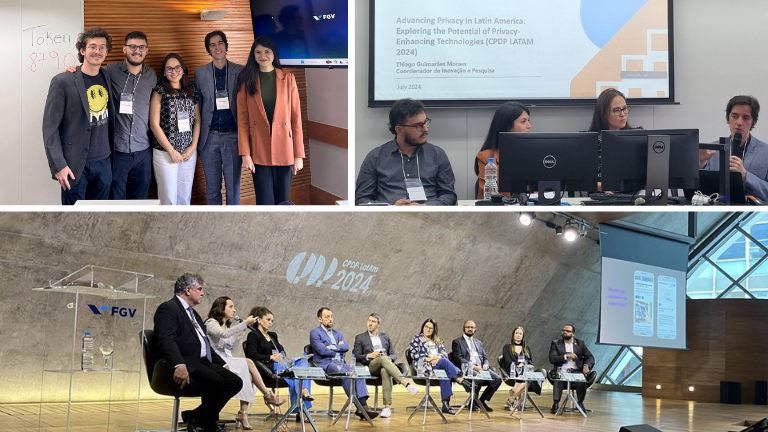
CPDP LatAm 2024: What is Top of Mind in Latin American Data Protection and Privacy? From data sovereignty, to PETs
On July 17-18, the fourth edition of the Computers, Privacy, and Data Protection Conference Latin America (CPDP LatAm) was held in Rio de Janeiro, Brazil. This year’s theme was on “Data Governance: From Latin America to the G20,” highlighting Brazil’s current presidency of the international cooperation forum. As in previous years, FPF participated on the […]
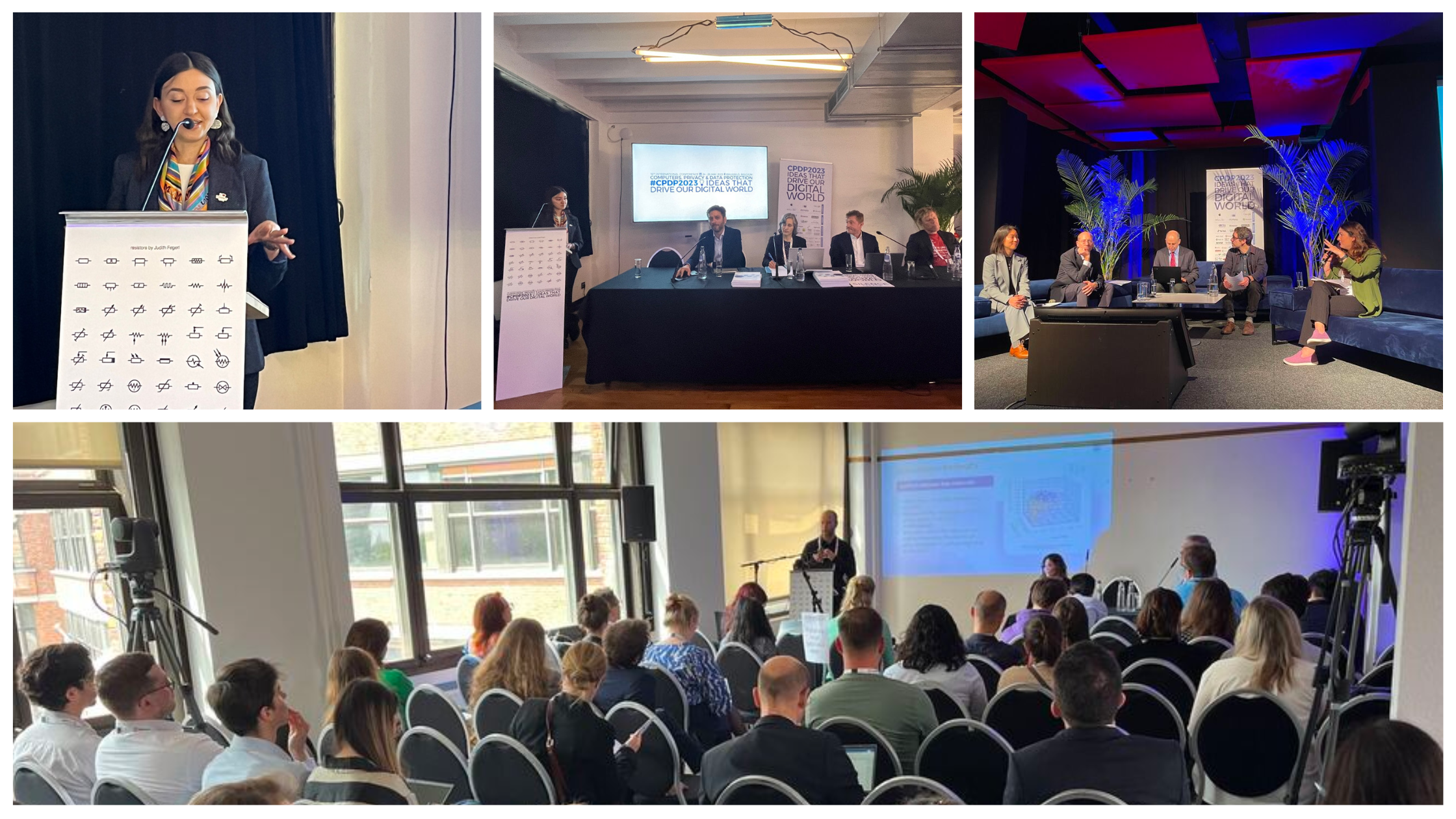
FPF at CPDP 2023: Covering Hot Topics, from Data Protection by Design and by Default, to International Data Transfers and Machine Learning
At this year’s annual Computers, Privacy and Data Protection (CPDP) conference in Brussels, several Future of Privacy Forum (FPF) staff took part in different panels, organized by FPF, as well as academic, industry, and civil society groups. This blogpost provides a brief overview of these exciting events, and CPDP will publish recordings of them shortly. […]

FPF in 2022: A Year in Review
As 2022 comes to an end, we wanted to reflect on a year that saw the Future of Privacy Forum (FPF) expand its presence both domestically and around the globe, while producing engaging events, thought-provoking analysis, and insightful publications. Global Expansion In 2022, FPF closely followed and advised upon significant developments in Asia, the European […]

Future of Privacy Forum and Israel Tech Policy Institute Cyber Week Delegation, 2022
Last week, The Future of Privacy Forum’s (FPF) Israel Tech Policy Institute (ITPI) welcomed a delegation of trailblazing privacy professionals from around the world to participate in Tel Aviv University’s Cyber Week conference and to meet with start-ups, regulators, and academics. The week started with an illuminating tour of the Peres Center for Peace & […]
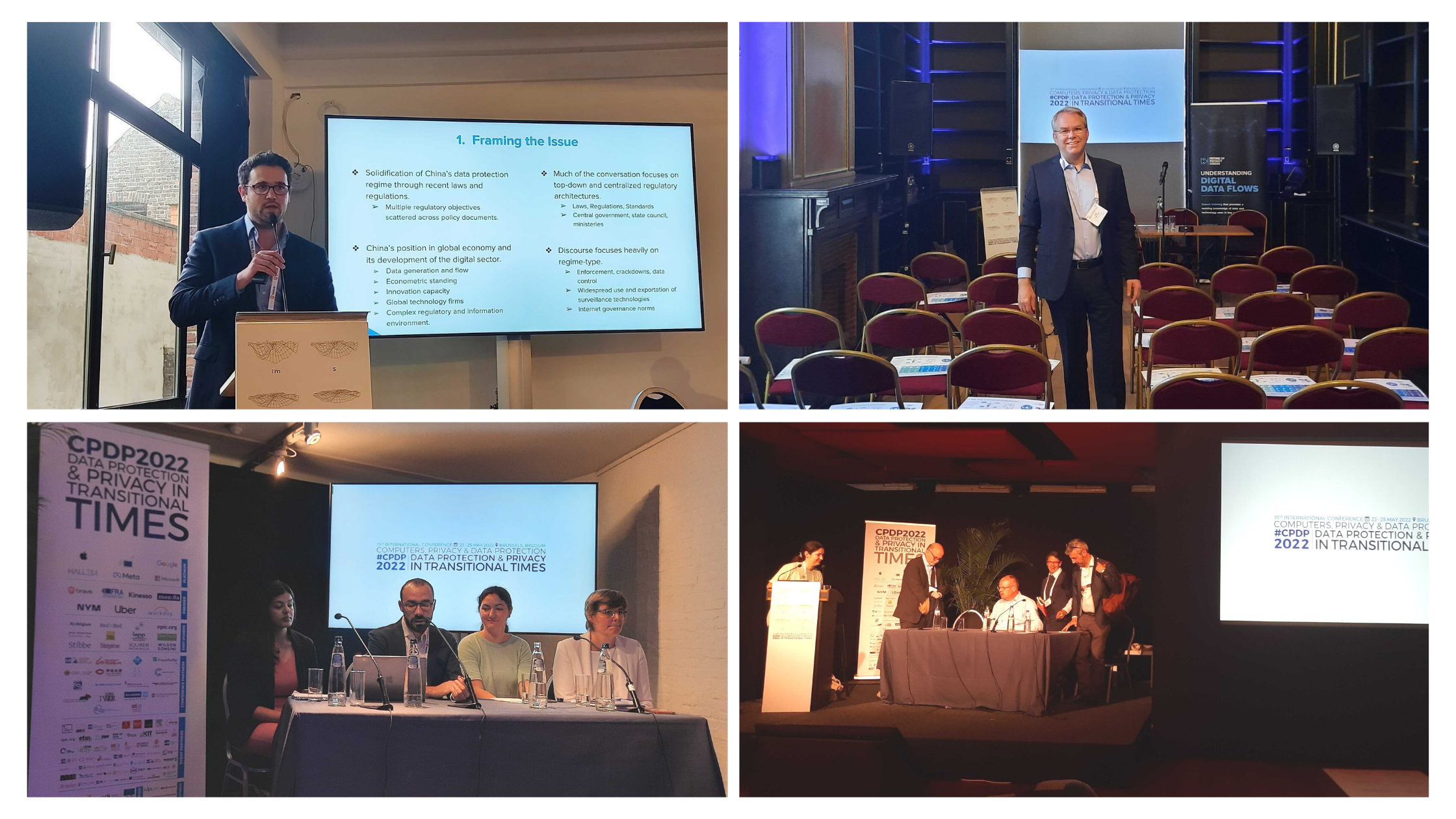
FPF at CPDP 2022: Panels and Side Events
As the annual Computers, Privacy and Data Protection (CPDP) conference took place in Brussels between May 23 and 25, several Future of Privacy Forum (FPF) staff took part in different panels and events organized by FPF or other organizations before and during the conference. In this blogpost, we provide an overview of such events, with […]

FPF Health and AI & Ethics Policy Counsels Present a Scientific Position at ICML 2020 and at 2020 CCSQ World Usability Day
On November 12, 2020, FPF Policy Counsels Drs. Rachele Hendricks-Sturrup and Sara Jordan presented privacy-by-design alongside human-centered design concepts during the 2020 CCSQ World Usability Day virtual conference. This presentation followed Drs. Hendricks-Sturrup’s and Jordan’s July 2020 scientific position paper presented at the International Conference on Machine Learning (ICML) 2020, entitled “Patient- Reported Outcomes: A Privacy-Centric and Federated Approach […]