
Connected technologies and always-on data flows are helping make today’s cities and communities more livable, productive, and sustainable. At the same time, these technologies raise concerns about individual privacy, freedom of choice, and institutional discrimination. How do we leverage the benefits of a data-rich society while giving members of our community the confidence of knowing their privacy is protected? How can we address pressing local problems — from housing to highways, potholes to policing — and deliver public services in equitable, privacy-conscious ways?
Working collaboratively with public, private, academic, and civil society leaders, FPF builds tools and best practices to guide how cities and local communities collect, manage, and use personal data to improve services for individuals. A cornerstone of this work is FPF’s Civic Privacy Leaders Network, a peer network supported by the National Science Foundation that brings together privacy leaders from 30+ local governments across the U.S. and Canada to navigate emerging privacy issues, share practical guidance, and promote fair and transparent data practices.
Visit the Smart Communities Resources web page for a comprehensive list of FPF’s ongoing work in this area.





Five Top of Mind Data Protection Recommendations for Brain-Computer Interfaces
By Jeremy Greenberg, [email protected] and Katelyn Ringrose [email protected]. Key FPF-curated background resources – policy & regulatory documents, academic papers, and technical analyses regarding brain-computer interfaces are available here. Recently, Elon Musk livestreamed an update for Neuralink—his startup centered around creating brain-computer interfaces (BCIs). BCIs are an umbrella term for devices that detect, amplify, and translate […]

What is 5G Cell Technology? How Will It Affect Me?
The leap from 3G to 4G technology brought with it faster data transfer speeds, which supported widespread adoption of data cloud and streaming services, video conferencing, and Internet of Things devices such as digital home assistants and smartwatches. 5G technology has the potential to enable another wave of smart devices: always connected and always communicating to provide faster, more personalized services.

Privacy in Higher Education: A Conversation with Sara Collins
Innovation in higher education is increasingly fueled by data. From financial aid applications, to online classes, to student success initiatives, college students provide an extraordinary amount of data to schools, companies, and the government. This data provides unprecedented insights into student behavior, and colleges are using it to shape curricula, processes, and services to meet […]

Limor Shmerling Magazanik Joins Israel Tech Policy Institute as Managing Director and Future of Privacy Forum as Senior Fellow
Washington, DC – November 20, 2018 – The Israel Tech Policy Institute and Future of Privacy Forum today announced Limor Shmerling Magazanik as ITPI Managing Director and FPF Senior Fellow. In this role, Magazanik will provide leadership on day-to-day operational matters of ITPI, including directing ITPI’s policy agenda; engaging policymakers, regulators, academics, and business leaders; convening multi stakeholder groups for discussion; and overseeing communications with the public and the advisory board.

Seeing the Big Picture on Smart TVs and Smart Home Tech
CES 2018 brought to light many exciting advancements in consumer technologies. Without a doubt, Smart TVs, Smart Homes, and voice assistants were dominant: LG has a TV that rolls up like a poster; Philips introduced a Google Assistant-enabled TV is designed for the kitchen; and Samsung revealed its new line of refrigerators, TVs, and other home devices powered by Bixby, their intelligent voice assistant.

Upcoming Future of Privacy Forum Events
In the coming months, FPF will be hosting or co-hosting a number of events. We welcome your attendance and participation. Please contact us at [email protected] for further information.
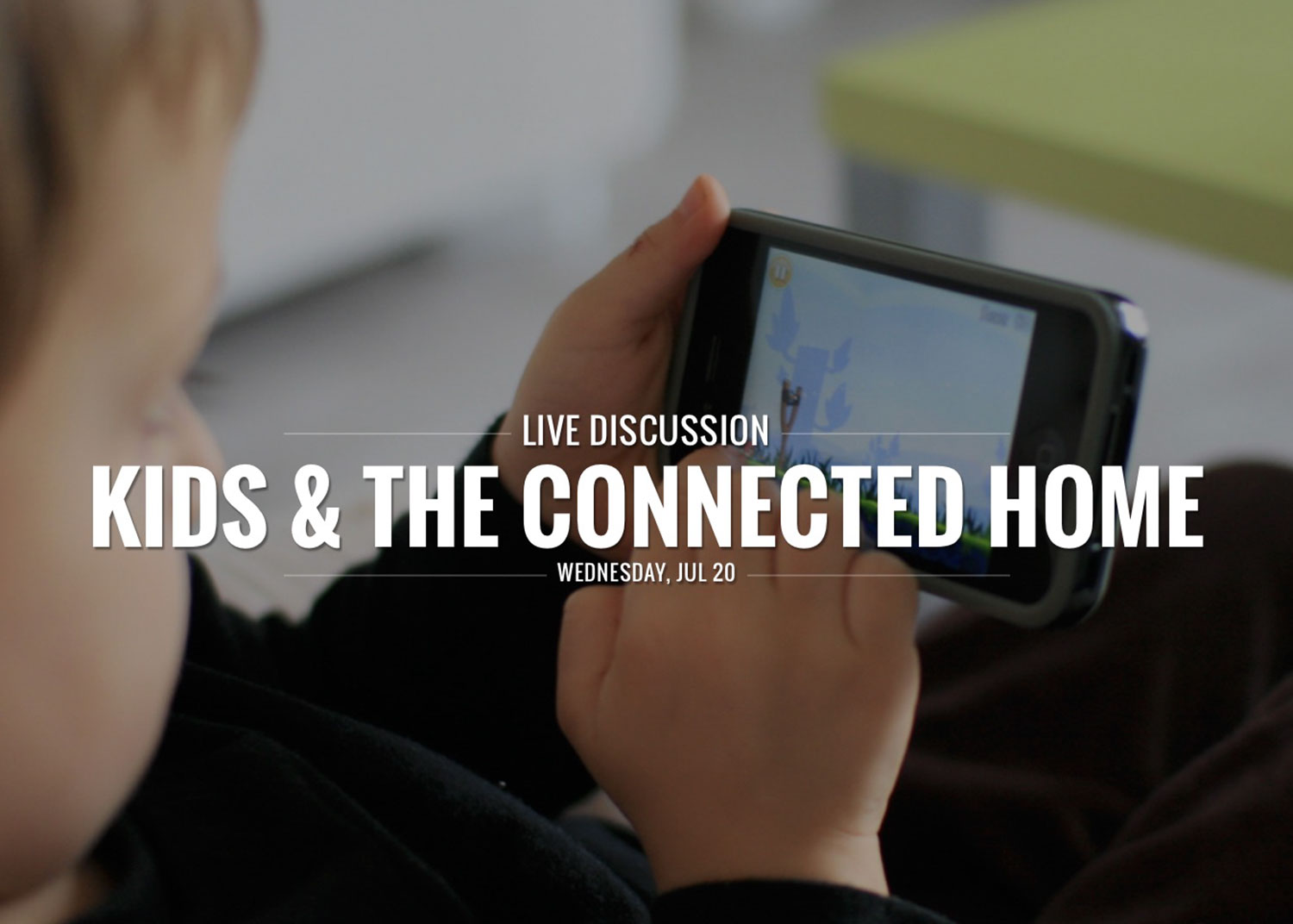
July 20th Event: Kids & The Connected Home
The debate over the relationship between children and technology has been heated and complex. Issues ranging from the right amount of screen time, online privacy, safety and security have occupied policymakers, parents, and advocates for quite some time.

Protecting privacy and promoting inclusion with the 'Internet of Things'
To technologists and innovators, the “Internet of Things” (IoT) represents a world of exciting new benefits that will solve important technical and social problems. To critics, IoT represents a world of pervasive surveillance, with toys that spy on kids and microphone-enabled devices recording and retaining our most personal data.

Department of Commerce Director of Privacy Initiatives Joins the Future of Privacy Forum
Washington, DC – Today, the Future of Privacy Forum (FPF) announced that John Verdi will join the organization as Vice President of Policy to lead the development of its rapidly growing privacy policy portfolio. Verdi will be responsible for furthering FPF’s efforts to advance responsible privacy practices.
Moving the Internet of Things Forward Without Hard Numbers on Risks
Today’s release of the FTC’s long-awaited report on the Internet of Things concludes that connected devices are “likely to meld the virtual and physical worlds together in ways that are currently difficult to comprehend.” It’s this great unknown where it seems many of the revolutionary benefits and more abstract risks from connectivity lie. While the […]