
Connected technologies and always-on data flows are helping make today’s cities and communities more livable, productive, and sustainable. At the same time, these technologies raise concerns about individual privacy, freedom of choice, and institutional discrimination. How do we leverage the benefits of a data-rich society while giving members of our community the confidence of knowing their privacy is protected? How can we address pressing local problems — from housing to highways, potholes to policing — and deliver public services in equitable, privacy-conscious ways?
Working collaboratively with public, private, academic, and civil society leaders, FPF builds tools and best practices to guide how cities and local communities collect, manage, and use personal data to improve services for individuals. A cornerstone of this work is FPF’s Civic Privacy Leaders Network, a peer network supported by the National Science Foundation that brings together privacy leaders from 30+ local governments across the U.S. and Canada to navigate emerging privacy issues, share practical guidance, and promote fair and transparent data practices.
Visit the Smart Communities Resources web page for a comprehensive list of FPF’s ongoing work in this area.



FPF at CPDP 2022: Panels and Side Events
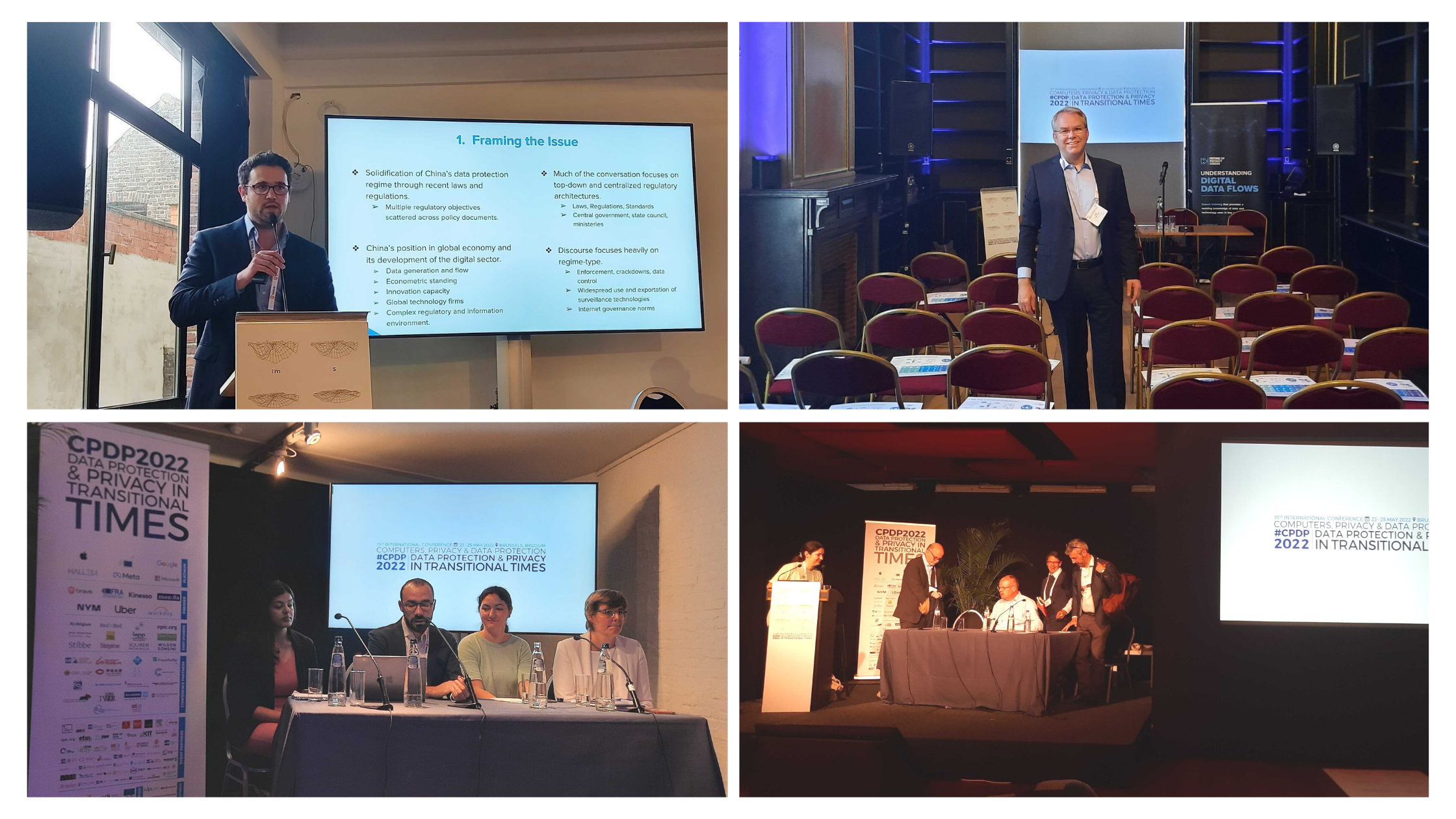
As the annual Computers, Privacy and Data Protection (CPDP) conference took place in Brussels between May 23 and 25, several Future of Privacy Forum (FPF) staff took part in different panels and events organized by FPF or other organizations before and during the conference. In this blogpost, we provide an overview of such events, with […]
FPF Launches Infographics in Chinese
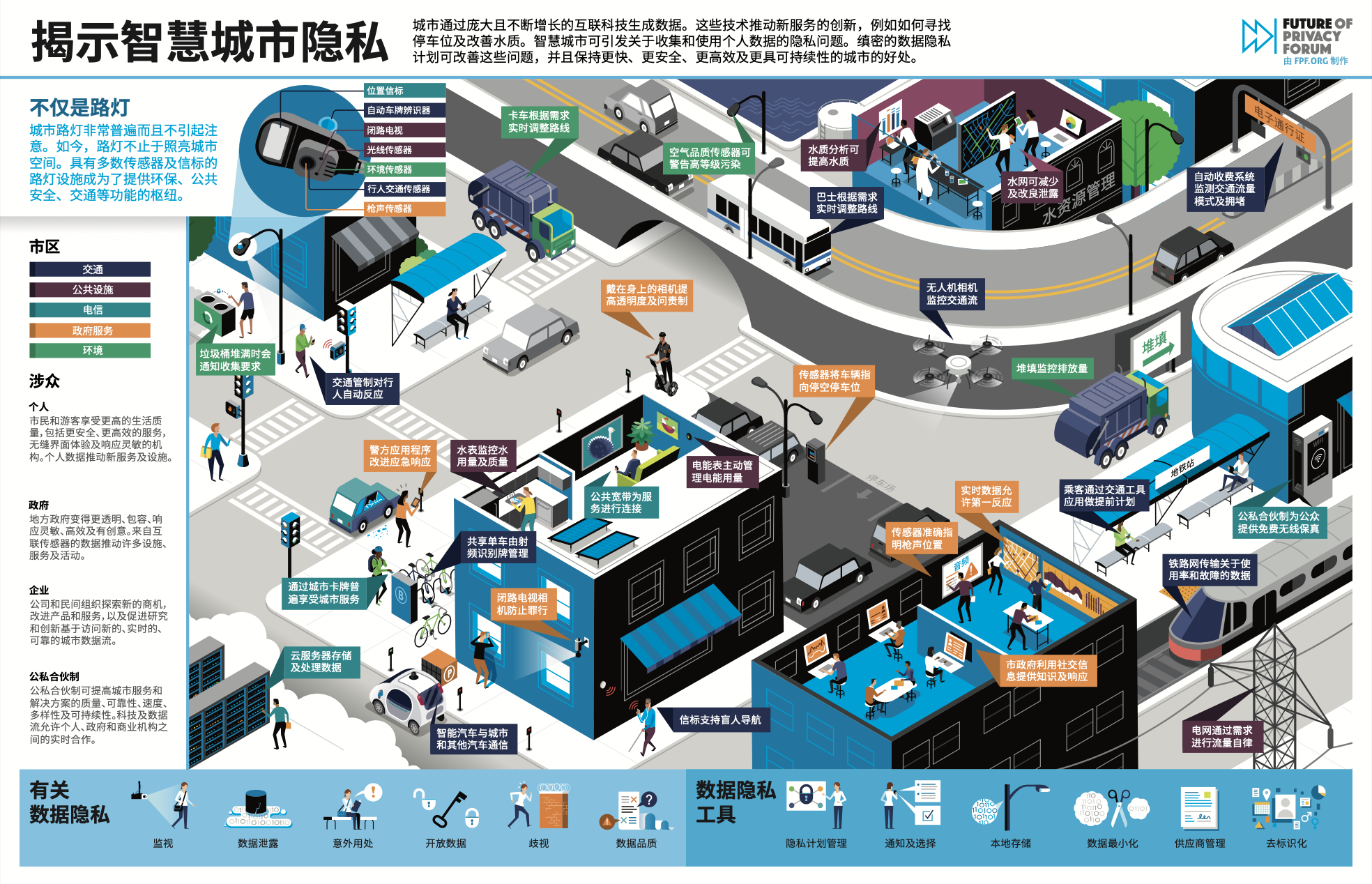
As FPF’s work expands to include an international audience, we are pleased to relaunch FPF’s popular infographics in various languages. Because conversations around data protection have become more global, the need for high-quality information and new forms of communication in different languages continues to increase. The infographics translation project aims to help FPF provide a […]

Sidewalk Labs Releases Detailed Plans for Collaboration with City of Toronto on Quayside Smart City Project, Including Proposed Privacy and Data Protection Framework
By: Suzie Allen Experts Highlight Data Protection Safeguards, Opportunities, and Risks “Master Innovation and Development Plan” will be Vetted by City Residents, Officials Last week, Sidewalk Labs unveiled its proposed “Master Innovation and Development Plan” (MIDP) for Sidewalk Toronto, a project that would design a smart city district in Toronto’s Eastern Waterfront. The proposal will […]

FPF Comments on the Washington Privacy Act, SB 5376
Today, the Future of Privacy Forum submitted comments to the Washington State Senate Ways & Means Committee on the proposed Washington Privacy Act, Senate Bill 5376. FPF takes a “neutral” position regarding the Bill, and makes a few important points. FPF commends the Bill’s sponsors for addressing a broad set of individual data protection rights. […]

Smart Communities: A Conversation with Kelsey Finch
One of FPF Policy Counsel Kelsey Finch’s areas of focus is Smart Communities, a field which draws from many of FPF’s issue areas. From her Seattle office, she has the opportunity to do hands-on work with cities in the Pacific Northwest. Last year, she worked with city officials on Seattle’s first Open Data Risk Assessment, […]
If You Can't Take the Heat Map: Benefits & Risks of Releasing Location Datasets
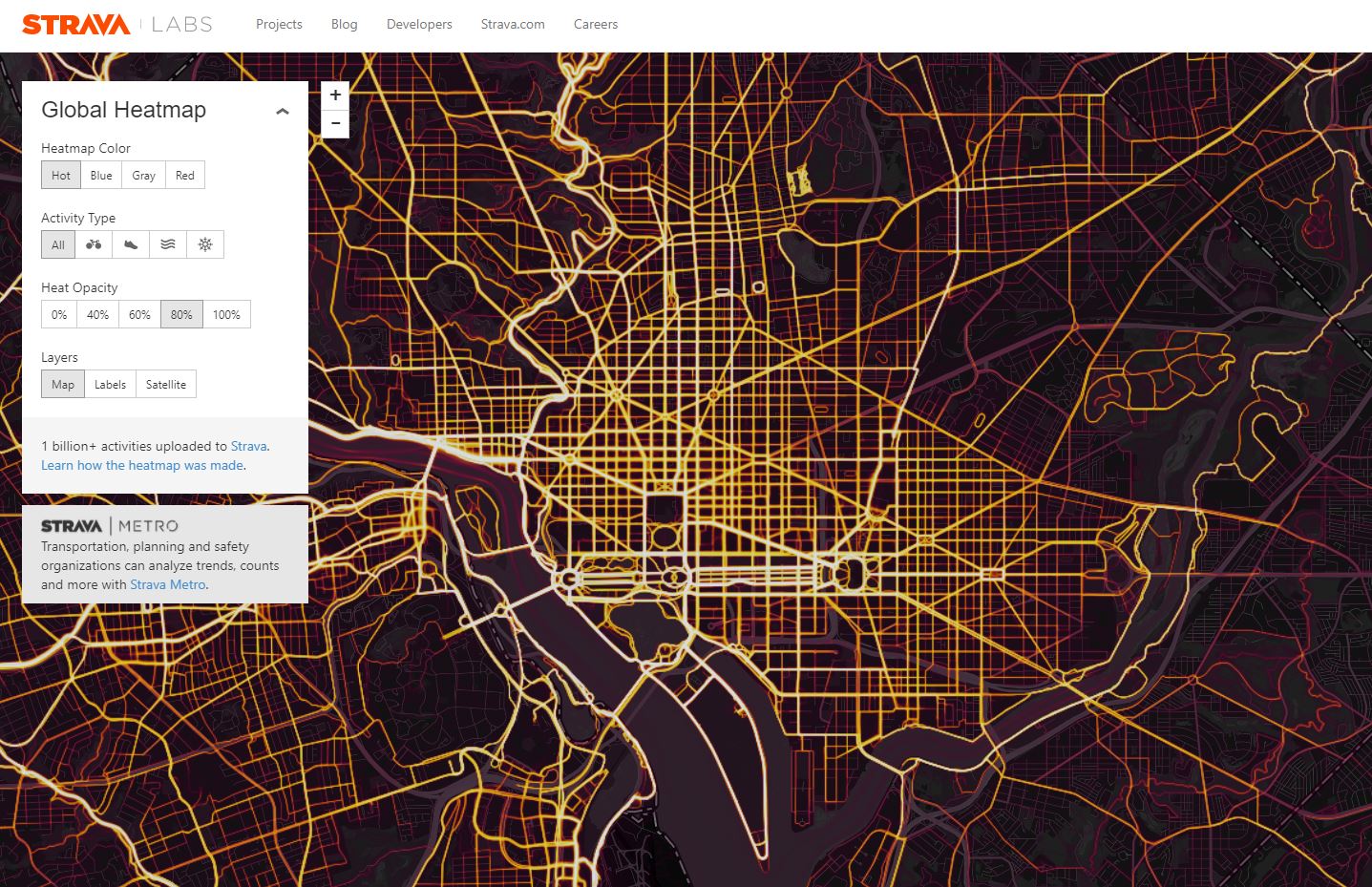
Strava’s location data controversy demonstrates the unique challenges of publicly releasing location datasets (open data), even when the data is aggregated.
FPF Publishes Model Open Data Benefit-Risk Analysis
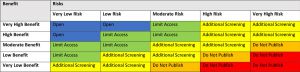
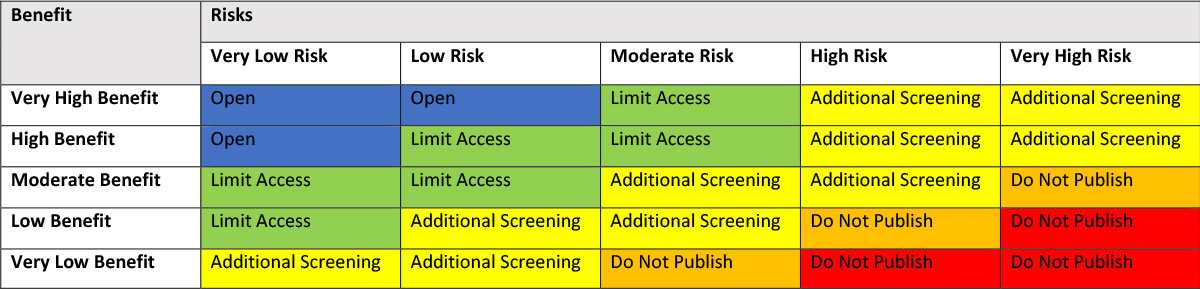
This Report first describes inherent privacy risks in an open data landscape, with an emphasis on potential harms related to re-identification, data quality, and fairness. To address these risks, the Report includes a Model Open Data Benefit-Risk Analysis (“Model Analysis”). The Model Analysis evaluates the types of data contained in a proposed open dataset, the potential benefits – and concomitant risks – of releasing the dataset publicly, and strategies for effective de-identification and risk mitigation.

New Future of Privacy Forum Study Finds the City of Seattle’s Open Data Program a National Leader in Privacy Program Management
Today, the Future of Privacy Forum released its City of Seattle Open Data Risk Assessment. The Assessment provides tools and guidance to the City of Seattle and other municipalities navigating the complex policy, operational, technical, organizational, and ethical standards that support privacy-protective open data programs.
Examining the Open Data Movement
The transparency goals of the open data movement serve important social, economic, and democratic functions in cities like Seattle. At the same time, some municipal datasets about the city and its citizens’ activities carry inherent risks to individual privacy when shared publicly. In 2016, the City of Seattle declared in its Open Data Policy that the city’s data would be “open by preference,” except when doing so may affect individual privacy.[1] To ensure its Open Data Program effectively protects individuals, Seattle committed to performing an annual risk assessment and tasked the Future of Privacy Forum (FPF) with creating and deploying an initial privacy risk assessment methodology for open data.
Shedding Light on Smart City Privacy
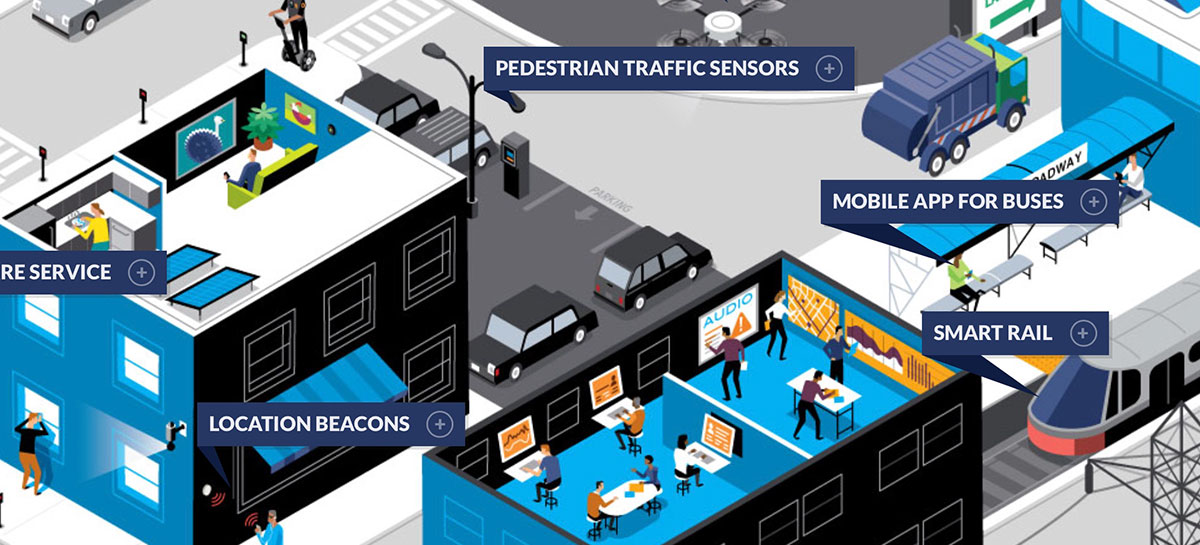
Today, the Future of Privacy Forum is releasing a new tool for municipal and technology leaders: a visual guide “Shedding Light on Smart City Privacy.” This tool will help citizens, companies, and communities understand the technologies at the heart of smart city and smart community projects – and their potential impact on privacy.