
Connected technologies and always-on data flows are helping make today’s cities and communities more livable, productive, and sustainable. At the same time, these technologies raise concerns about individual privacy, freedom of choice, and institutional discrimination. How do we leverage the benefits of a data-rich society while giving members of our community the confidence of knowing their privacy is protected? How can we address pressing local problems — from housing to highways, potholes to policing — and deliver public services in equitable, privacy-conscious ways?
Working collaboratively with public, private, academic, and civil society leaders, FPF builds tools and best practices to guide how cities and local communities collect, manage, and use personal data to improve services for individuals. A cornerstone of this work is FPF’s Civic Privacy Leaders Network, a peer network supported by the National Science Foundation that brings together privacy leaders from 30+ local governments across the U.S. and Canada to navigate emerging privacy issues, share practical guidance, and promote fair and transparent data practices.
Visit the Smart Communities Resources web page for a comprehensive list of FPF’s ongoing work in this area.




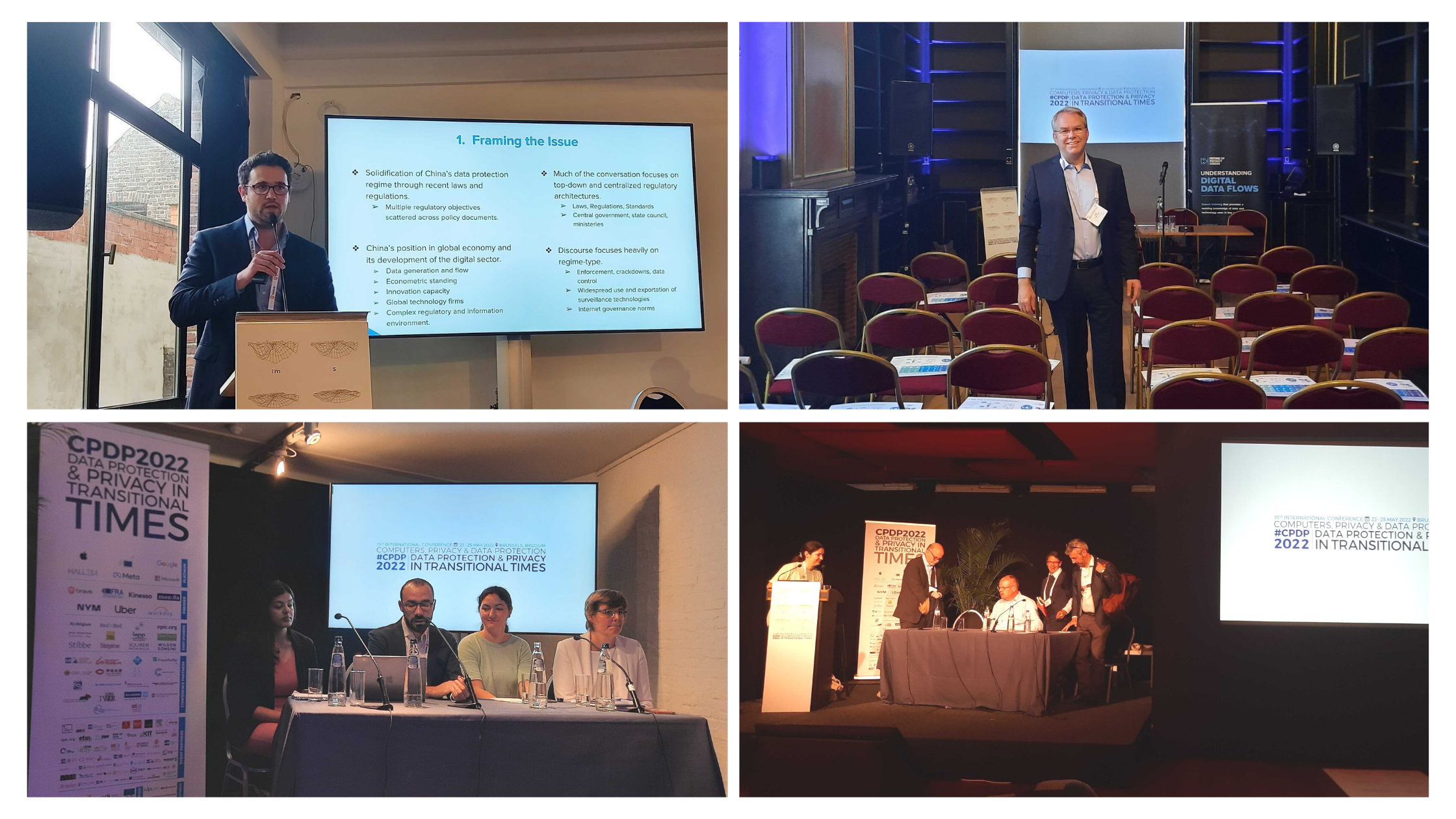
FPF at CPDP 2022: Panels and Side Events
As the annual Computers, Privacy and Data Protection (CPDP) conference took place in Brussels between May 23 and 25, several Future of Privacy Forum (FPF) staff took part in different panels and events organized by FPF or other organizations before and during the conference. In this blogpost, we provide an overview of such events, with […]

Five Top of Mind Data Protection Recommendations for Brain-Computer Interfaces
By Jeremy Greenberg, [email protected] and Katelyn Ringrose [email protected]. Key FPF-curated background resources – policy & regulatory documents, academic papers, and technical analyses regarding brain-computer interfaces are available here. Recently, Elon Musk livestreamed an update for Neuralink—his startup centered around creating brain-computer interfaces (BCIs). BCIs are an umbrella term for devices that detect, amplify, and translate […]

A Conversation with Christopher Wolf, Founder of FPF
Christopher Wolf is the founder and Board President of the Future of Privacy Forum and a leading attorney in privacy and data protection. Chris helped break the path for privacy law and the modern Internet. He has had a hand in advising and shaping thinking on many leading-edge tech issues including Internet free speech, Internet […]
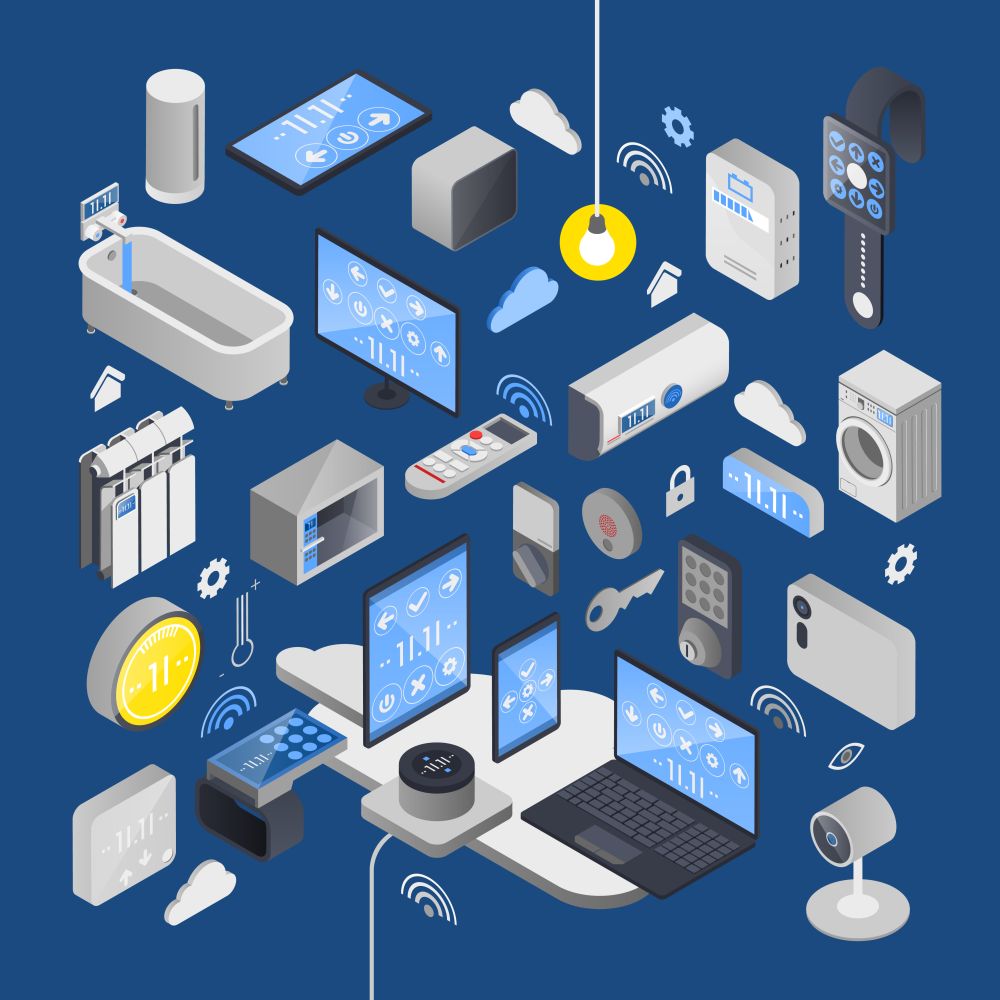
IoT Devices Should Deal with Privacy Impacts for People with Disabilities
FOR IMMEDIATE RELEASE January 31, 2019 IoT Devices Should Deal with Privacy Impacts for People with Disabilities FPF Recommends Approaches to Incorporate Privacy, Accessibility by Design WASHINGTON, DC – The Future of Privacy Forum today released The Internet of Things (IoT) and People with Disabilities: Exploring the Benefits, Challenges, and Privacy Tensions. This paper explores […]

Seeing the Big Picture on Smart TVs and Smart Home Tech
CES 2018 brought to light many exciting advancements in consumer technologies. Without a doubt, Smart TVs, Smart Homes, and voice assistants were dominant: LG has a TV that rolls up like a poster; Philips introduced a Google Assistant-enabled TV is designed for the kitchen; and Samsung revealed its new line of refrigerators, TVs, and other home devices powered by Bixby, their intelligent voice assistant.

The Future of Microphones in Connected Devices
Today, FPF released a new Infographic: Microphones & the Internet of Things: Understanding Uses of Audio Sensors in Connected Devices (read the Press Release here). From Amazon Echos to Smart TVs, we are seeing more home devices integrate microphones, often to provide a voice user interface powered by cloud-based speech recognition.

Protecting privacy and promoting inclusion with the 'Internet of Things'
To technologists and innovators, the “Internet of Things” (IoT) represents a world of exciting new benefits that will solve important technical and social problems. To critics, IoT represents a world of pervasive surveillance, with toys that spy on kids and microphone-enabled devices recording and retaining our most personal data.

A New “Must-Read” for Smart Grid Enthusiasts
This morning, I moderated a panel at the Computers Freedom and Privacy Conference entitled, “The Smart Grid: Can we be smart and private?” and focused on the privacy challenges and opportunities posed by the development of the smart grid. We at FPF have been working on smart grid issues for the last year and were […]
Right Now is the Time to Address Privacy Issues and the Smart Grid
Last week, two events generated press coverage about privacy advocates sounding the alarm about privacy and the smart grid. The California Public Utilities Commission (CPUC) held a smart grid hearing which included a focus on consumer privacy and the White House Office of Science and Technology Policy collected comments on the topic of who owns […]
SmartPrivacy for the Smart Grid: Embedding Privacy in the Design of Electricity Conservation
The Future of Privacy Forum, with Ontario Information and Privacy Commissioner Ann Cavoukian, released a white paper today entitled, “SmartPrivacy for the Smart Grid: Embedding Privacy in the Design of Electricity Conservation.” Click on the link below to view the paper. smartprivacy-for-the-smart-grid