
Healthcare technologies are rapidly evolving, producing new data types and innovative data uses. Data and technology can bring significant enhancements to the healthcare system, deepen patients’ and consumers’ engagement and understanding about their health, and be used as part of initiatives meant to improve health outcomes. It is critical to analyze how sensitive health and wellness data affect individual privacy and understand what it means for doctors, researchers, and companies to responsibly use such data. The FPF health team continues to build on its prior work on Consumer Wearables and Wellness Apps and Devices and Privacy Best Practices for Consumer Genetic Testing Services by exploring and addressing issues at the forefront and intersection of health, data, and privacy. Of main focus are the privacy challenges related to the collection, use, and sharing of both medical data and data that falls outside of the scope of HIPAA and FDA regulations. FPF brings together stakeholders to analyze how new technologies and data practices in the health ecosystem can impact individual privacy and promote the more effective and ethical use of data.




The Future of Privacy Forum and EY Examine Speech Recognition and Smart Devices in New Paper
Washington, DC – Today, the Future of Privacy Forum (FPF), in collaboration with Ernst & Young LLP, released Always On: Privacy Implications of Microphone-Enabled Devices, a new paper that explores how speech recognition technology fits into a broader scheme of “always listening” technologies. The paper identifies emerging practices by which manufacturers and developers can alleviate privacy concerns and build consumer trust in the ways that data is collected, stored, and analyzed.
CEA releases guiding privacy & security principles for wearable technologies
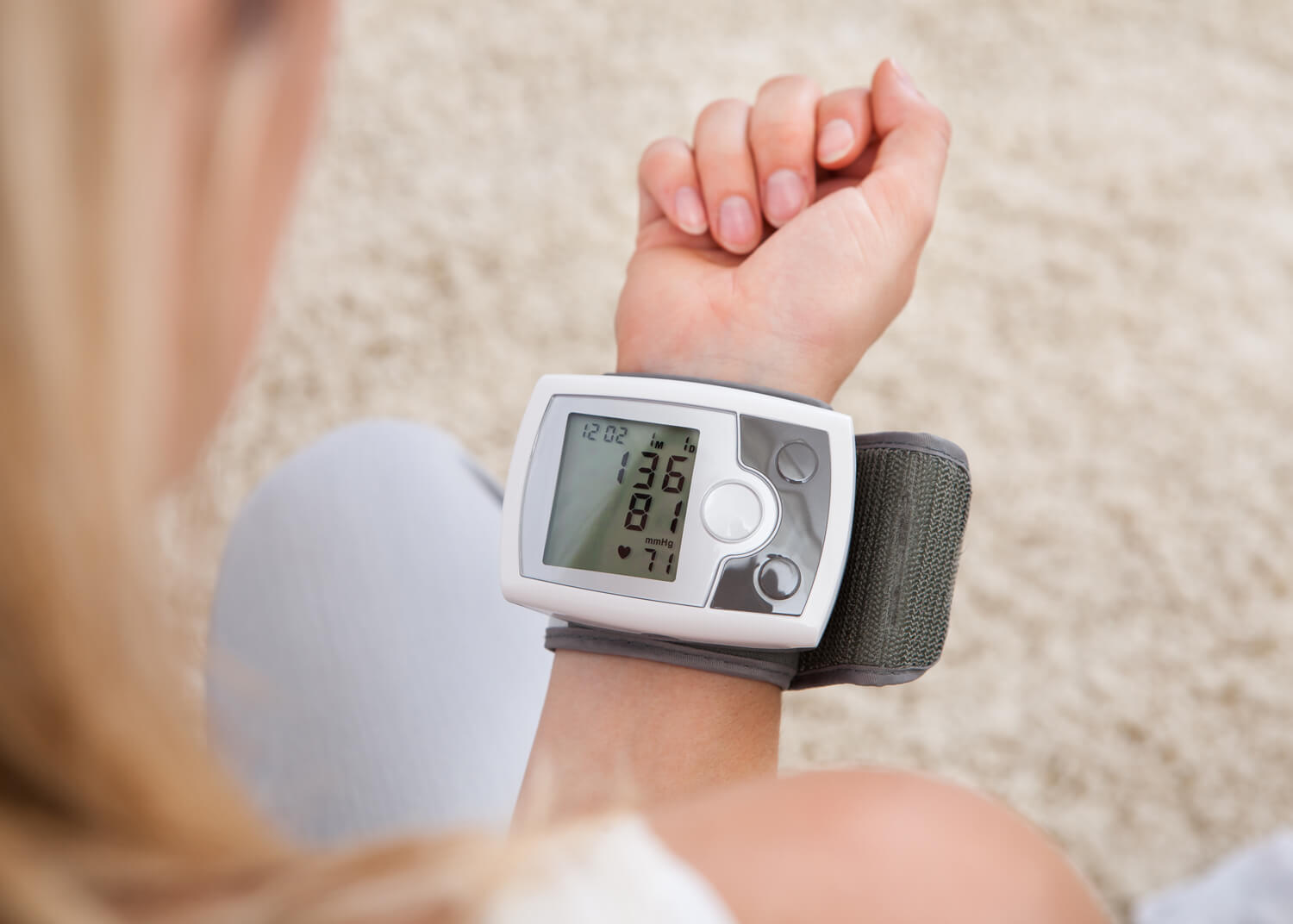
Yesterday, October 26th, the Consumer Electronics Association (CEA) announced voluntary guidelines for organizations that manage personal and health-related data, particularly as generated by consumer wearable technologies. This step illustrates CEA’s attempt to promote consumer trust in technology companies producing and supporting health trackers and other wearable technologies.
Altimeter Offers Up Privacy Lessons for IoT
A new report today from Altimeter explores what brands can learn about consumer privacy perceptions in the booming Internet of Things. The group warns of the “massive gulf between consumer awareness and industry practices when it comes to practice,” and suggests that companies could respond to consumer anxiety by pursing more trusted customer relationships. At […]
A Practical Privacy Paradigm for Wearables
A Practical Privacy Paradigm for Wearables is available to read here. * * * * * * Only a week into 2015, and already it looks to be the year of wearable technologies. At this year’s International Consumer Electronics Show (CES), wearables and the Internet of Things have dominated the conversations and the exhibition halls. […]
What consumers and companies can learn from 2014’s privacy breaches
Earlier this week, FPF’s Kelsey Finch spoke to Red Herring about 2015’s biggest challenges, and how enterprise and consumer technology can come together to combat privacy issues. Q: What have been 2014’s biggest privacy problems, in your opinion? Do you see them being fixed any time soon? A: Throughout 2014, we learned how vulnerable our personal […]
The Connected Car and Privacy: Navigating New Data Issues
Each model year brings cars that are getting smarter and more connected, offering new safety features and consumer conveniences. By the end of the decade, one in five vehicles on the road will be …
Public Perceptions on Privacy
Today’s new report by the Pew Research Center gives the lie to the notion that privacy is unimportant to the average American. Instead, the big take away is that individuals feel like they lack any control over their personal information. These feelings are directed at the public and private sector alike, and suggest a profound […]
Thoughts on the Data Innovation Pledge
Yesterday, as he accepted the IAPP Privacy Vanguard award, Intel’s David Hoffman made a “data innovation pledge” that he would work only to promote ethical and innovative uses of data. As someone who only relatively recently entered the privacy world by diving headfirst into the sea of challenges surrounding big data, I think an affirmative […]
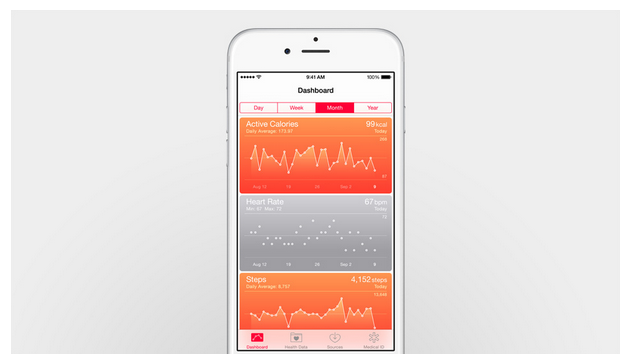
iOS 8 and Privacy: Major New Privacy Features
iOS 8 includes several new privacy features founded on Apple’s core privacy principles of consent, choice and transparency. With these principles in mind, Apple created and incorporated increasingly granular controls for location, opportunities for developers to communicate to users how and why they use data, and limits on how third parties can track your device. […]
Big Data: A Benefit and Risk Analysis
On September 11, 2014, FPF released a whitepaper we hope will help to frame the big data conversation moving forward and promote better understanding of how big data can shape our lives. Big Data: A Benefit and Risk Analysis provides a practical guide for how benefits can be assessed in the future, but they also show how […]