
Organizations are increasingly developing or deploying “immersive technologies,” a collection of hardware and software products that substitute, enhance, or alter users’ individual, physical-world experiences. These emerging technologies—which include tools like extended reality (XR), virtual worlds, and brain-computer interfaces (BCIs)—have the potential to transform healthcare, education, entertainment, advertising, and other sectors. However, because they often rely on large amounts and kinds of personal, potentially sensitive data, they also raise important privacy and data protection questions. Without safeguards, data about people’s bodies, behaviors, and surrounding environments could be inferred and used to manipulate, discriminate against, or otherwise harm both users and bystanders. FPF works with experts from industry, academia, and civil society to identify the unique privacy and data protection risks in this nascent field, analyze how existing and emerging regulations implicate immersive technologies, and develop best practices and policy recommendations.





“Personality vs. Personalization” in AI Systems: Responsible Design and Risk Management (Part 4)
This post is the fourth and final blog post in a series on personality versus personalization in AI systems. Read Part 1 (exploring concepts), Part 2 (concrete uses and risks), and Part 3 (intersection with U.S. law). Conversational AI technologies are hyper-personalizing. Across sectors, companies are focused on offering personalized experiences that are tailored to […]

FPF Submits Comments to the California Privacy Protection Agency on Proposed Rulemaking
On February 19, the Future of Privacy Forum (FPF) submitted comments to the California Privacy Protection Agency (CPPA) concerning draft regulations governing cybersecurity audits, risk assessments, automated decisionmaking technology (ADMT) access and opt-out rights under the California Consumer Privacy Act. FPF’s comments identified opportunities to bring additional clarity to key elements of the proposed regulations […]

FPF’s Year in Review 2024
With contributions from Judy Wang, Communications Intern 2024 was a landmark year for the Future of Privacy Forum, as we continued to grow our privacy leadership through research and analysis, domestic and global meetings, expert testimony, and more – all while commemorating our 15th anniversary. Expanding our AI Footprint While 2023 was the year of […]

We’re in this Together: Expert Speakers Explore Topics Related to Protecting Privacy, Security, and Online Safety for Young People in Australia
On June 26, the Future of Privacy Forum (FPF) and the Australian Strategic Policy Institute (ASPI) co-hosted an online discussion on Privacy, Security, and Online Safety for Young People in Australia. The panel included welcoming remarks from John Verdi, FPF, and Bart Hogeveen, ASPI, and consisted of experts across all three disciplines, including: The discussion […]
AI Forward: FPF’s Annual DC Privacy Forum Explores Intersection of Privacy and AI
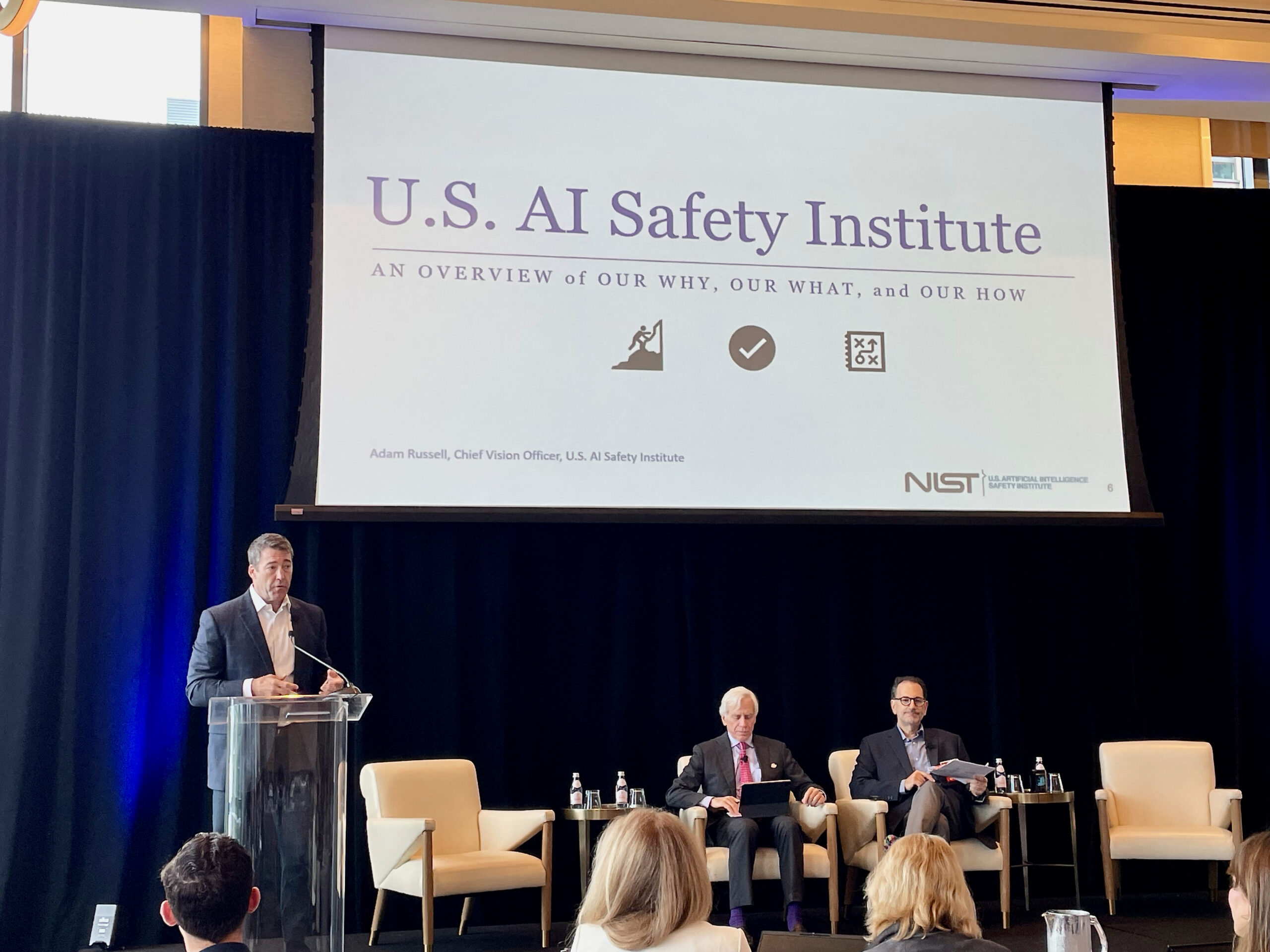
The Future of Privacy Forum (FPF) hosted its inaugural DC Privacy Forum: AI Forward on Wednesday, June 5th. Industry experts, policymakers, civil society, and academics explored the intersection of data, privacy, and AI. In Washington, DC’s southwest Waterfront at the InterContinental, participants joined in person for a full-day program consisting of keynote panels, AI talks, […]

Manipulative and Deceptive Design: New Challenges in Immersive Environments
With help from Selin Fidan, Beth Do, Daniel Berrick, and Angela Guo Immersive technologies like spatial computing, gaming, and extended reality (XR) offer exciting ways to experience and engage with the world. However, interfaces for immersive technologies that further blur the lines between the physical and the virtual may also open the door to new, […]

FPF Celebrates 15 Years! Spring Social Marks Board Transition as Data Protection Leaders Toast to FPF’s Success
Leaders in Data Protection Take Center Stage at FPF’s Spring Social The week started with FPF’s 15th Anniversary Spring Social, where FPF CEO Jules Polonetsky thanked FPF’s Board Chair and Founder Chris Wolf, who served for 15 years, and welcomed FPF’s new Board Chair, Alan Raul. Three leading data protection regulators lauded FPF’s effectiveness in […]

Youth Privacy in Immersive Technologies: Regulatory Guidance, Lessons Learned, and Remaining Uncertainties
As young people adopt immersive technologies like extended reality (XR) and virtual world applications, companies are expanding their presence in digital spaces, launching brand experiences, advertisements, and digital products. While virtual worlds may in some ways resemble traditional social media and gaming experiences, they may also collect more data and raise potential manipulation risks, particularly […]

Identifying Privacy Risks and Implementing Best Practices for Body-Related Data in Immersive Technologies
As organizations develop more immersive technologies, and rely on the collection, use, and transferring of body-related data, they need to ensure their data practices not only maintain legal compliance, but also more fulsomely protect people’s privacy. To guide organizations as they develop their body-related data practices, the Future of Privacy Forum created the Risk Framework […]
Understanding Body-Related Data Practices and Ensuring Legal Compliance in Immersive Technologies
Organizations are increasingly incorporating immersive technologies like extended reality (XR) and virtual worlds into their products and services, blurring the boundaries between the physical and digital worlds. Immersive technologies hold the potential to transform the way people learn, work, play, travel, and take care of their health, but may create new privacy risks as well. […]