
Connected technologies and always-on data flows are helping make today’s cities and communities more livable, productive, and sustainable. At the same time, these technologies raise concerns about individual privacy, freedom of choice, and institutional discrimination. How do we leverage the benefits of a data-rich society while giving members of our community the confidence of knowing their privacy is protected? How can we address pressing local problems — from housing to highways, potholes to policing — and deliver public services in equitable, privacy-conscious ways?
Working collaboratively with public, private, academic, and civil society leaders, FPF builds tools and best practices to guide how cities and local communities collect, manage, and use personal data to improve services for individuals. A cornerstone of this work is FPF’s Civic Privacy Leaders Network, a peer network supported by the National Science Foundation that brings together privacy leaders from 30+ local governments across the U.S. and Canada to navigate emerging privacy issues, share practical guidance, and promote fair and transparent data practices.
Visit the Smart Communities Resources web page for a comprehensive list of FPF’s ongoing work in this area.



FPF Publishes Model Open Data Benefit-Risk Analysis
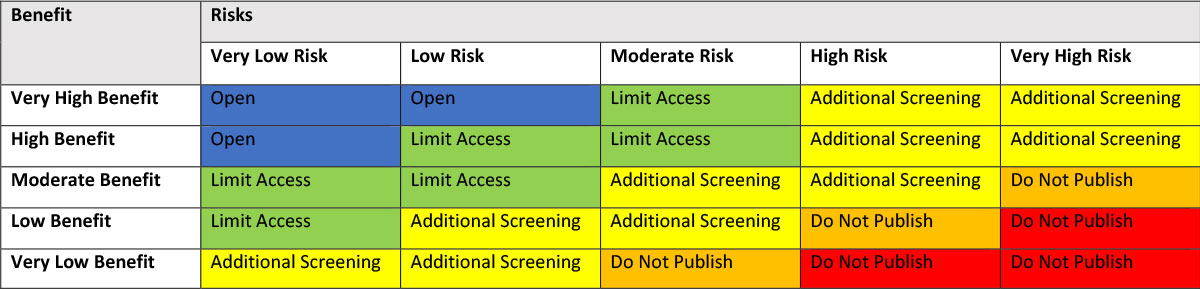
This Report first describes inherent privacy risks in an open data landscape, with an emphasis on potential harms related to re-identification, data quality, and fairness. To address these risks, the Report includes a Model Open Data Benefit-Risk Analysis (“Model Analysis”). The Model Analysis evaluates the types of data contained in a proposed open dataset, the potential benefits – and concomitant risks – of releasing the dataset publicly, and strategies for effective de-identification and risk mitigation.

New Future of Privacy Forum Study Finds the City of Seattle’s Open Data Program a National Leader in Privacy Program Management
Today, the Future of Privacy Forum released its City of Seattle Open Data Risk Assessment. The Assessment provides tools and guidance to the City of Seattle and other municipalities navigating the complex policy, operational, technical, organizational, and ethical standards that support privacy-protective open data programs.
Examining the Open Data Movement
The transparency goals of the open data movement serve important social, economic, and democratic functions in cities like Seattle. At the same time, some municipal datasets about the city and its citizens’ activities carry inherent risks to individual privacy when shared publicly. In 2016, the City of Seattle declared in its Open Data Policy that the city’s data would be “open by preference,” except when doing so may affect individual privacy.[1] To ensure its Open Data Program effectively protects individuals, Seattle committed to performing an annual risk assessment and tasked the Future of Privacy Forum (FPF) with creating and deploying an initial privacy risk assessment methodology for open data.

Public comments on proposed Open Data Risk Assessment for the City of Seattle
FPF requested feedback from the public on its proposed Draft Open Data Risk Assessment for the City of Seattle. In 2016, the City of Seattle declared in its Open Data Policy that the city’s data would be “open by preference,” except when doing so may affect individual privacy. To ensure its Open Data program effectively protects individuals, Seattle committed to performing an annual risk assessment and tasked FPF with creating and deploying an initial privacy risk assessment methodology for open data.

Roundtable Discussion: Smart Cities and Open Data (2017 MetroLab Network Annual Summit)
The Smart Cities and Open Data movements promise to use data to spark civic innovation and engagement, promote inclusivity, and transform modern communities. At the same time, advances in sensor technology, re-identification science, and Big Data analytics have challenged cities and their partners to construct effective safeguards for the collection, use, sharing, and disposal of personal information.

Upcoming Future of Privacy Forum Events
In the coming months, FPF will be hosting or co-hosting a number of events. We welcome your attendance and participation. Please contact us at [email protected] for further information.
Smart Cities Need Smart Privacy Protections: FPF seeks public comments on proposed Open Data Risk Assessment for the City of Seattle
The Future of Privacy Forum (FPF) requests feedback from the public on the proposed City of Seattle Open Data Risk Assessment. In 2016, the City of Seattle declared in its Open Data Policy that the city’s data would be “open by preference,” except when doing so may affect individual privacy. To ensure its Open Data program effectively protects individuals, Seattle committed to performing an annual risk assessment and tasked FPF with creating and deploying an initial privacy risk assessment methodology for open data.

The Future of Microphones in Connected Devices
Today, FPF released a new Infographic: Microphones & the Internet of Things: Understanding Uses of Audio Sensors in Connected Devices (read the Press Release here). From Amazon Echos to Smart TVs, we are seeing more home devices integrate microphones, often to provide a voice user interface powered by cloud-based speech recognition.
'Successful smart city leaders will be smart on privacy'
In a piece for Samsung Public Information Display, Jules Polonetsky and Kelsey Finch share what they have learned from working with smart city and community stakeholders to navigate complex issues and integrate digital services in privacy-protective ways. The authors explain:
Shedding Light on Smart City Privacy
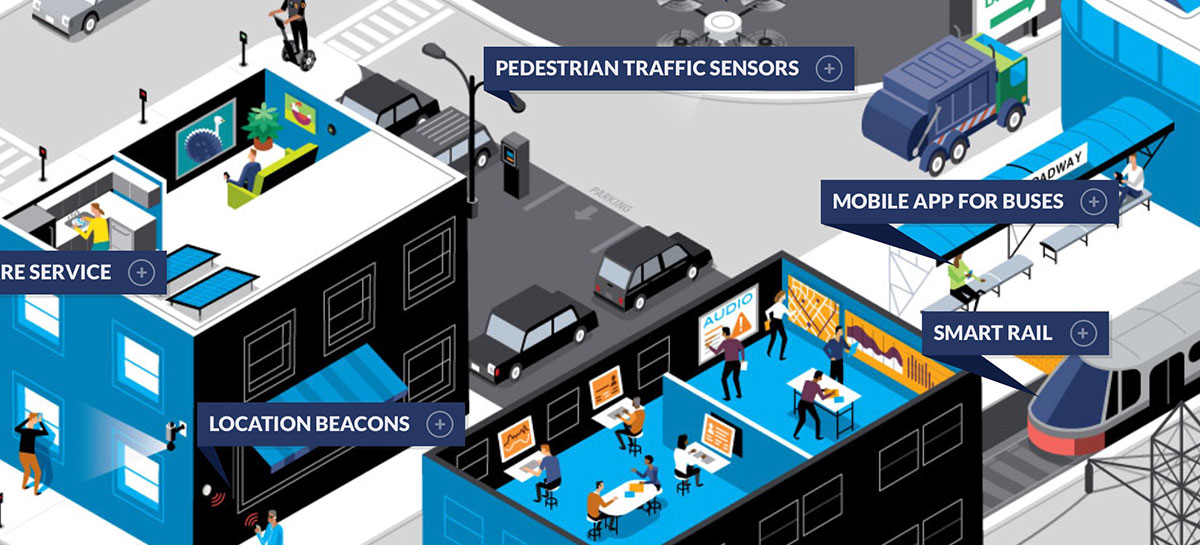
Today, the Future of Privacy Forum is releasing a new tool for municipal and technology leaders: a visual guide “Shedding Light on Smart City Privacy.” This tool will help citizens, companies, and communities understand the technologies at the heart of smart city and smart community projects – and their potential impact on privacy.