
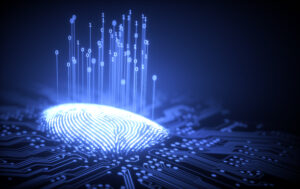
Biometric technology has long been used for security and law enforcement purposes such as national security watch lists, passport controls, criminal fingerprint databases, and immigration processing. Now, however, the private sector increasingly uses these systems as a verification method for authentication that previously required a PIN or password. Apple’s decision to include a fingerprint scanner in the iPhone in 2013 brought new public awareness to possible non-law-enforcement applications of biometric technologies, and the company’s shift to facial recognition access in the most recent models further normalized the concept. Biometric technology continues to be adopted in many sectors, including financial services, transportation, health care, computer systems and facility access, and voting. In many cases, this technology is more efficient, less expensive, and easier to use than traditional alternatives, while also eliminating the need for passwords, which are broadly recognized as an insufficiently secure safeguard for user data. However, as with any digital system, there are privacy concerns around the collection, use, storage, sharing, and analysis of the data that are generated by these systems.
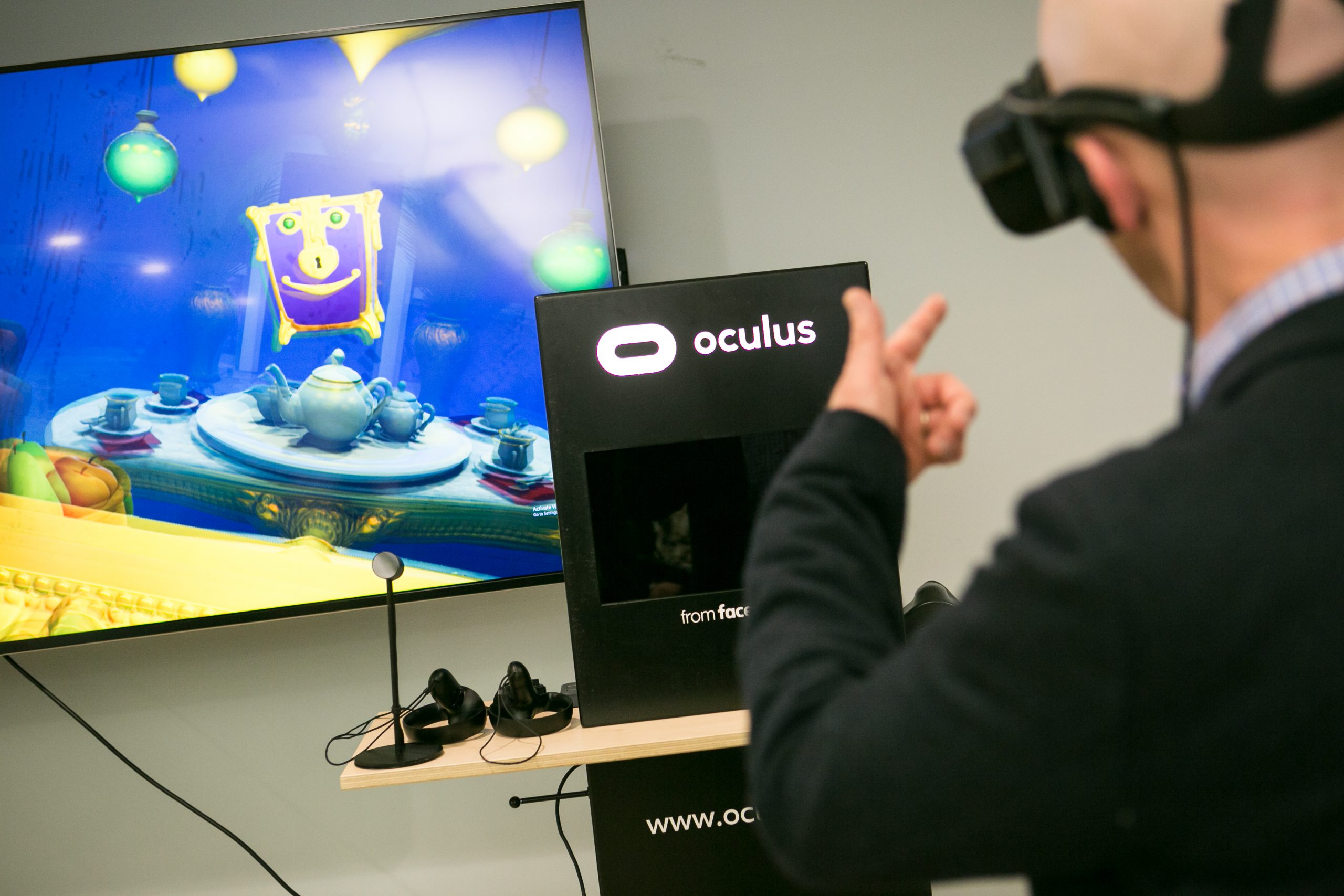
Policymakers, regulators, and privacy executives interact with latest connected tech at FPF's Second Annual Tech Lab
FPF held the Second Annual Tech Lab Open House Tuesday, April 18, 2017, at our offices in Washington, D.C. The Tech Lab Open House provided an opportunity for us to host FPF members and colleagues based in the District of Columbia, and those from around the world who were in town for the International Association of Privacy Professional’s Global Privacy Summit.
The 2nd Annual FPF Tech Lab Open House | April 18, 2017 in Washington, DC
The 2nd Annual FPF Tech Lab Open House is an opportunity for us to welcome our members, friends, and colleagues in town for the IAPP Global Privacy Summit. Hosted at our home office in Washington, DC, this event provides a rare occasion for policymakers, regulators, and thought leaders to interact with the latest in privacy-impacting gadgets and new technologies.

Privacy Papers 2016: Spotlight on the Winning Authors
The winners of the 2017 PPPM Award are: Law Enforcement Access to Data Across Borders: The Evolving Security and Human Rights Issues; Accountable Algorithms; The Privacy Policymaking of State Attorneys General; Privacy of Public Data; and Privacy and Data Security Harms. The Finalist Judges also selected four papers for Honorable Mention on the basis of their uniformly strong reviews from the Advisory Board.

This Year's Five Must-Read Privacy Papers: The Future of Privacy Forum Announces Recipients of Annual Privacy Award
Washington, DC – Today, the Future of Privacy Forum (FPF) announced the winners of the 7th Annual Privacy Papers for Policymakers (PPPM) Award. The PPPM Award recognizes leading privacy scholarship that is relevant to policymakers in the United States Congress, at U.S. federal agencies, and for data protection authorities abroad.
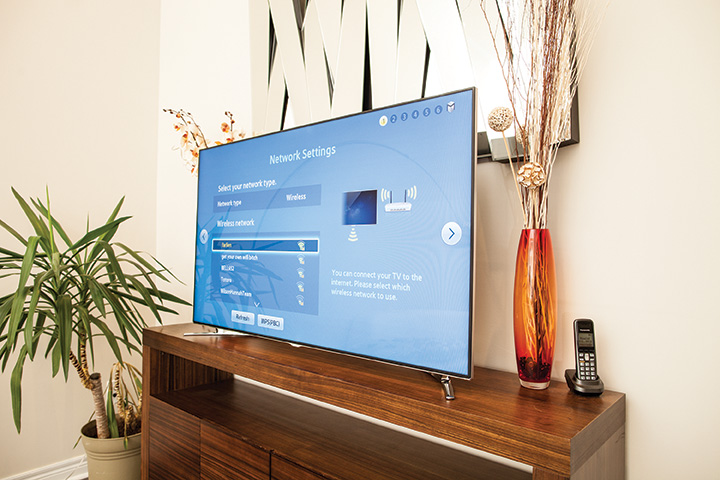
Examining the Privacy Implications of Smart TVs
The Future of Privacy Forum (FPF) filed its report, Always On: Privacy Implications of Microphone-Enabled Devices, with the Federal Trade Commission (FTC) in response to the Commission’s request for public comments regarding the privacy implications of Smart TVs. On December 7, 2016, the FTC will be holding a Smart TV Workshop to explore the intricacies of tracking technologies and best practices for addressing consumer privacy on entertainment systems.

Department of Commerce Director of Privacy Initiatives Joins the Future of Privacy Forum
Washington, DC – Today, the Future of Privacy Forum (FPF) announced that John Verdi will join the organization as Vice President of Policy to lead the development of its rapidly growing privacy policy portfolio. Verdi will be responsible for furthering FPF’s efforts to advance responsible privacy practices.

Facial Recognition and Privacy
Facial Recognition is an exciting technology that promises a host of consumer benefits but also raises a range of privacy concerns. In order to help advance policy discussions around different uses of “computer vision,” we are releasing today a Facial Recognition Discussion Document. We hope the background review of current legal and policymaker guidance is […]
Altimeter Offers Up Privacy Lessons for IoT
A new report today from Altimeter explores what brands can learn about consumer privacy perceptions in the booming Internet of Things. The group warns of the “massive gulf between consumer awareness and industry practices when it comes to practice,” and suggests that companies could respond to consumer anxiety by pursing more trusted customer relationships. At […]
Paper on Video Games and Privacy Released
At the start of the new year, one of the most anticipated video games of the year was Watch_Dogs, an open-world experience where players played the role of a hacker living in near-future Chicago, racing around the city using a mobile device to retrieve sensitive data and harnessing augmented reality feeds to pick up information about […]
The Connected Car and Privacy: Navigating New Data Issues
Each model year brings cars that are getting smarter and more connected, offering new safety features and consumer conveniences. By the end of the decade, one in five vehicles on the road will be …