
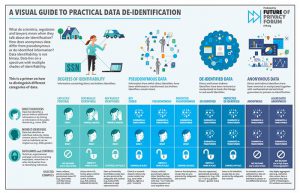
One key method for ensuring privacy while processing large amounts of data is de-identification. De-identified data refers to data through which a link to a particular individual cannot be established. This often involves “scrubbing” the identifiable elements of personal data, making it “safe” in privacy terms while attempting to retain its commercial and scientific value.
In the era of big data, the debate over the definition of personal information, de-identification and re-identification has never been more important. Privacy regimes often rely on data being considered Personal in order to require the application of privacy rights and protections. Data that is anonymous is considered free of privacy risk and available for public use.
Yet much data that is collected and used exists somewhere on a spectrum between these stages. FPF’s De-ID Project has examined practical frameworks for applying privacy restrictions to data based on the nature of data that is collected, the risks of de-identification, and the additional legal and administrative protections that may be applied.
CCPA Amendment Update June 2019 – Twelve Bills Survive Assembly and Move to the Senate
By Michelle Bae and Jeremy Greenberg Privacy professionals seeking clarity on compliance with the California Consumer Privacy Act (CCPA) are monitoring numerous amendment bills introduced in the California State Assembly and the California State Senate. Twelve bills garnered the votes needed to pass the Assembly and moved to the Senate for further revision and voting. […]

FPF Comments on the California Consumer Privacy Act (CCPA)
On Friday, the Future of Privacy Forum submitted comments to the Office of the California Attorney General (AG), Xavier Becerra. Read FPF’s Full Comments (11-page letter) See Attachment 1: Comparing Privacy Laws: GDPR vs. CCPA See Attachment 2: A Visual Guide to Practical De-identification In FPF’s outreach to the AG, we commended the office for its […]
FPF Comments on the Washington Privacy Act, SB 5376
Today, the Future of Privacy Forum submitted comments to the Washington State Senate Ways & Means Committee on the proposed Washington Privacy Act, Senate Bill 5376. FPF takes a “neutral” position regarding the Bill, and makes a few important points. FPF commends the Bill’s sponsors for addressing a broad set of individual data protection rights. […]

Smart Communities: A Conversation with Kelsey Finch
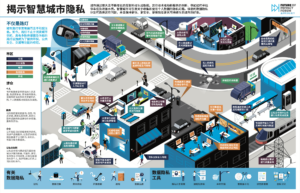
One of FPF Policy Counsel Kelsey Finch’s areas of focus is Smart Communities, a field which draws from many of FPF’s issue areas. From her Seattle office, she has the opportunity to do hands-on work with cities in the Pacific Northwest. Last year, she worked with city officials on Seattle’s first Open Data Risk Assessment, […]
The HIPAA Privacy Rule 15 Years Later: What’s Next?
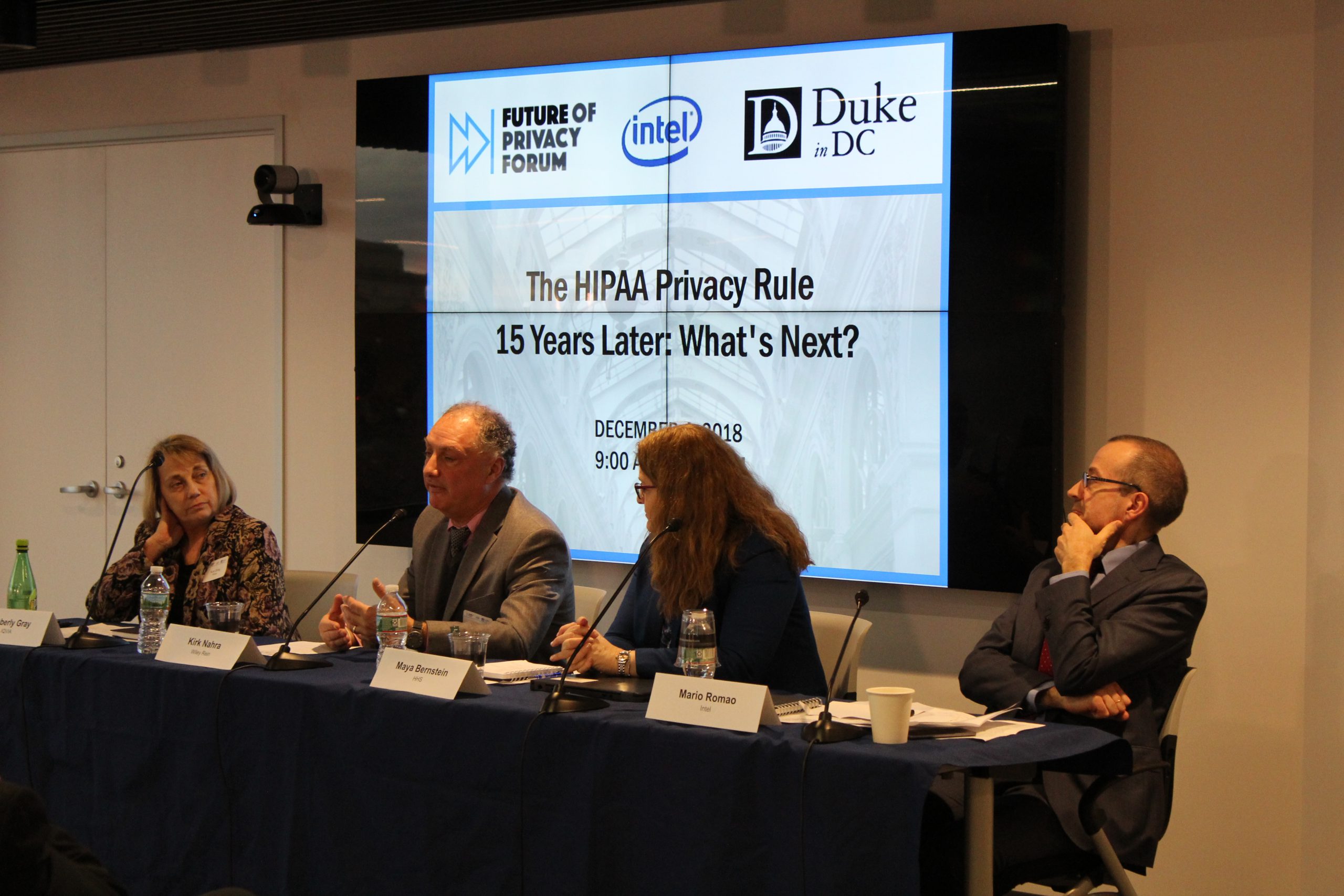
On December 4th, FPF, Intel, and Duke in DC hosted “The HIPAA Privacy Rule 15 Years Later: What’s Next?” The event brought together stakeholders across the health data ecosystem to explore the current challenges related to the Health Information Portability and Accountability Act (HIPAA) Privacy Rule. Specifically, the discussion focused on solutions to mitigate restrictions to data sharing in clinical care and research due to administrative burdens, while at the same time maintain the privacy of protected health information (PHI).
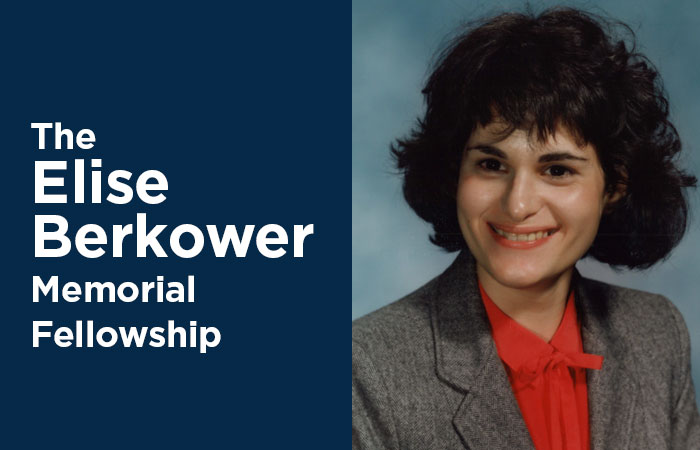
FPF Welcomes Inaugural Elise Berkower Memorial Fellow
Earlier this year, FPF launched a new fellowship in memory of Elise Berkower. Elise was a senior privacy executive at global measurement and data analytics company Nielsen for nearly a decade and was a valued, longtime member of the FPF Advisory Board. FPF graciously acknowledges the Berkower Family and the Nielsen Foundation as founding sponsors of the Elise Berkower Memorial Fellowship
The Elise Berkower Memorial Fellowship
FPF launched a new fellowship in memory of Elise Berkower. Elise was a senior privacy executive at global measurement and data analytics company Nielsen for nearly a decade and was a valued, longtime member of the FPF Advisory Board. FPF graciously acknowledges the Berkower Family and the Nielsen Foundation as founding sponsors of the Elise Berkower Memorial Fellowship.
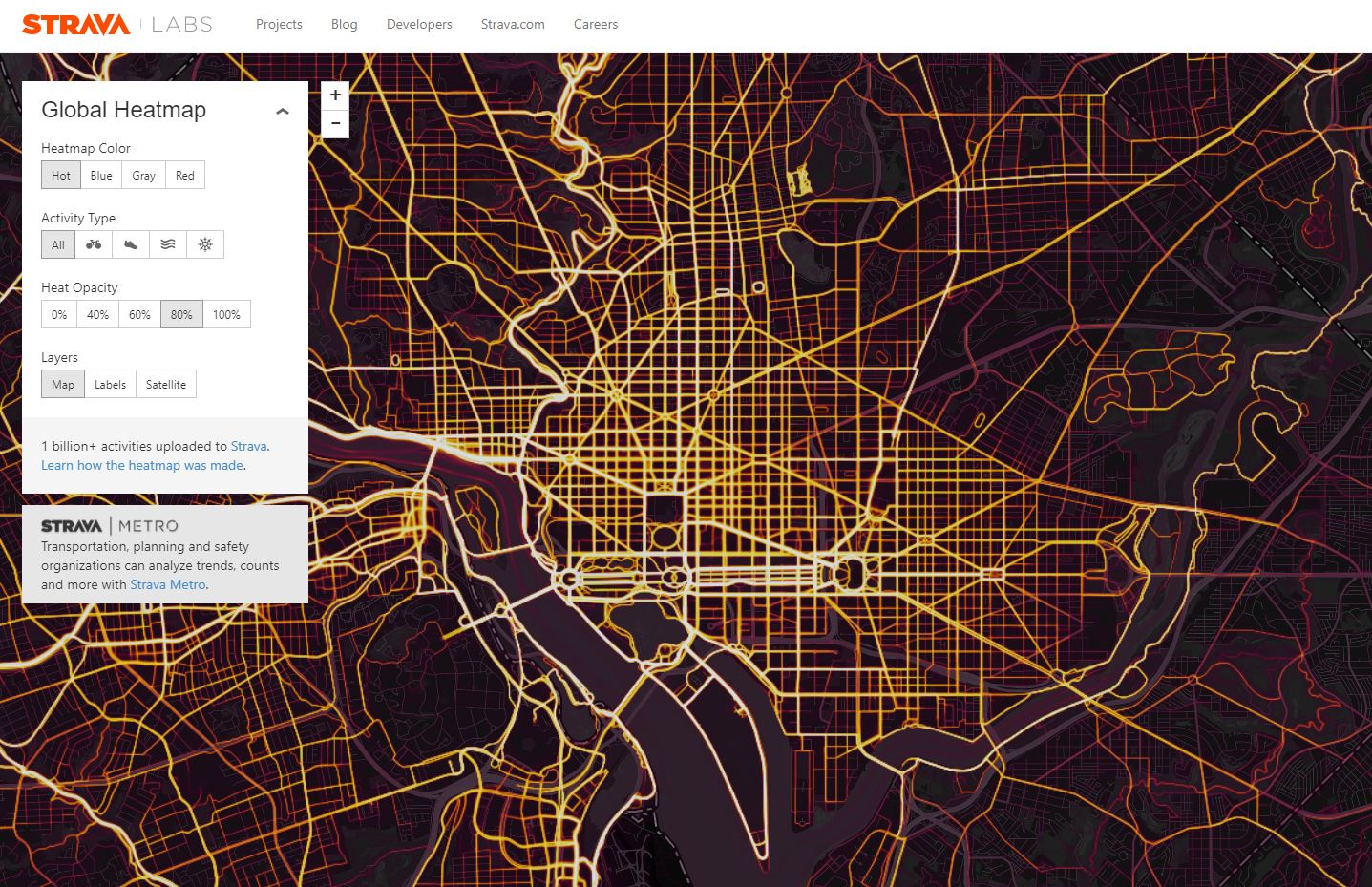
If You Can't Take the Heat Map: Benefits & Risks of Releasing Location Datasets
Strava’s location data controversy demonstrates the unique challenges of publicly releasing location datasets (open data), even when the data is aggregated.
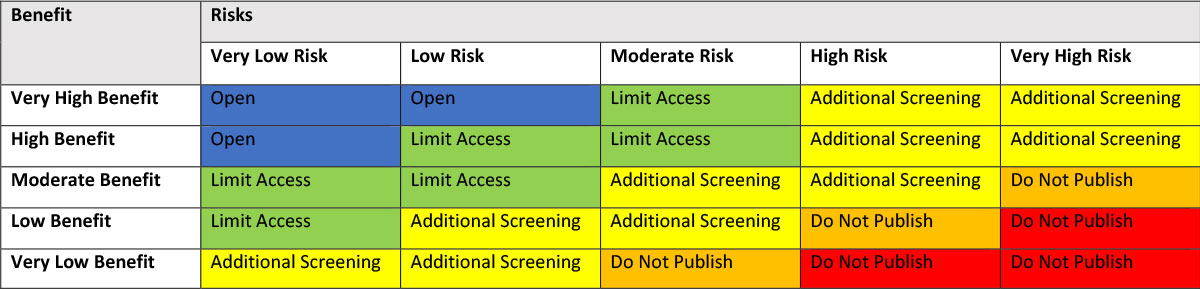
FPF Publishes Model Open Data Benefit-Risk Analysis
This Report first describes inherent privacy risks in an open data landscape, with an emphasis on potential harms related to re-identification, data quality, and fairness. To address these risks, the Report includes a Model Open Data Benefit-Risk Analysis (“Model Analysis”). The Model Analysis evaluates the types of data contained in a proposed open dataset, the potential benefits – and concomitant risks – of releasing the dataset publicly, and strategies for effective de-identification and risk mitigation.

New Future of Privacy Forum Study Finds the City of Seattle’s Open Data Program a National Leader in Privacy Program Management
Today, the Future of Privacy Forum released its City of Seattle Open Data Risk Assessment. The Assessment provides tools and guidance to the City of Seattle and other municipalities navigating the complex policy, operational, technical, organizational, and ethical standards that support privacy-protective open data programs.