
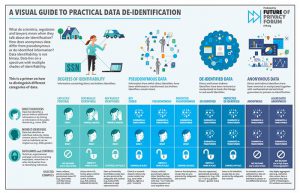
One key method for ensuring privacy while processing large amounts of data is de-identification. De-identified data refers to data through which a link to a particular individual cannot be established. This often involves “scrubbing” the identifiable elements of personal data, making it “safe” in privacy terms while attempting to retain its commercial and scientific value.
In the era of big data, the debate over the definition of personal information, de-identification and re-identification has never been more important. Privacy regimes often rely on data being considered Personal in order to require the application of privacy rights and protections. Data that is anonymous is considered free of privacy risk and available for public use.
Yet much data that is collected and used exists somewhere on a spectrum between these stages. FPF’s De-ID Project has examined practical frameworks for applying privacy restrictions to data based on the nature of data that is collected, the risks of de-identification, and the additional legal and administrative protections that may be applied.
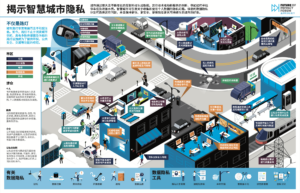
Examining the Open Data Movement
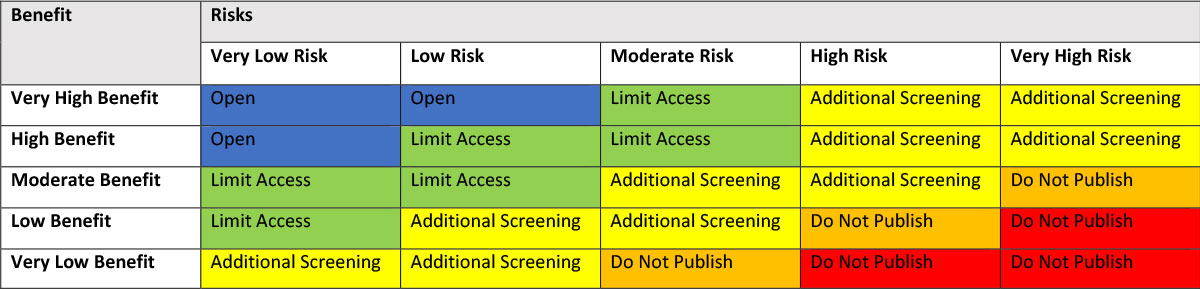
The transparency goals of the open data movement serve important social, economic, and democratic functions in cities like Seattle. At the same time, some municipal datasets about the city and its citizens’ activities carry inherent risks to individual privacy when shared publicly. In 2016, the City of Seattle declared in its Open Data Policy that the city’s data would be “open by preference,” except when doing so may affect individual privacy.[1] To ensure its Open Data Program effectively protects individuals, Seattle committed to performing an annual risk assessment and tasked the Future of Privacy Forum (FPF) with creating and deploying an initial privacy risk assessment methodology for open data.
From cross-border transfers to privacy engineering, check out all panels and events FPF will be a part of at CPDP2018
Computers Privacy and Data Protection conference (CPDP) kicks off this week in Brussels, and the theme this year is “The Internet of Bodies”. The conference will gather 400 speakers for 80 panels to set the stage for the privacy and data protection conversation in Europe for 2018. And this is such an important year for data protection – not only the General Data Protection Regulation becomes applicable in May, but also the text of the new ePrivacy Regulation will likely be finalized.
NAI Combines Web, Mobile, and Cross-Device Tracking Rules for 2018
The Network Advertising Initiative (NAI) released its 2018 Code of Conduct yesterday, consolidating the rules for online and mobile behavioral advertising (interest-based advertising). NAI, a non-profit organization in Washington, DC, is the leading self-regulatory association for digital advertising, with over 100 members and a formalized internal review mechanism.

Where Are They Now? FPF Trains a New Generation of Privacy Leaders
FPF offers up-and-coming privacy professionals fellowship opportunities, often giving college graduates experience in the privacy world. In this post, we will take a look at some of FPF’s former employees who have gone on to impressive privacy careers.
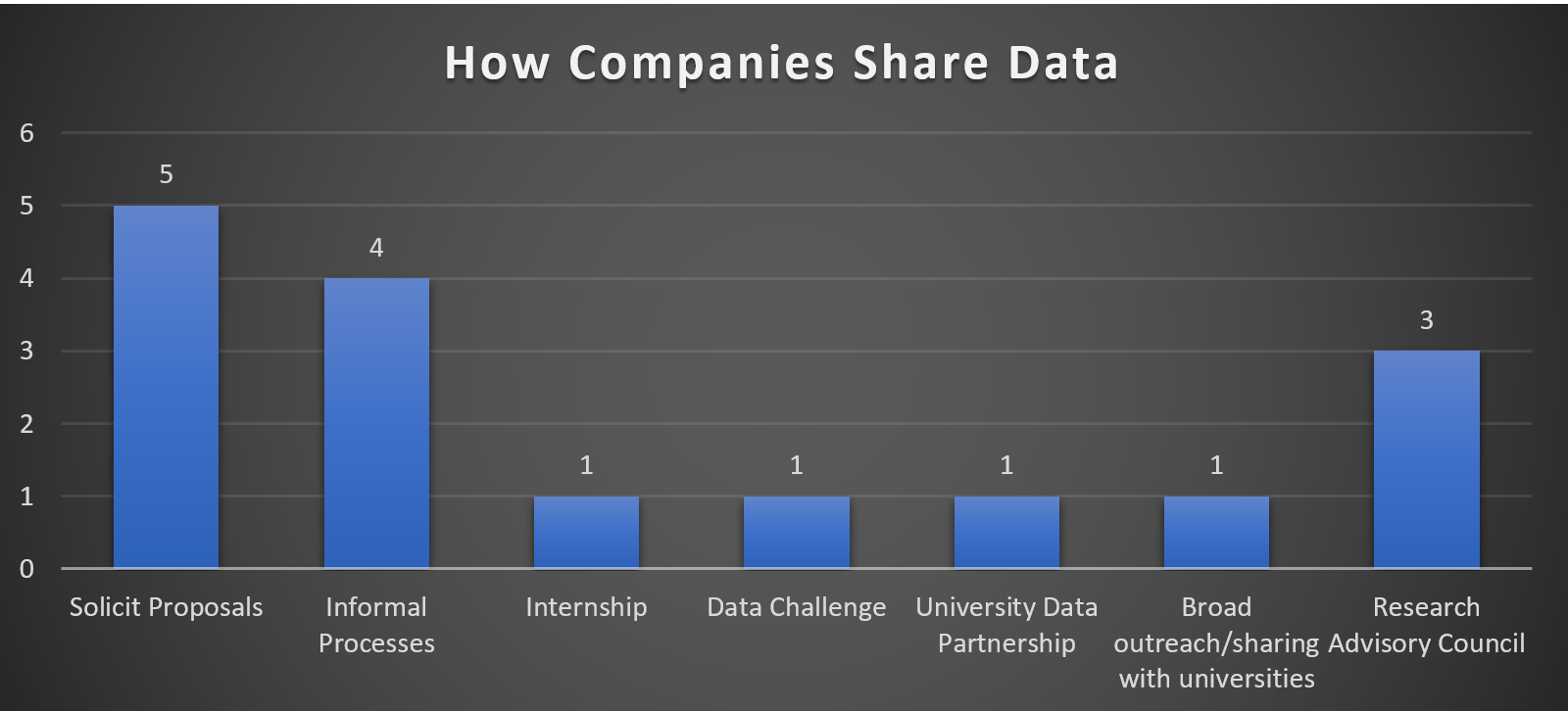
New Study: Companies are Increasingly Making Data Accessible to Academic Researchers, but Opportunities Exist for Greater Collaboration
Washington, DC – Today, the Future of Privacy Forum released a new study, Understanding Corporate Data Sharing Decisions: Practices, Challenges, and Opportunities for Sharing Corporate Data with Researchers. In this report, FPF reveals findings from research and interviews with experts in the academic and industry communities. Three main areas are discussed: 1) The extent to which leading companies make data available to support published research that contributes to public knowledge; 2) Why and how companies share data for academic research; and 3) The risks companies perceive to be associated with such sharing, as well as their strategies for mitigating those risks.
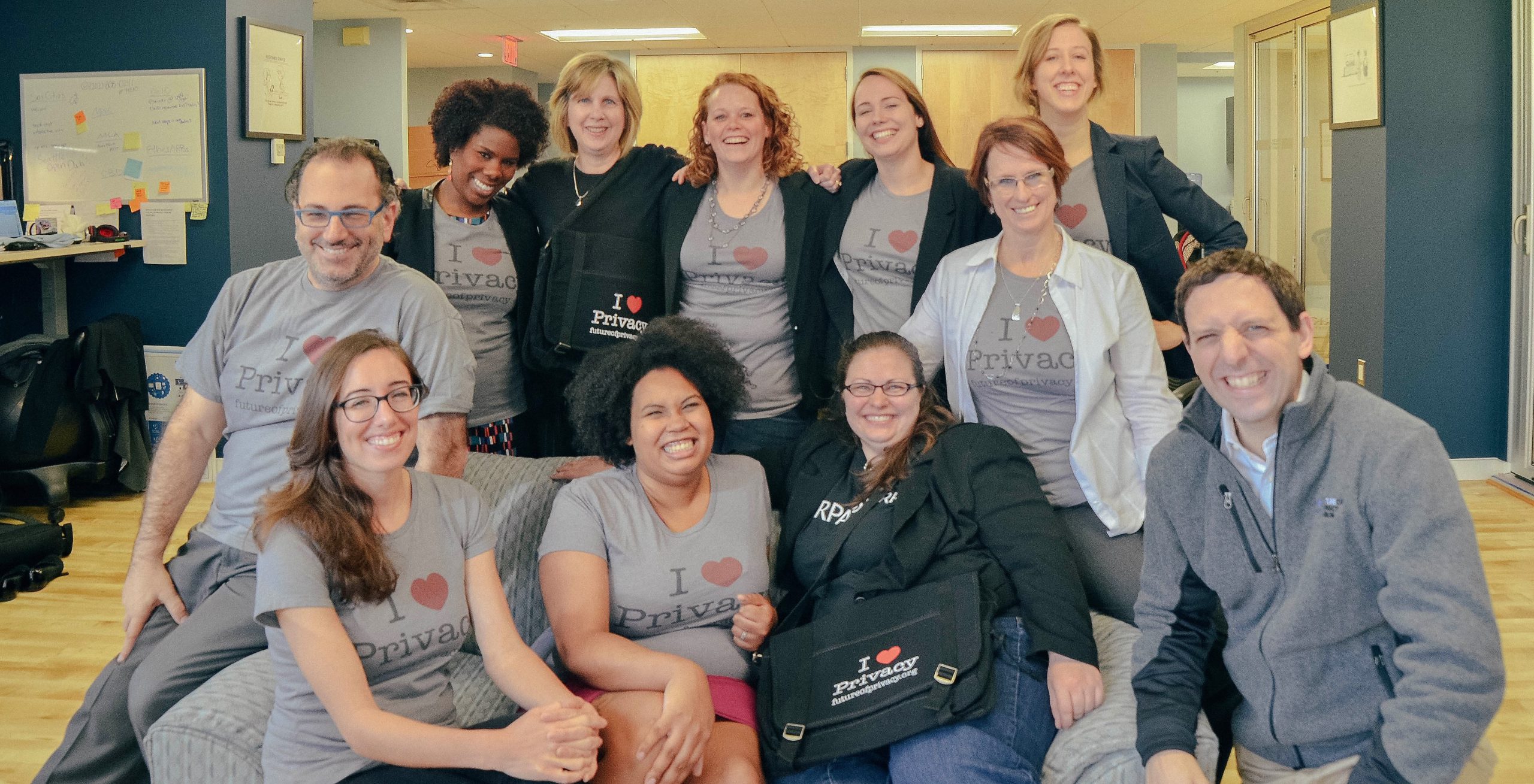
FPF Welcomes New Team Members
The Future of Privacy Forum is delighted to welcome several new members to our team!

Bipartisan Report: Feds Should Connect Student Data While Protecting Privacy
Today, the Commission on Evidence-Based Policymaking released their final report. The Commission was created through bi-partisan legislation in 2016 to “consider how to strengthen government’s evidence-building and policymaking efforts” (page 16). One of the key issues that the Commission heard from advocates on all sides about whether to overturn the current federal ban on connecting education data collected by the federal government in order to provide students, postsecondary institutions, and the public with information that could be used to improve policies or better target federal funding.

Privacy Engineering Research and the GDPR: A Trans-Atlantic Initiative
With this event, we aim to determine the relevant state of the art in privacy engineering; in particular, we will focus on those areas where the “art” needs to be developed further. The goal of this trans-Atlantic initiative is to identify open research and development tasks, which are needed to make the full achievement of the GDPR’s ambitions possible.
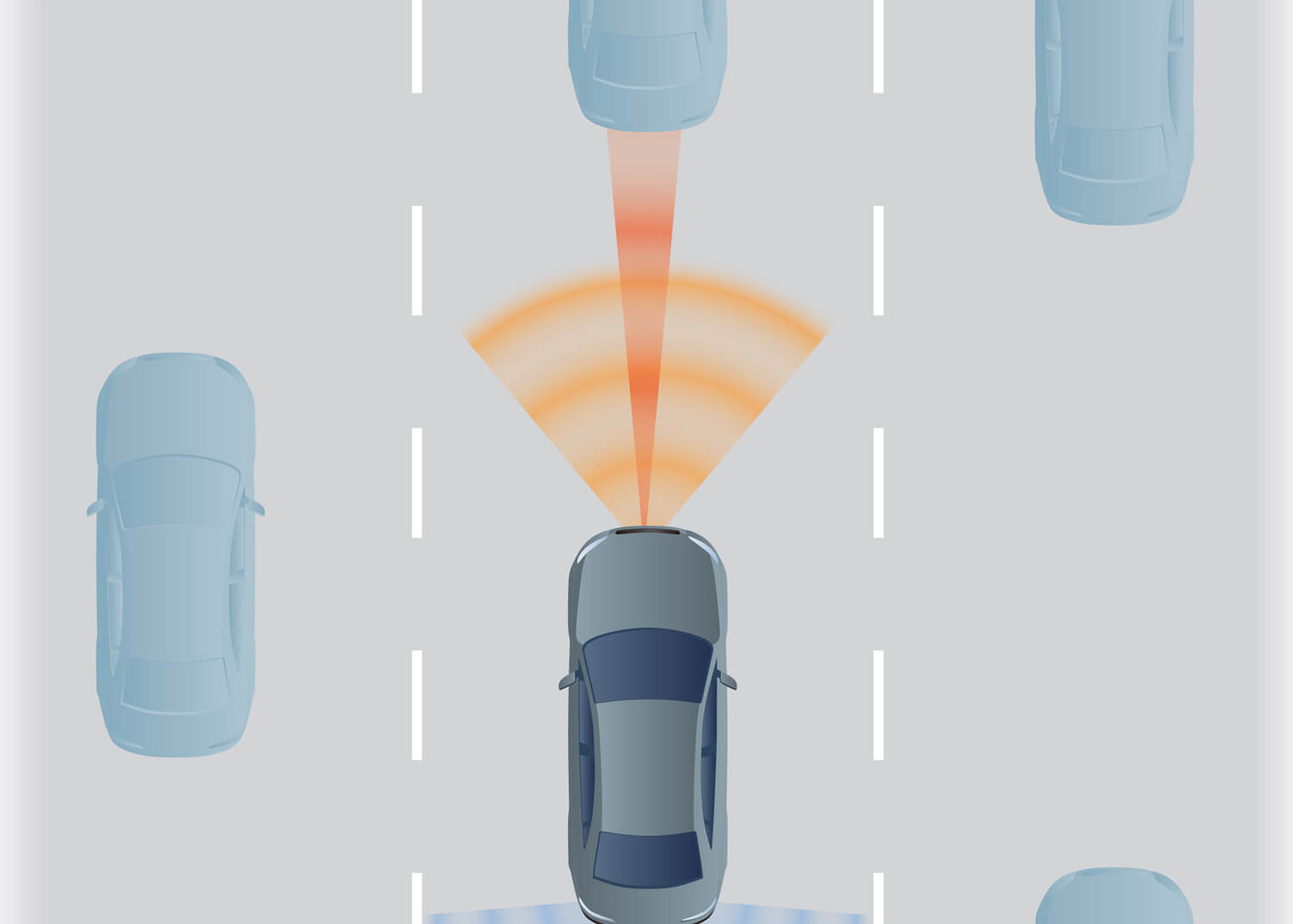
FPF Statement on GAO Release of Vehicle Data Privacy Report
A new report released today by the United States Government Accountability Office reviews consumer privacy issues related to connected vehicles. The report examines the use, types, and sharing of vehicle data; surveys automakers to understand how their privacy policies align with privacy best practices; consults experts in the field to understand the issues at play in this space; and examines related Federal efforts.
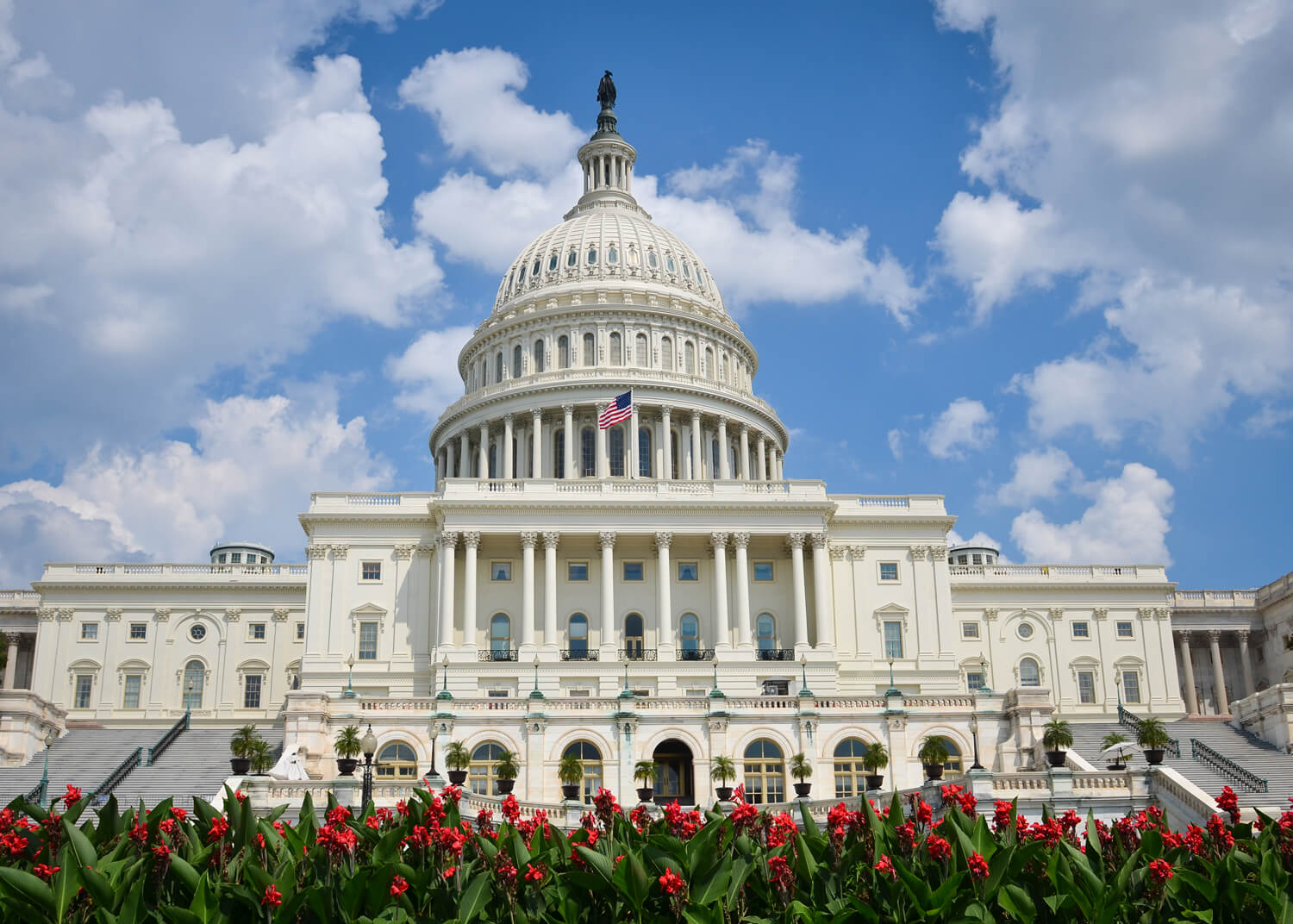
The House’s SELF DRIVE Act Races Ahead on Privacy
In a rare moment of bipartisanship, the House Energy and Commerce Committee yesterday unanimously approved the SELF DRIVE Act H.R. 3388, sending it to the full House of Representatives for consideration. The bill facilitates introduction and testing of autonomous cars by clarifying federal and state roles, and by granting exemptions from motor vehicle standards that have impeded introduction of new automated vehicle technologies. This vote was an important step forward in enabling introduction of new technologies that have the potential to transform the future of mobility and maximize consumer safety.