
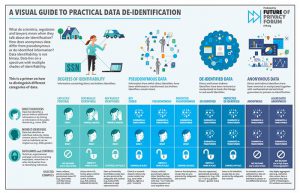
One key method for ensuring privacy while processing large amounts of data is de-identification. De-identified data refers to data through which a link to a particular individual cannot be established. This often involves “scrubbing” the identifiable elements of personal data, making it “safe” in privacy terms while attempting to retain its commercial and scientific value.
In the era of big data, the debate over the definition of personal information, de-identification and re-identification has never been more important. Privacy regimes often rely on data being considered Personal in order to require the application of privacy rights and protections. Data that is anonymous is considered free of privacy risk and available for public use.
Yet much data that is collected and used exists somewhere on a spectrum between these stages. FPF’s De-ID Project has examined practical frameworks for applying privacy restrictions to data based on the nature of data that is collected, the risks of de-identification, and the additional legal and administrative protections that may be applied.
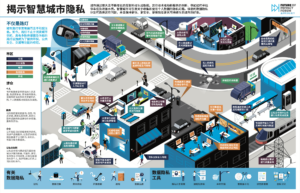

India: Proposed Data Regulation Overhaul Includes New Draft Rules for Processing Non-Personal Data
Authors: Sameer Avasarala ——- Disclaimers This guest post is by Sameer Avasarala, a Data Protection and Technology Lawyer in Bengaluru. The material/opinion expressed is exclusively that of the author alone and does not expresses the views of Cyril Amarchand Mangaldas or any other firm / organization that the author is associated with. He can be […]

California SB 980 Would Codify Many of FPF’s Best Practices for Consumer Genetic Testing Services, but Key Differences Remain
Authors: John Verdi (Vice President of Policy) and Katelyn Ringrose (Christopher Wolf Diversity Law Fellow) In July 2018, the Future of Privacy Forum released Privacy Best Practices for Consumer Genetic Testing Services. FPF developed the Best Practices following consultation with technical experts, regulators, leading consumer genetic and personal genomic testing companies, and civil society. The […]
Dr. Rachele Hendricks-Sturrup Discusses Trends in Health Data
We’re talking to FPF senior policy experts about their work on important privacy issues. Today, Dr. Rachele Hendricks-Sturrup, Health Policy Counsel, is sharing her perspective on health data and privacy. Dr. Hendricks-Sturrup has more than 12 years of experience in healthcare and biomedical research, health journalism, and engagement with digital health companies and startups. […]

FPF Webinar Explores the Future of Privacy-Preserving Machine Learning
On June 8, FPF hosted a webinar, Privacy Preserving Machine Learning: New Research on Data and Model Privacy. Co-hosted by the FPF Artificial Intelligence Working Group and the Applied Privacy Research Coordination Network, an NSF project run by FPF, the webinar explored how machine learning models as well as data fed into machine learning models […]
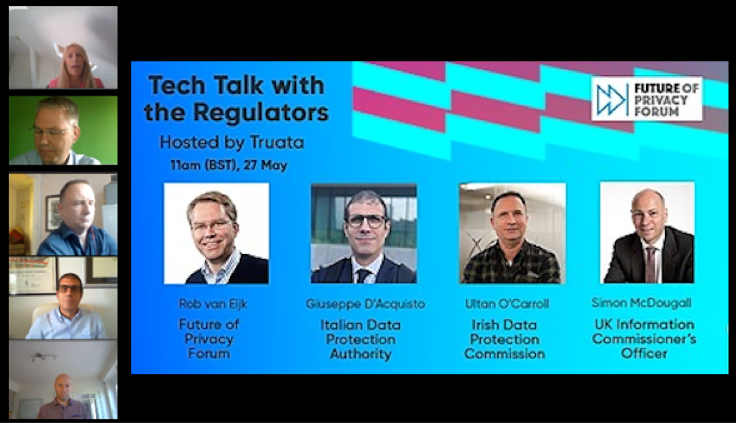
Tech Talk with the Regulators – Understanding Anonymization Under the GDPR
The General Data Protection Regulation (GDPR) has already been in existence for four years, and has been in force for two years. How can anonymization techniques under the GDPR help Data Protection Officers (DPOs) assess innovation? I hosted a webinar with Truata that featured experts from DPAs in Italy, Ireland, and the UK to find […]
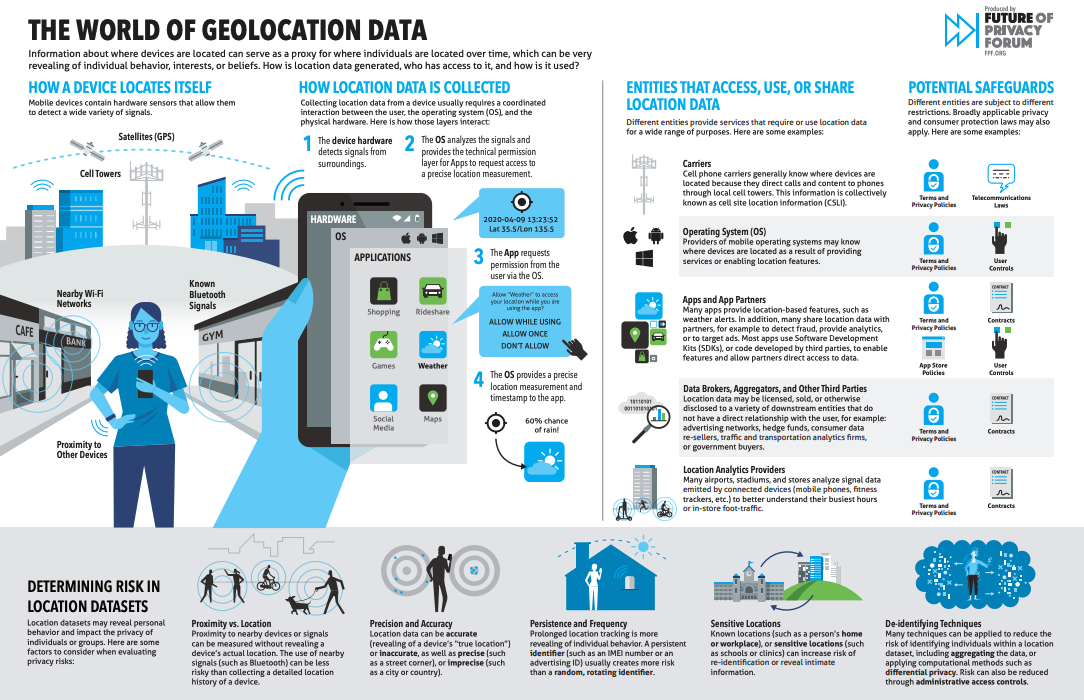
New Infographic Illustrates Key Aspects of Location Data
Today, the Future of Privacy Forum (FPF) published an infographic, “The World of Geolocation Data” that outlines how location data is generated from mobile devices, who has access to it, and factors to consider in evaluating privacy risks. Data from our mobile devices, including smartphones and fitness trackers, can serve as a proxy for where […]
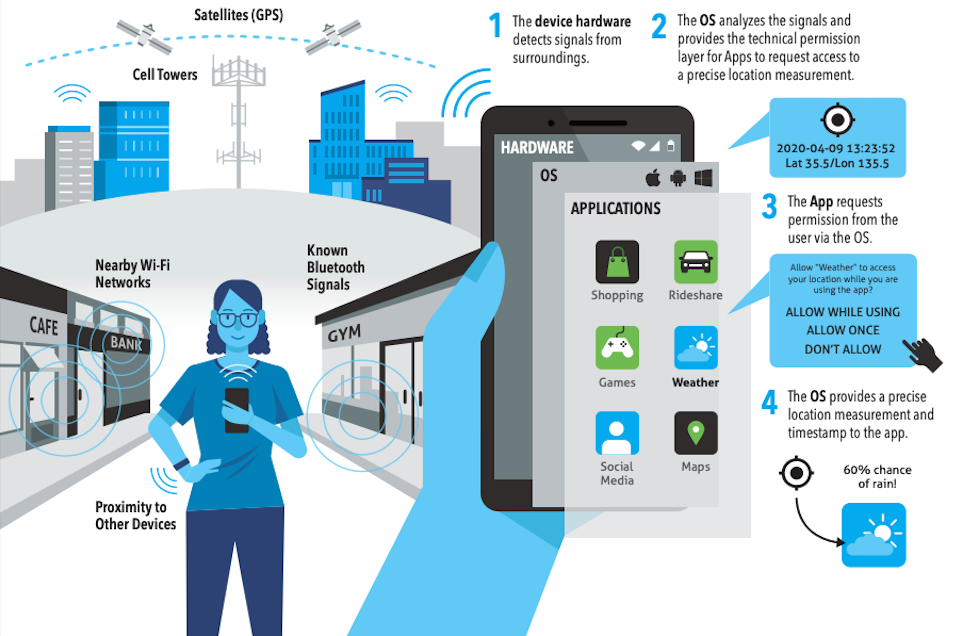
Understanding the "World of Geolocation Data"
How is location data generated from mobile devices, who gets access to it, and how? As debates over companies and public health authorities using device data to address the current global pandemic continue, it is more important than ever for policymakers and regulators to understand the practical basics of how mobile operating systems work, how […]
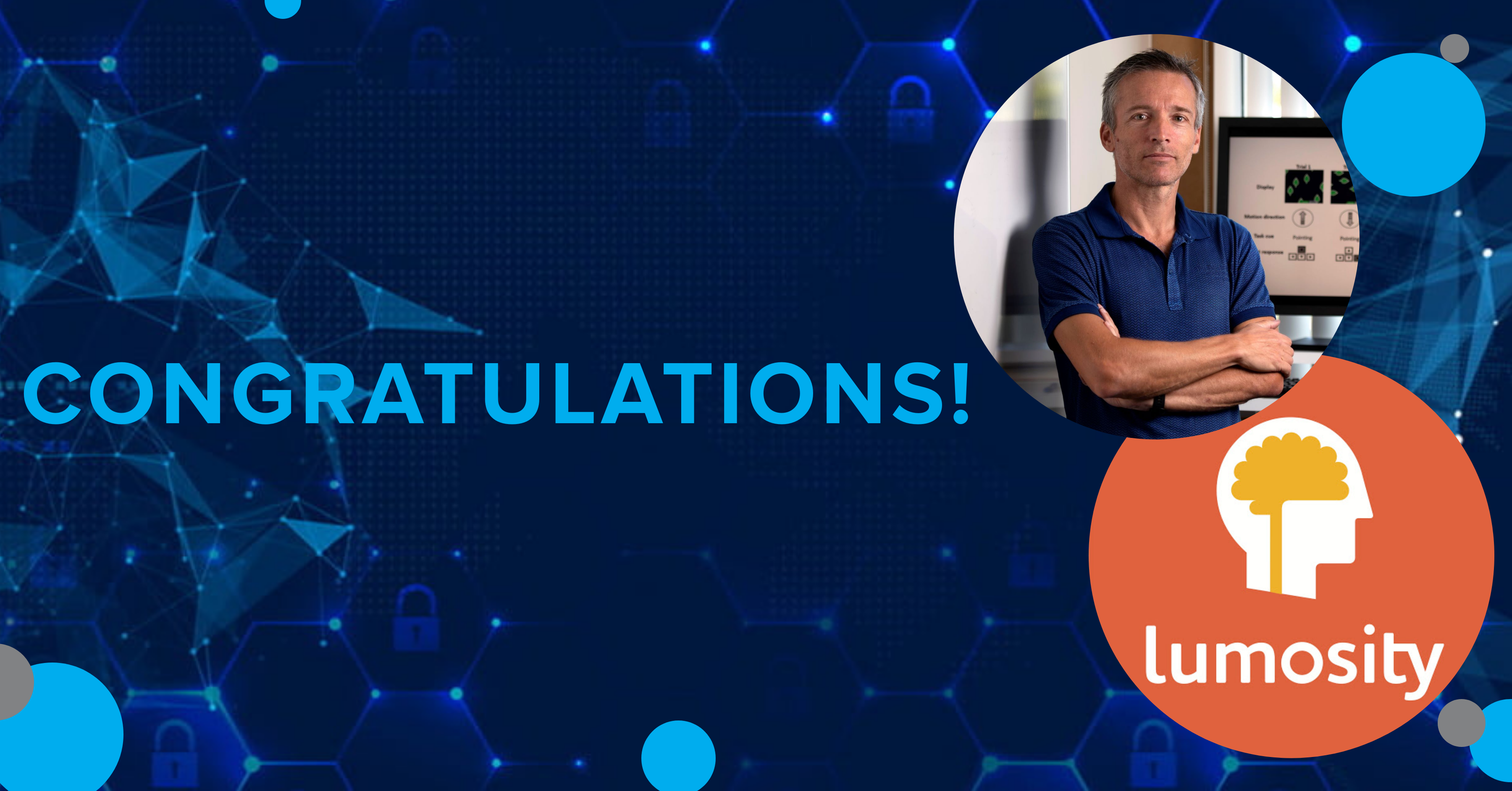
FPF Honors UC-Irvine/Lumos Labs Partnership with First-Ever Award for Research Data Stewardship
Click here to view the Call for Nominations for the 2021 FPF Award for Research Data Stewardship. Click here to watch a recording of the 2020 FPF Award for Research Data Stewardship virtual awards event. University of California Irvine (UCI) Professor of Cognitive Science Mark Steyvers and Lumos Labs – the parent company behind Lumosity, […]
FPF and Privacy Analytics Identify “A Practical Path Toward Genetic Privacy”
Paper highlights de-identification standards, re-identification research, and emerging technical, contractual, and policy protections that can safeguard genetic data while supporting research. Genomic data is arguably the most personal of all personally identifiable information (“PII”). Techniques to de-identify genomic data to limit privacy and security risks to individuals–while that data is used for research and statistical […]
Privacy and Pandemics: A Thoughtful Discussion
As the COVID-19 virus spreads, governments, researchers, and healthcare institutions are seeking to obtain and deploy consumer data to track the spread of the virus, deliver emergency supplies, target travel restrictions and quarantines, and develop vaccines and cures. But can data collected from phones, credit cards, and other sources be used in this emergency without […]