

New Swire-FPF Report: U.S. Surveillance Law, Safe Harbor, and Reforms Since 2013
In the wake of critical decisions being handed down by the EU concerning the Safe Harbor laws (Schrems case) and U.S. Surveillance practices, Professor Peter Swire and the Future of Privacy Forum today have released a report titled “U.S. Surveillance Law, Safe Harbor, and Reforms Since 2013.”
White House Steps Up APEC-EU Interoperability Push
Former FPF’er Josh Harris provides some insights on the APEC-EU privacy interoperability project. “…the White House released a fact sheet detailing the outcomes of this year’s APEC meetings and highlighting the interoperability project as a key outcome that should be continued and expanded.” Check out the full article here and if you want to know […]
Panelists Debated Materiality and Privacy Harms under the FTC’s Section 5
On November 5, the Future of Privacy Forum and Washington & Lee University School of Law co-hosted a panel on the Future of Section 5 of the FTC Act. The Federal Trade Commission Act permits the agency to bring civil enforcement actions under Section 5 against companies who engage in “unfair or deceptive trade practices.” […]
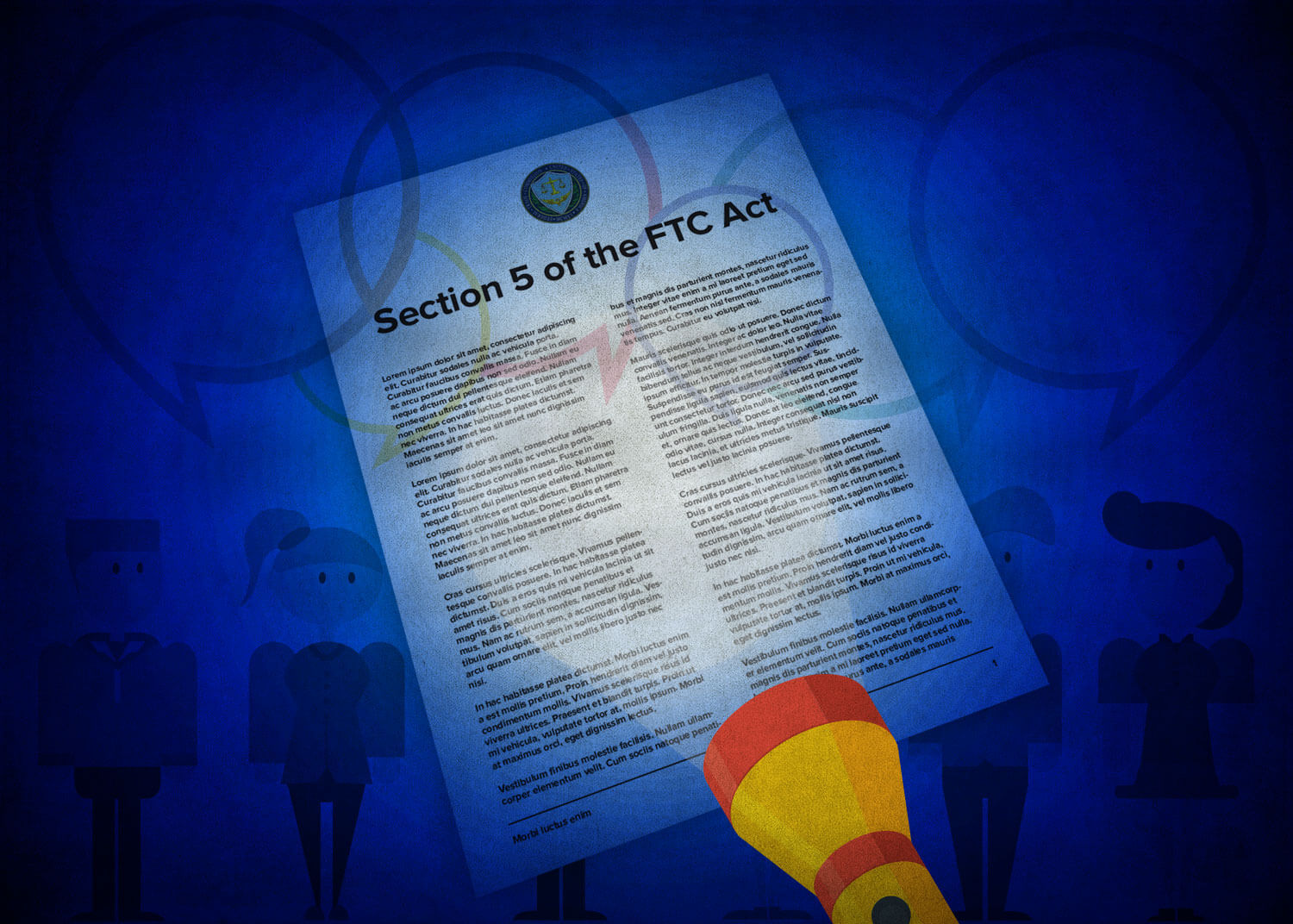
FPF Panel will Shine Light on FTC's Authority
Data privacy and security regulators don’t always agree. That’s no surprise to those observing the discussions that have followed the European Court of Justice’s decision to invalidate the adequacy of the EU-U.S. Safe Harbor framework. But the disputes aren’t always global. Sometimes regulators from the same country, working in the same agency, disagree about how to […]
The Hill Features FPF's Comments on Safe Harbor
Today the US political news website The Hill carried an opinion piece by Future of Privacy Forum staff on the EUCJ’s Safe Harbor ruling. Executive Director Jules Polonetsky and Legal & Policy Fellow Bénédicte Dambrine write of the challenges the ruling creates for European companies, workers, students, and educational institutions, and asked that policymakers […]
End of Safe Harbor? Understanding the CJEU’s Decision and Its Implications
Legal background In Europe, the processing of personal data is governed by Directive 95/46/EC (the “Directive”) which sets forth rules under which data may be lawfully processed1.The transfer of personal data to third countries is restricted to countries that ensure an adequate level of protection2.While the Directive itself does not provide a definition of the […]
White House Consumer Privacy Bill Starts an Important Conversation
This afternoon the White House released a discussion draft of its Consumer Privacy Bill of Rights Act. Jules Polonetsky and Chris Wolf issued the following response: Today’s release of the text of Consumer Privacy Bill of Rights demonstrates the U.S.’s continuing commitment to advance privacy protection for consumers. Although the current system of FTC enforcement actions […]
Cross Border Privacy Rules Advance at Beijing Meetings
APEC’s Data Privacy Subgroup concluded its 2014 meetings in Beijing, China earlier this week. The Future of Privacy Forum participated in these meetings as a member of the U.S. delegation. The biggest development of the week was Canada’s submission of its Notice of Intent to participate in the Cross Border Privacy Rules (CBPR) system. After […]
Mexico Takes Step Toward Data Privacy Interoperability
Last week, the Mexican Institute for Federal Access to Information (IFAI) hosted an event in Mexico City to discuss the recently-announced “Parameters of Self-Regulation for the Protection of Personal Data.” FPF participated in this workshop along with representatives from the Mexican government, TRUSTe, EuroPriSe and the Better Business Bureau. As described in opening remarks by the Secretary for Data […]
Japan Approved to Participate in APEC’s Cross-Border Privacy Rules System
The Asia-Pacific Economic Cooperation (“APEC”) has approved Japan as its newest participant in the Cross-Border Privacy Rules (CBPR) system. The CBPR system is a voluntary program that establishes a baseline privacy certification process for the transfer of personal data among the 21 APEC member countries. To date, the United States, Mexico, and Japan have joined; […]