
Mobility-related technologies are evolving rapidly, transforming the safety and convenience of transportation. Many of these new features are enabled by the collection of new types of data, putting the topic of privacy in connected cars and other modes of transportation on the agenda of industry, policymakers, and regulators. Advancing sensible practices will be essential to ensure that the collection and use of this data is responsible, thoughtful, and communicated effectively to consumers.






FPF Testifies at NYC Taxi and Limousine Commission Hearing
Yesterday, Lauren Smith, FPF Policy Counsel testified at the NYC Taxi and Limousine Commission’s (TLC) hearing about its proposed rules that add new trip reporting requirements for for-hire vehicle (FHV) bases.

NYC Taxi & Limousine Commission Proposal Requiring Drop-Off Location Data Raises Privacy Concerns
On Monday, the Future of Privacy Forum joined with the Center for Democracy & Technology, the Electronic Frontier Foundation, The Constitution Project, and Tech Freedom to write the NYC Taxi and Limousine Commission (TLC) about its proposed rules that add new trip reporting requirements for for-hire vehicle (FHV) bases.

Uber and Location Permission
Uber recently announced that its iOS app will require access to location data either “Always” or “Never.” Given some of the confusion about the change, we are writing to help consumers better understand what Uber modified and why.
FPF Comments on NHTSA’s Federal Automated Vehicles Policy
Today, the Future of Privacy Forum submitted comments regarding the Department of Transportation’s National Highway Traffic Safety Administration Request for Comment on the Federal Automated Vehicles Policy guidance published in the Federal Register on September 23, 2016.

Georgetown – FPF: Valuable Partnership and Talent Channel
Each of the last three years, FPF has taken a top Georgetown student and immersed them in the world of privacy. FPF fellows collaborate with advocates, academics, and companies and handle projects that lead to best practices, white papers, codes of conduct, and the like.
First Take: Privacy in the Federal Automated Vehicles Policy
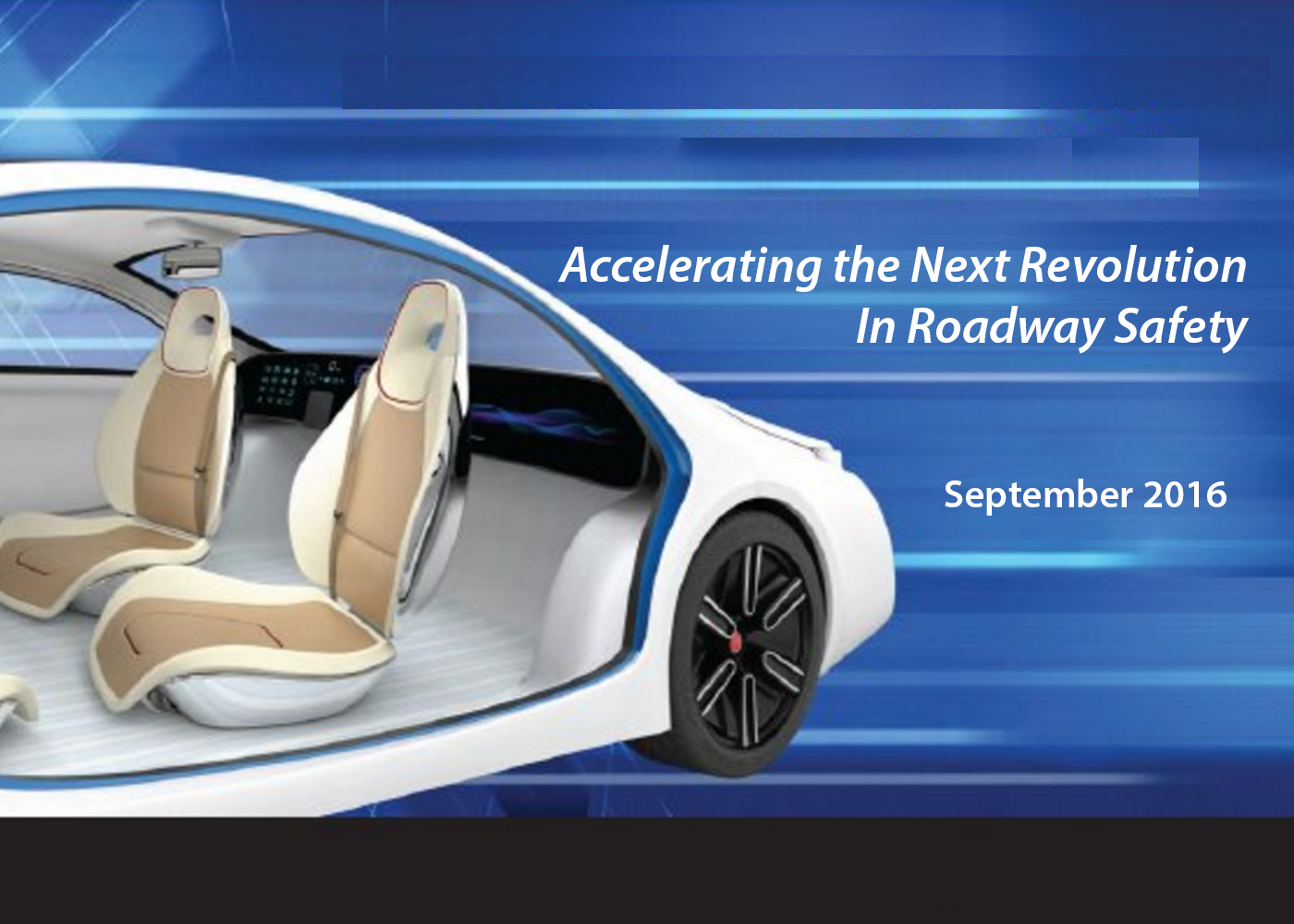
In the federal guidance for autonomous vehicles issued yesterday, the Department of Transportation and the National Highway Traffic Safety Administration have wisely recognized that privacy will play a key role in promoting trust in connected vehicles. This guidance and its emphasis on privacy is an important first step in building that trust.
FPF Statement on the Department of Transportation's Federal Automated Vehicles Policy
NHTSA has wisely recognized that privacy will play a key role in promoting trust in connected vehicles. Today’s guidance is an important first step in building that trust. A future in which new kinds of mobility will expand transportation opportunities for all segments of society will depend on broad collection and use of data to ensure maximum safety and convenience for consumers.
Data and the Future of Mobility: September 14 in San Jose, CA
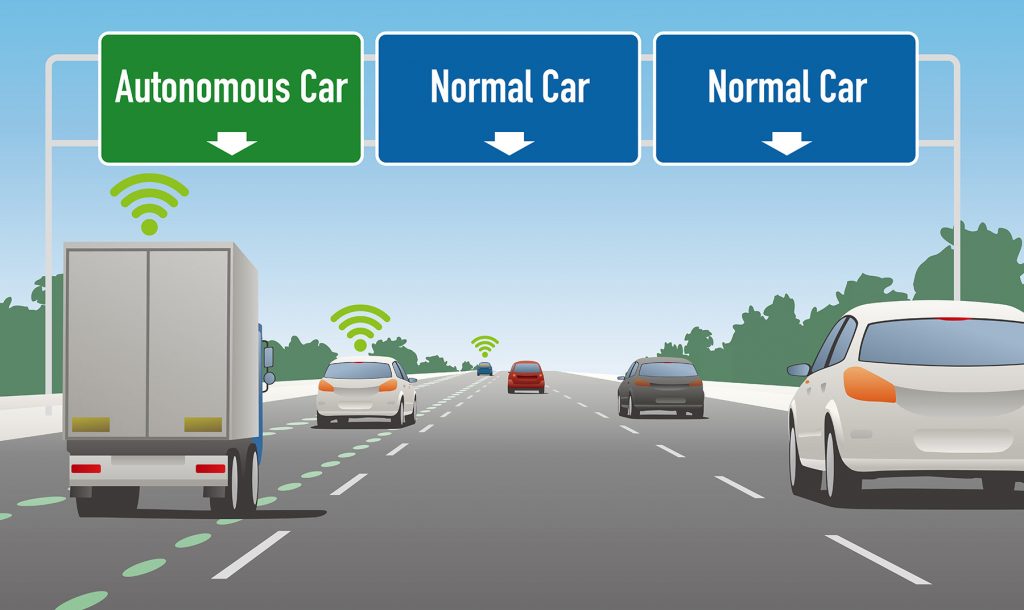
Join the Future of Privacy Forum for a roundtable: “Data and The Future of Mobility.” Technology is transforming the safety and convenience of the vehicles in which we ride and drive. Along the way, Silicon Valley has become a major hub for auto manufacturers, technology companies, and other entities looking to innovate in the transportation space. Join us in San Jose for a roundtable discussion on data and the future of mobility.

FPF, Intel, and PrecisionHawk Release Drones and Privacy by Design: Embedding Privacy Enhancing Technology in Unmanned Aircraft
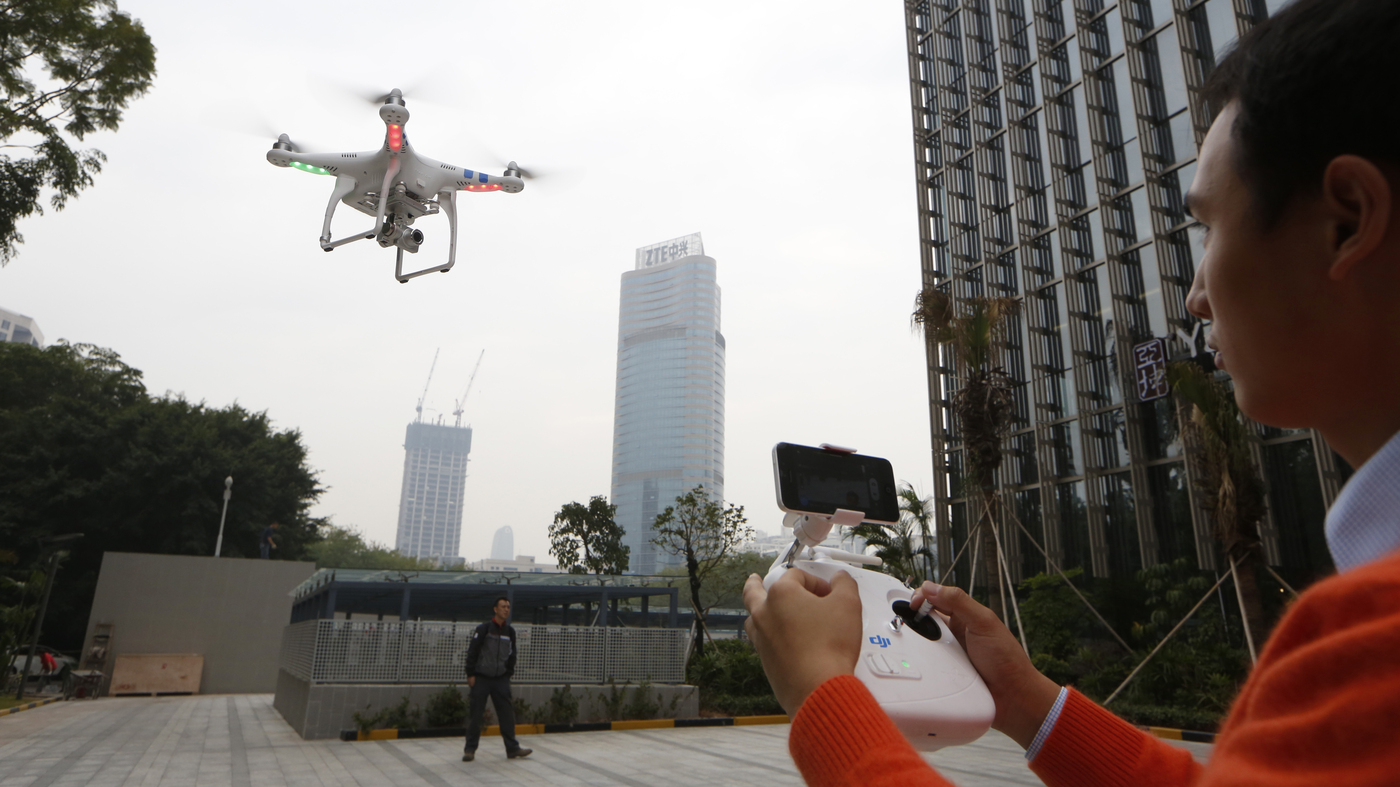
Washington, DC – Today, in response to the Administration’s call-to-action on privacy protections related to drone operations, Future of Privacy Forum (FPF), Intel, and PrecisionHawk released Drones and Privacy by Design: Embedding Privacy Enhancing Technology in Unmanned Aircraft. The report highlights examples of privacy enhancing technologies and “Privacy-by-Design” applied to drones.
Privacy to Enable “Drones for Good”
In her recent blog, Paula J. Bruening, Senior Counsel for Global Privacy Policy, Intel, highlights the work of the National Telecommunications and Information Administration multi-stakeholder working group and the best practices it released on drone privacy, transparency, and accountability, especially as it enables the deployment of drones for purposes that will benefit society.