
Privacy Enhancing Technologies (PETs) are crucial for safeguarding individual privacy while enabling socially beneficial research, data sharing, and advancements in sectors that collect or use sensitive data. As AI systems increasingly rely on vast amounts of data, PETs like differential privacy, homomorphic encryption, federated learning, zero-knowledge proofs, and even model contract clauses can help ensure that personal data remains confidential and secure. This is vital not only for protecting individual rights but also for earning and maintaining public trust in technologies that use data about people.
Ethically implementing PETs is also essential. PETs must be designed and deployed to protect marginalized groups and avoid practices that may appear to be privacy-preserving, but actually exploit sensitive data or undermine privacy. In addition, clear policy guidelines on the deployment of PETs are necessary to help make sound business cases for their use in industry. If PETs are ethically integrated into research and business practices, and if global regulators have an opportunity to support their appropriate deployment, there is enormous potential for increasing technological innovation and societal benefits while upholding privacy and public trust.
FPF supports the development of PETs, convenes experts from around the world to deploy best practices, and provides in-depth analysis of emerging technologies and their policy implications. FPF also leads the National Science Foundation and Department of Energy-funded Research Coordination Network for the use of PETs to advance socially beneficial data sharing and protect people’s privacy as data is increasingly used to train AI models. FPF also facilitates a Global PETs Network of regulators who are interested in the lawful and ethical implementation of these tools.






“Are crumbles all that remains of the cookies?” A conversation on the future of ad tech at the Nordic Privacy Arena 2021
On September 27 and 28, 2021, the Swedish Data Protection Forum (Forum för Dataskydd) hosted the 2021 edition of the Nordic Privacy Arena (“Operationalising Data Privacy – Challenges, best practices, and success stories”) in Stockholm, Sweden. This hybrid event brought together privacy practitioners, watchdogs, and academics to debate some of the most pressing issues regarding […]
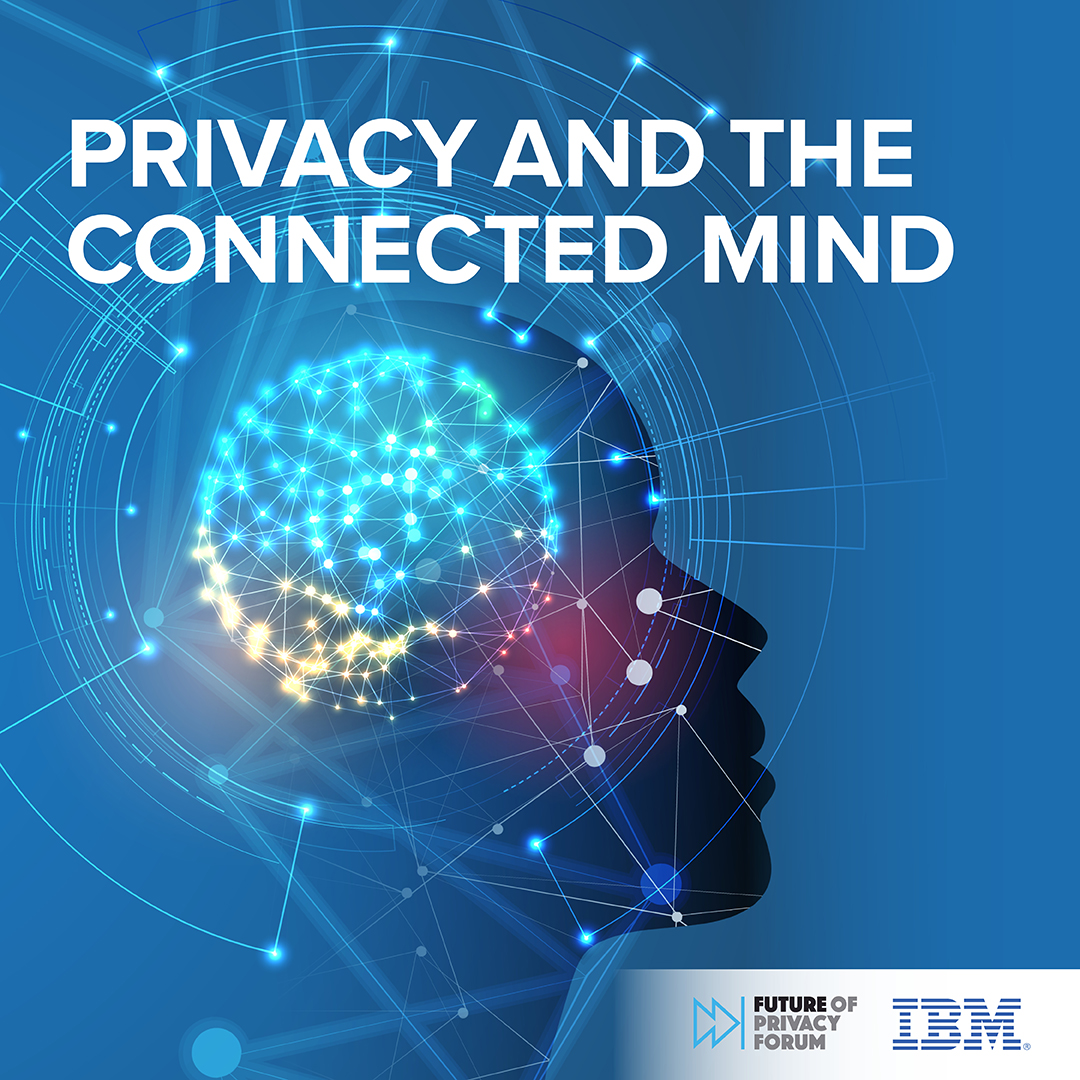
Organizations must lead with privacy and ethics when researching and implementing neurotechnology: FPF and IBM Live event and report release
A New FPF and IBM Report and Live Event Explores Questions About Transparency, Consent, Security, and Accuracy of Data The Future of Privacy Forum (FPF) and the IBM Policy Lab released recommendations for promoting privacy and mitigating risks associated with neurotechnology, specifically with brain-computer interface (BCI). The new report provides developers and policymakers with actionable […]

FPF Files Comments on CPRA Initial Rulemaking
Yesterday, the Future of Privacy Forum filed comments with the California Privacy Protection Agency on the initial rulemaking under the California Privacy Rights Act (CPRA). The CPRA, which comes into effect in 2023, provides protections for sensitive personal information, expands the California Consumer Privacy Act’s opt-out rights, and requires businesses to provide mechanisms for individuals […]

Brain-Computer Interfaces: Privacy and Ethical Considerations for the Connected Mind
BCIs are computer-based systems that directly record, process, analyze, or modulate human brain activity in the form of neurodata that is then translated into an output command from human to machine. Neurodata is data generated by the nervous system, composed of the electrical activities between neurons or proxies of this activity. When neurodata is linked, or reasonably linkable, to an individual, it is personal neurodata.

Insights into the Future of Data Protection Enforcement: Regulatory Strategies of European Data Protection Authorities for 2021-2022
The Future of Privacy Forum released a report that brings “Insights into the future of data protection enforcement: Regulatory strategies of European Data Protection Authorities for 2021-2022”. The European Data Protection Authorities (DPAs) are arguably the most powerful data protection and privacy regulators in the world, having been granted by the European Union’s General Data […]
Stanford Medicine & Empatica, Google and Its Academic Partners Receive FPF Award for Research Data Stewardship
The second-annual FPF Award for Research Data Stewardship honors two teams of researchers and corporate partners for their commitment to privacy and ethical uses of data in their efforts to research aspects of the COVID-19 pandemic. One team is a collaboration between Stanford Medicine researchers led by Tejaswini Mishra, PhD, Professor Michael Snyder, PhD, and […]

FPF Issues Award for Research Data Stewardship to Stanford Medicine & Empatica, Google & Its Academic Partners
WASHINGTON, DC (June 29, 2021) – The second-annual FPF Award for Research Data Stewardship honors two teams of researchers and corporate partners for their commitment to privacy and ethical uses of data in their efforts to research aspects of the COVID-19 pandemic. One team is a collaboration between Stanford Medicine researchers led by Tejaswini Mishra, PhD, Professor […]
Google: COVID-19 Community Mobility Reports
Google has been recognized with the second-annual FPF Award for Research Data Stewardship for its work to produce, aggregate, anonymize, and share data on community movement during the COVID-19 pandemic. Google’s Community Mobility Reports go through a robust anonymization process that employs differential privacy techniques to ensure that personal data, including an individual’s location, movement, […]
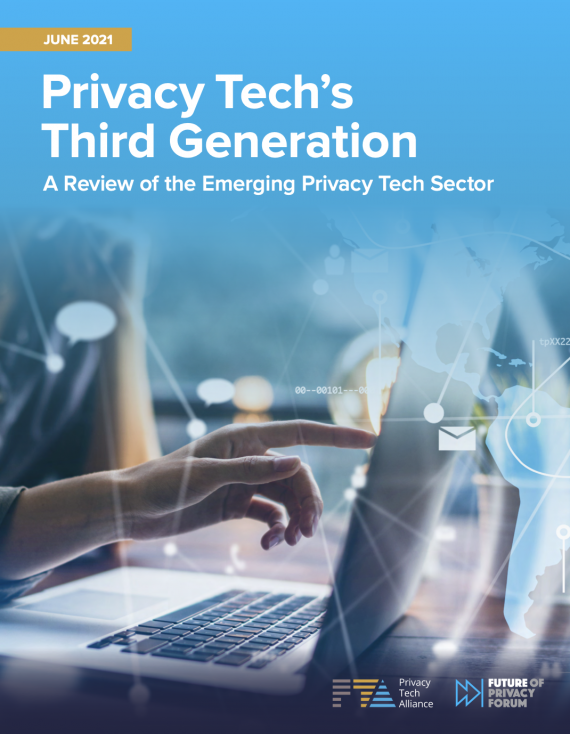
New FPF Report Highlights Privacy Tech Sector Evolving from Compliance Tools to Platforms for Risk Management and Data Utilization
As we enter the third phase of development of the privacy tech market, purchasers are demanding more integrated solutions, product offerings are more comprehensive, and startup valuations are higher than ever, according to a new report from the Future of Privacy Forum and Privacy Tech Alliance. These factors are leading to companies providing a wider […]

FPF partners with FCBA -The Tech Bar and LOEB & LOEB to Launch New Law Student Diversity Internship
FPF and The Tech Bar announced the FPF Loeb & Loeb Diversity Pipeline Internship, a first of its kind partnership among three organizations committed to diversity, equity, and inclusion in the legal and policy profession, especially in the technology, media, and telecom (TMT) sector. The inaugural FPF Loeb & Loeb Diversity Pipeline intern will join approximately […]