
Connected technologies and always-on data flows are helping make today’s cities and communities more livable, productive, and sustainable. At the same time, these technologies raise concerns about individual privacy, freedom of choice, and institutional discrimination. How do we leverage the benefits of a data-rich society while giving members of our community the confidence of knowing their privacy is protected? How can we address pressing local problems — from housing to highways, potholes to policing — and deliver public services in equitable, privacy-conscious ways?
Working collaboratively with public, private, academic, and civil society leaders, FPF builds tools and best practices to guide how cities and local communities collect, manage, and use personal data to improve services for individuals. A cornerstone of this work is FPF’s Civic Privacy Leaders Network, a peer network supported by the National Science Foundation that brings together privacy leaders from 30+ local governments across the U.S. and Canada to navigate emerging privacy issues, share practical guidance, and promote fair and transparent data practices.
Visit the Smart Communities Resources web page for a comprehensive list of FPF’s ongoing work in this area.





Future of Privacy Forum Releases Interactive Tool for Understanding the Technologies Powering Smart Cities
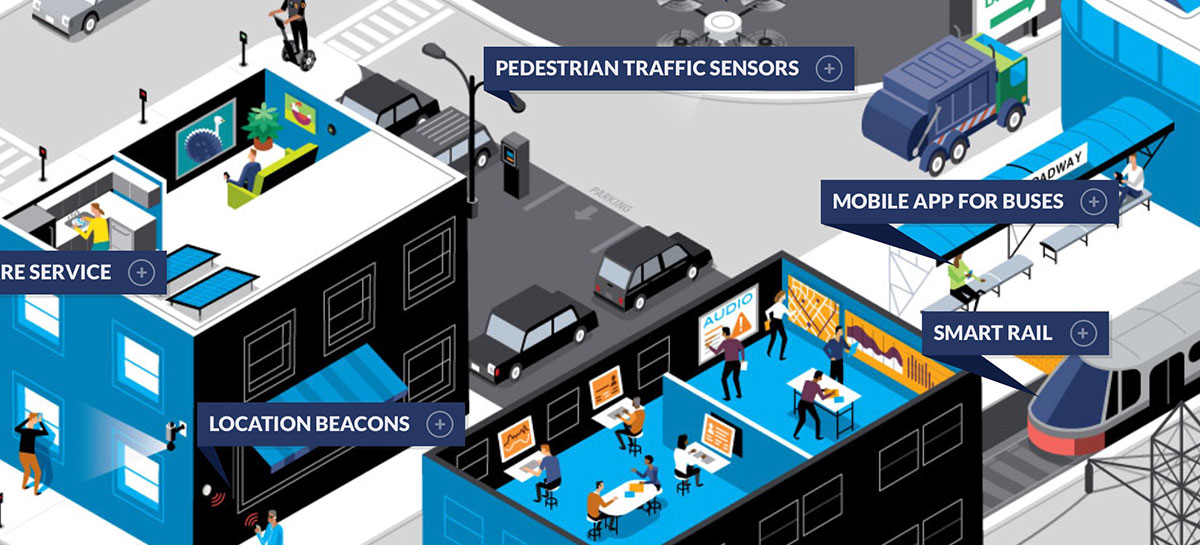
Brussels, Belgium – Today, the Future of Privacy Forum (FPF) released Shedding Light on Smart City Privacy, a new tool designed to help citizens, companies, and communities understand the technologies at the heart of smart city and smart community projects as well as their potential impact on privacy. The guide was released by FPF Policy Counsel, Kelsey Finch, during the panel Cities of the Future, Data of the Present: Protecting Privacy and Fostering Development at RightsCon Brussels, a conference exploring the societal impact of technology and policy.
Smart Cities
Cities and communities generate data through a vast and growing network of connected technologies that power new and innovative services ranging from apps that can help drivers find parking spots to sensors that can improve water quality. Such services improve individual lives and make cities more efficient. While smart city technologies can raise privacy issues, sophisticated data privacy programs can mitigate these concerns while preserving the benefits of cities that are cleaner, faster, safer, more efficient, and more sustainable.

FPF Comments on NITRD’s Smart Cities and Communities Federal Strategic Plan
Last week, Future of Privacy Forum (FPF) submitted comments regarding the National Coordination Office for Networking and Information Technology Research and Development’s (NITRD) Request for Comment on the Draft Smart Cities and Communities Federal Strategic Plan, published in the Federal Register on January 9, 2017.

FPF Welcomes New Senior Fellow
FPF is pleased to welcome Henry Claypool as a senior fellow. Henry is currently Policy Director at the Community Living Policy Center at the University of California, San Francisco. He is the former Director of the U.S. Department of Health and Human Services Office on Disability and a founding Principal Deputy Administrator of the Administration for Community Living.
The 2nd Annual FPF Tech Lab Open House | April 18, 2017 in Washington, DC
The 2nd Annual FPF Tech Lab Open House is an opportunity for us to welcome our members, friends, and colleagues in town for the IAPP Global Privacy Summit. Hosted at our home office in Washington, DC, this event provides a rare occasion for policymakers, regulators, and thought leaders to interact with the latest in privacy-impacting gadgets and new technologies.

Looking Back at Smart Cities Week at FPF
If you’ve been in Washington, DC this week, you may have noticed a certain buzz in the air – and not just from the wifi-connected streetlights on Pennsylvania Avenue. It’s Smart Cities Week, and D.C. has been humming all week with urban leaders, leading companies, tech and civic innovators, open data gurus, and advocates and academics from all around the globe.
July 20th Event: Kids & The Connected Home
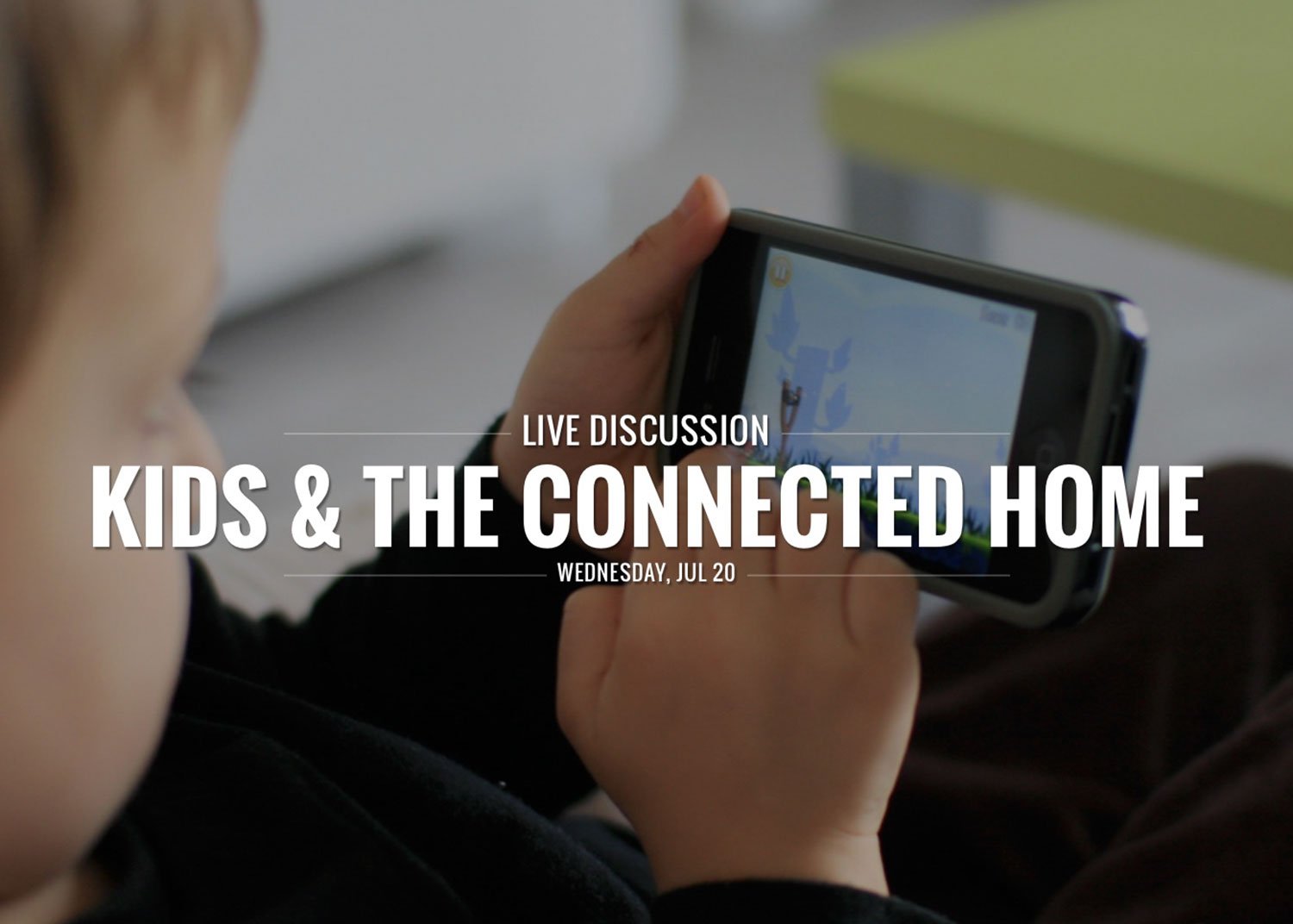
The debate over the relationship between children and technology has been heated and complex. Issues ranging from the right amount of screen time, online privacy, safety and security have occupied policymakers, parents, and advocates for quite some time.

Protecting privacy and promoting inclusion with the 'Internet of Things'
To technologists and innovators, the “Internet of Things” (IoT) represents a world of exciting new benefits that will solve important technical and social problems. To critics, IoT represents a world of pervasive surveillance, with toys that spy on kids and microphone-enabled devices recording and retaining our most personal data.

Samsung Electronics Vice Chairman Traveling to the United States for Internet of Things – Transforming the Future Conference
On June 21, 2016, Samsung will host its inaugural “Internet of Things – Transforming the Future” conference at the Washington Post, during which the company will lay out its vision for a human-centered approach to the Internet of Things (IoT) that focuses on the outcomes the technology will create for people and societies across the globe.

Department of Commerce Director of Privacy Initiatives Joins the Future of Privacy Forum
Washington, DC – Today, the Future of Privacy Forum (FPF) announced that John Verdi will join the organization as Vice President of Policy to lead the development of its rapidly growing privacy policy portfolio. Verdi will be responsible for furthering FPF’s efforts to advance responsible privacy practices.