
Across the United States, evolving data collection and processing practices and advances in artificial intelligence are driving new digital services, technologies, and socially beneficial research – while also raising new opportunities, risks, and questions for individuals and communities. In response, state and federal policymakers are considering new legislative and regulatory frameworks on three interconnected fronts: comprehensive consumer privacy laws that establish baseline rights and protections for personal data across the economy; frameworks that target specific sectors and practices such as automated decisionmaking, biometric identification, companion chatbots, data-driven pricing, data brokerage, frontier AI model safety, genetic data, and health data; and youth-specific privacy and online safety laws that set distinct rules for minors. These three tracks rarely stay in their lanes: a comprehensive privacy law may include AI provisions, an AI safety bill may carve out rules for minors, a youth online safety law may hinge on biometric age verification. Understanding the landscape requires understanding both the individual pieces and how they fit together.
FPF’s U.S. Legislation team provides expert, independent, pragmatic analysis of state and federal legislative and regulatory approaches to privacy, AI, and youth online safety – three distinct but increasingly intertwined issue areas. The team tracks emerging proposals, compares new laws against existing frameworks, analyzes implementation and compliance implications, and helps policymakers and stakeholders understand how legal requirements interact with current technologies, business practices, and data uses.
Through reports, blog posts, legislative and policy analyses, webinars, in-person and virtual peer-to-peer gatherings, and educational programs, FPF helps the broader technology policy and governance community understand the mechanisms and strategies available to protect privacy, promote responsible AI development and deployment, and advance youth online safety. FPF does not typically support or oppose particular bills. Instead, the U.S. Legislation team focuses on explaining the practical and legal implications of proposals – individually and as they interact with one another. This work helps ensure that privacy, AI, and youth safety compliance and policy strategies remain future-looking, adaptable, and workable for the continued, beneficial use of data and AI.
FPF’s U.S. Legislation team is led by Tatiana Rice, Senior Director.




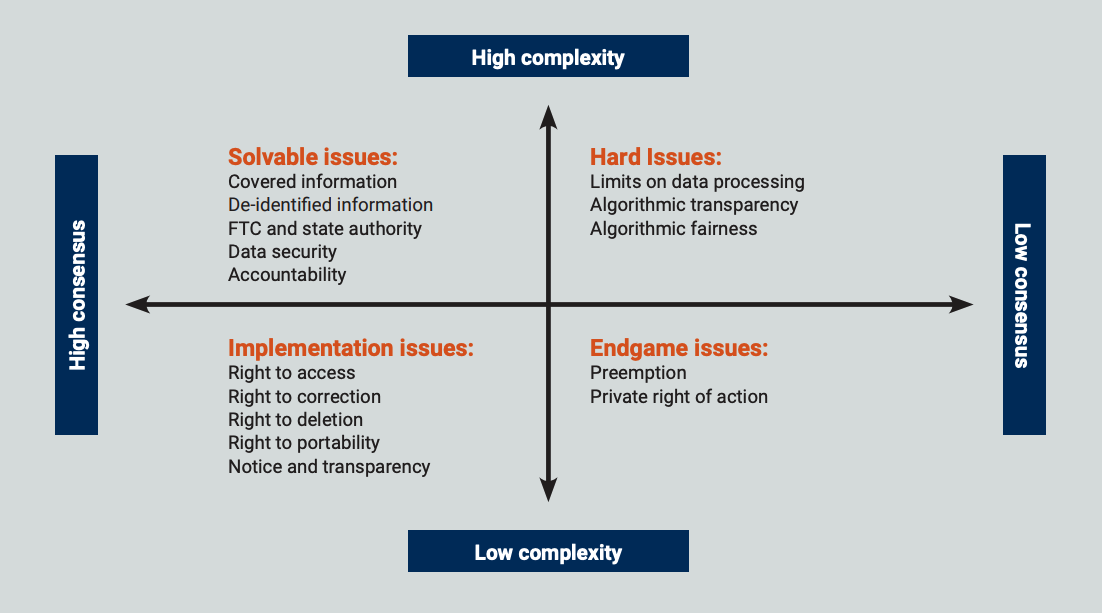
Endgame Issues: New Brookings Report on Paths to Federal Privacy Legislation
Authors: Stacey Gray, Senior Counsel (US Legislation and Policymaker Education), Polly Sanderson, Policy Counsel This afternoon, The Brookings Institution released a new report, Bridging the gaps: A path forward to federal privacy legislation, a comprehensive analysis of the most challenging obstacles to Congress passing a comprehensive federal privacy law. The report includes a detailed range […]
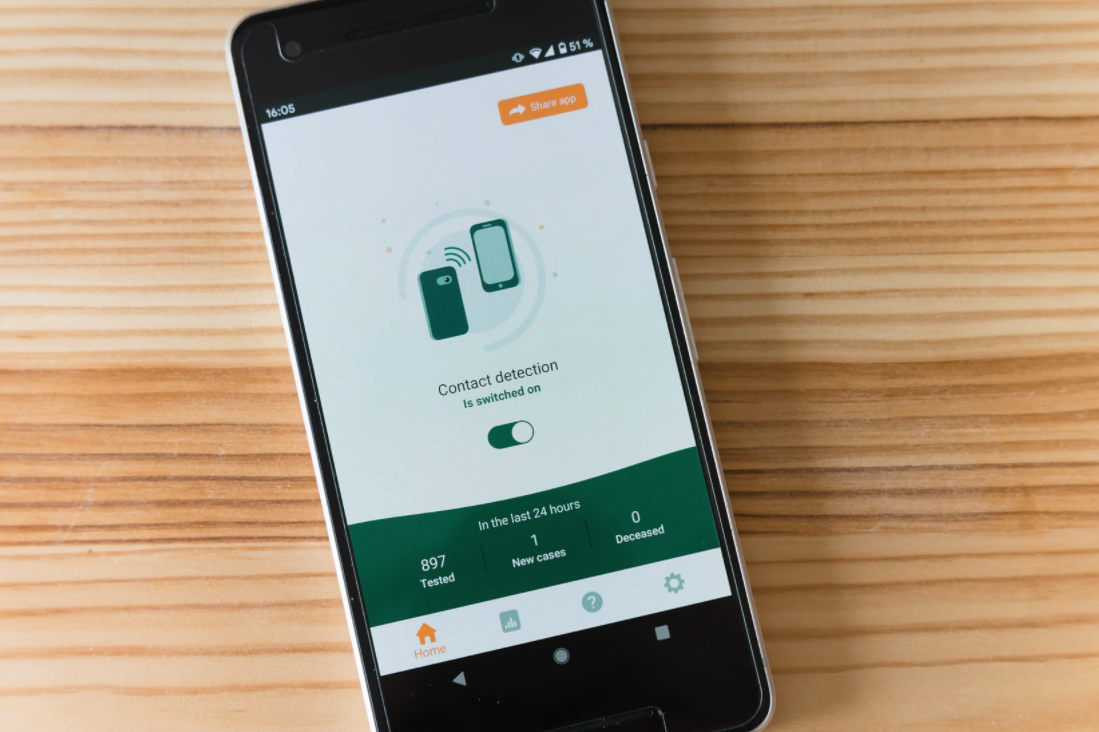
Bipartisan Privacy Bill Would Govern Exposure Notification Services
Authors: Stacey Gray, Senior Counsel; Katelyn Ringrose, Christopher Wolf Diversity Law Fellow; and Polly Sanderson, Policy Counsel Yesterday, Senators Cantwell (D-WA), Cassidy (R-LA), and Klobuchar (D-MN) introduced a new COVID-19 data protection bill, the Exposure Notification Privacy Act, which would create legal limits for “automated exposure notification services.” The bill comes on the heels of […]
Newly Released COVID-19 Privacy Bills Would Regulate Pandemic-Related Data
By Pollyanna Sanderson (Policy Counsel), Stacey Gray (Senior Policy Counsel) & Katelyn Ringrose (Christopher Wolf Diversity Law Fellow) Yesterday afternoon, leading House and Senate Democrats introduced the Public Health Emergency Privacy Act. The Democratic-led bill, which was introduced by Senators Blumenthal and Warner, as well as Representatives Eshoo, Schakowsky and DelBene, follows the May 10th […]
FPF Provides Senate Testimony on Strategies to Mitigate Privacy Risks of Using Data to Combat COVID-19
Future of Privacy Forum (FPF) Senior Counsel Stacey Gray today provided the Senate Committee on Commerce, Science, and Transportation with written testimony, including recommendations based on how experts in the U.S. and around the world are currently mitigating the risks of using data to combat the COVID-19 pandemic. “The collection and use of data, including personal […]

A Closer Look at Genetic Data Privacy and Nondiscrimination in 2020
Florida lawmakers recently introduced HB 1189/SB 1564 – a bill that would prohibit life and long-term care insurers from basing coverage and rates or denying coverage based on individuals’ genetic information. Washington State lawmakers are considering a bill, HB 2485, that would prohibit life insurance companies and others from obtaining individuals’ genetic information from direct-to-consumer […]

Close to the Finish Line: Observations on the Washington Privacy Act
By: Stacey Gray and Gabriela Zanfir-Fortuna * We wrote last week that Washington State seems poised to become the second US state to pass a major comprehensive privacy bill. The proposed Washington Privacy Act (WPA) would be mostly aligned with the EU’s GDPR, the global gold standard for data protection (although there are still some […]
The 10th Annual Privacy Papers for Policymakers Event
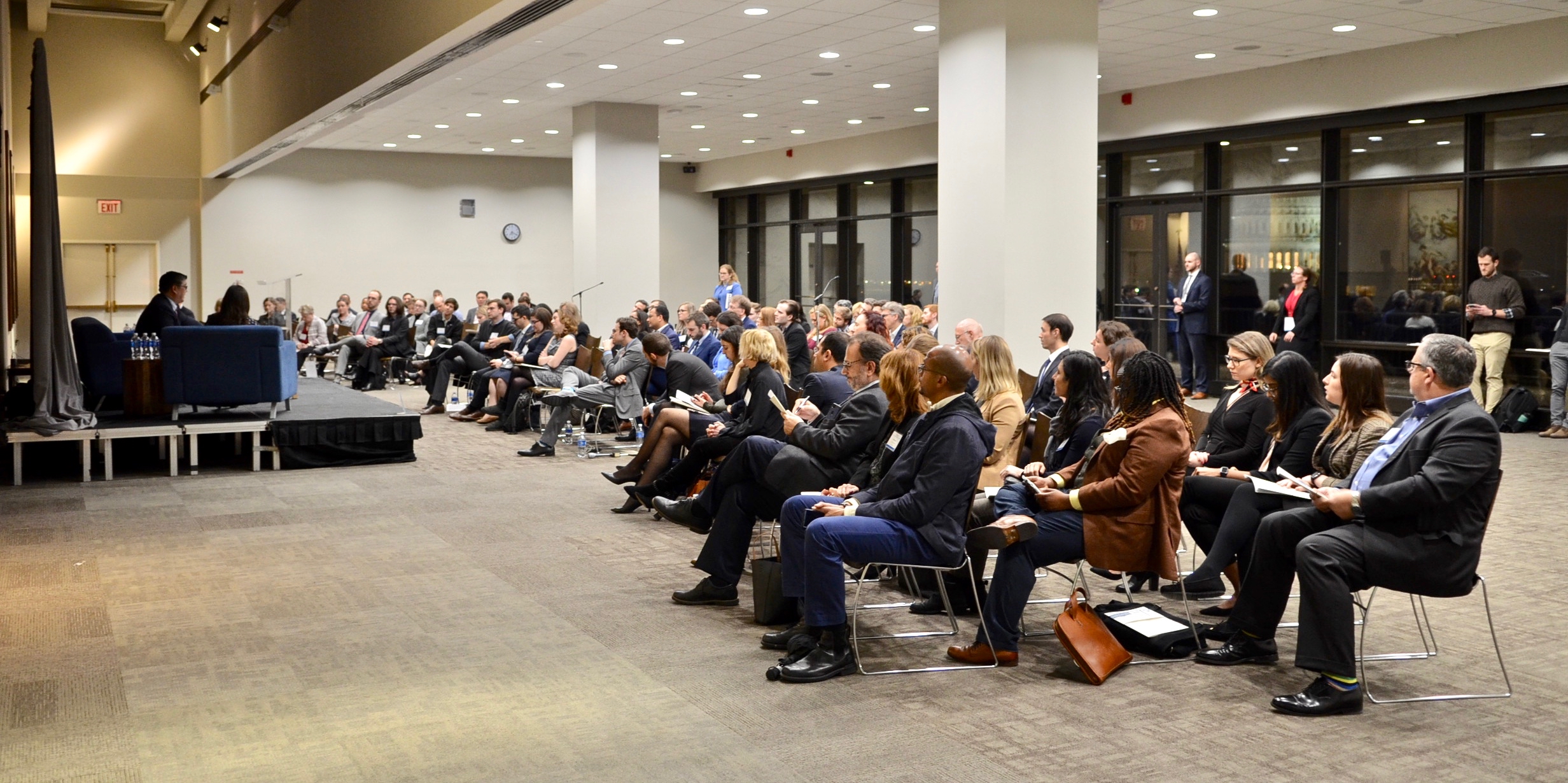
The Future of Privacy Forum’s 10th annual Privacy Papers for Policymakers event was a hit! This year’s event featured a keynote speech by FTC Commissioner Christine S. Wilson and facilitated discussions between the winning authors – Ignacio Cofone, Neil Richards, Margot Kaminski, Gianclaudio Malgieri, Arunesh Mathur, and Paul Ohm – and policy and regulatory staff, […]
FPF Submits Written Statement to the U.S. House Committee on Financial Services Task Force on AI
This week, Future of Privacy Forum (FPF) Senior Counsel and Director of AI & Ethics Brenda Leong submitted a written statement on the use of artificial intelligence and machine learning-based applications in financial products and services. Addressed to the House Committee on Financial Services Task Force on Artificial Intelligence, the statement explores how to protect […]
A New U.S. Model for Privacy? Comparing the Washington Privacy Act to GDPR, CCPA, and More
By Stacey Gray, Pollyanna Sanderson, and Katelyn Ringrose Download a printable version of this report (pdf). As Congress continues to work toward drafting and passing a comprehensive national privacy law, state legislators are not slowing down. In Washington State, a new comprehensive privacy law is moving quickly: last week, the Washington Privacy Act (SSB 6281) […]
New “Privacy 101” Video Series Helps School District Leaders Protect Student Data
New FPF video series provides best practices and tips on how schools can protect student privacy