
Across the United States, evolving data collection and processing practices and advances in artificial intelligence are driving new digital services, technologies, and socially beneficial research – while also raising new opportunities, risks, and questions for individuals and communities. In response, state and federal policymakers are considering new legislative and regulatory frameworks on three interconnected fronts: comprehensive consumer privacy laws that establish baseline rights and protections for personal data across the economy; frameworks that target specific sectors and practices such as automated decisionmaking, biometric identification, companion chatbots, data-driven pricing, data brokerage, frontier AI model safety, genetic data, and health data; and youth-specific privacy and online safety laws that set distinct rules for minors. These three tracks rarely stay in their lanes: a comprehensive privacy law may include AI provisions, an AI safety bill may carve out rules for minors, a youth online safety law may hinge on biometric age verification. Understanding the landscape requires understanding both the individual pieces and how they fit together.
FPF’s U.S. Legislation team provides expert, independent, pragmatic analysis of state and federal legislative and regulatory approaches to privacy, AI, and youth online safety – three distinct but increasingly intertwined issue areas. The team tracks emerging proposals, compares new laws against existing frameworks, analyzes implementation and compliance implications, and helps policymakers and stakeholders understand how legal requirements interact with current technologies, business practices, and data uses.
Through reports, blog posts, legislative and policy analyses, webinars, in-person and virtual peer-to-peer gatherings, and educational programs, FPF helps the broader technology policy and governance community understand the mechanisms and strategies available to protect privacy, promote responsible AI development and deployment, and advance youth online safety. FPF does not typically support or oppose particular bills. Instead, the U.S. Legislation team focuses on explaining the practical and legal implications of proposals – individually and as they interact with one another. This work helps ensure that privacy, AI, and youth safety compliance and policy strategies remain future-looking, adaptable, and workable for the continued, beneficial use of data and AI.
FPF’s U.S. Legislation team is led by Tatiana Rice, Senior Director.





Award-Winning Paper: "Dark Patterns at Scale: Findings from a Crawl of 11K Shopping Websites"
For the tenth year, FPF’s annual Privacy Papers for Policymakers program is presenting award-winning research to lawmakers and regulators. Among the papers to be honored at an event at the Hart Senate Office Building on February 6, 2020 is Dark Patterns at Scale: Findings from a Crawl of 11K Shopping Websites by Arnuesh Mathur, Gunes […]
ICYMI: FPF Webinar Examines Policies to Protect Child Privacy Online
FPF experts share updates on the “evolving space” of child privacy
ICYMI: Future of Privacy Forum Highlights Potential “Unintended Consequences” of Child Privacy Policies at TechFreedom Event
FPF Director of Youth & Education Privacy Amelia Vance calls for a focus on improving practicality and clarity around the implementation of new child privacy provisions

Child Privacy Protections Compared: California Consumer Privacy Act v. Proposed Washington Privacy Act
As legislatures consider enacting broad consumer privacy legislation, officials must consider whether, and how, to address children’s and teen’s privacy. The leading models for addressing consumer privacy contain language addressing child privacy that differs in significant ways. Many states have introduced legislation that mirrors the framework of the California Consumer Privacy Act (CCPA). The proposed Washington Privacy Act (SB 6281) has also emerged as an influential framework. CCPA and SB 6281 differ in many respects, including with regard to child privacy. As described below, the frameworks take different approaches to the age of youth protected, the statutory knowledge standards, and the consumer rights granted.

Award-Winning Paper: "Privacy Attitudes of Smart Speaker Users"
For the tenth year, FPF’s annual Privacy Papers for Policymakers program is presenting to lawmakers and regulators award-winning research representing a diversity of perspectives, including those from students and academics. Among the papers to be honored at an event at the Hart Senate Office Building on February 6, 2020 is Privacy Attitudes of Smart Speaker […]
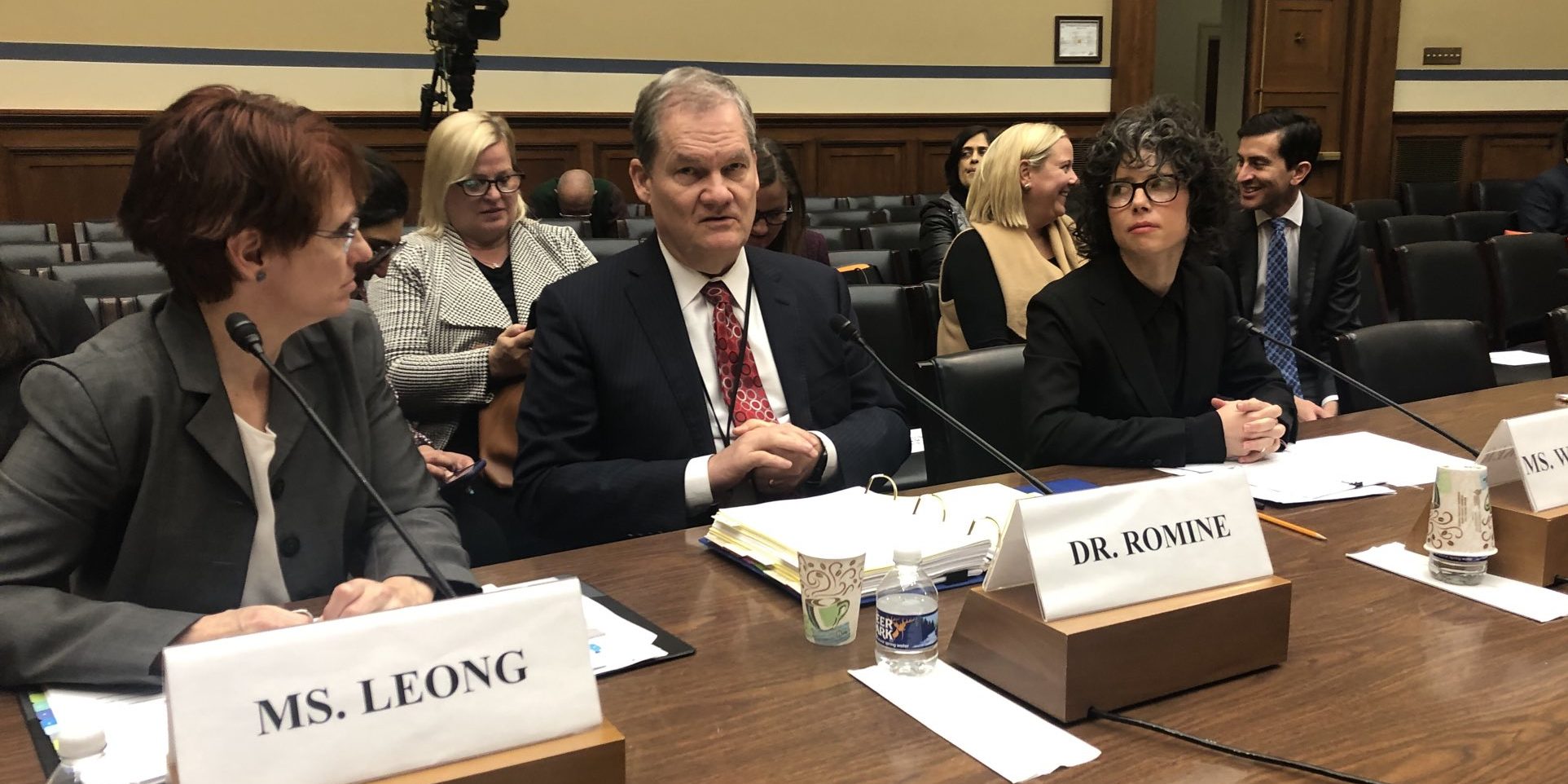
FPF Director of AI & Ethics Testifies Before Congress on Facial Recognition
FPF’s Brenda Leong calls on policymakers to balance privacy and ethical risks, and establish “opt-in” consent standard to protect consumer privacy.

Award-Winning Paper: "The Many Revolutions of Carpenter"
For the tenth year, FPF’s annual Privacy Papers for Policymakers program is presenting to lawmakers and regulators award-winning research representing a diversity of perspectives. Among the papers to be honored at an event at the Hart Senate Office Building on February 6, 2020 is The Many Revolutions of Carpenter by Paul Ohm of Georgetown University […]
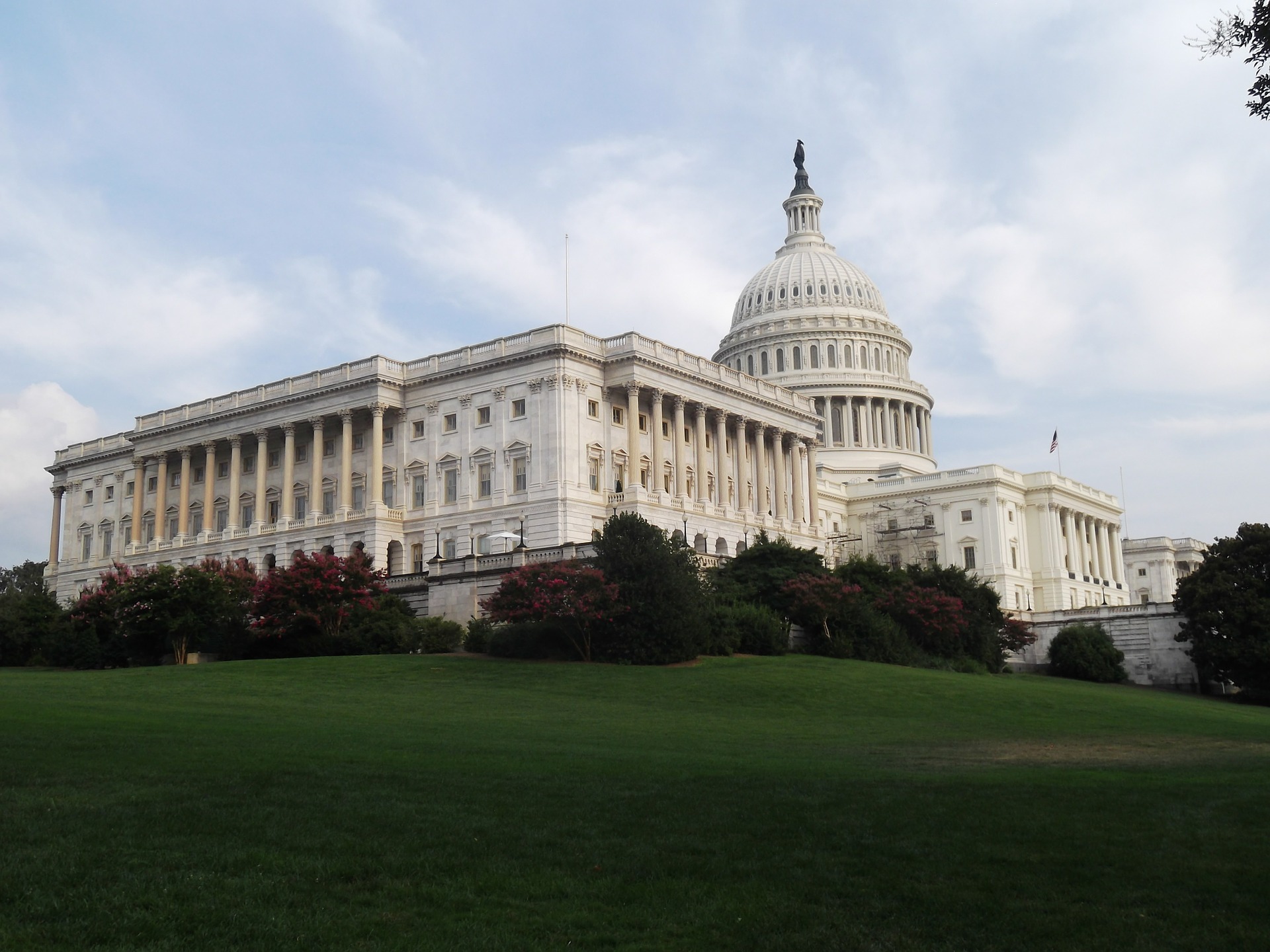
Future of Privacy Forum Releases Analysis of Washington Privacy Act
FPF CEO: “Most comprehensive state privacy legislation proposed to date” WASHINGTON, DC – January 13, 2020 – The Future of Privacy Forum today released an in-depth analysis of the Washington Privacy Act (Washington State Senate Bill 6281), as well as the following statement by Future of Privacy Forum CEO Jules Polonetsky about the bill: “The Washington […]
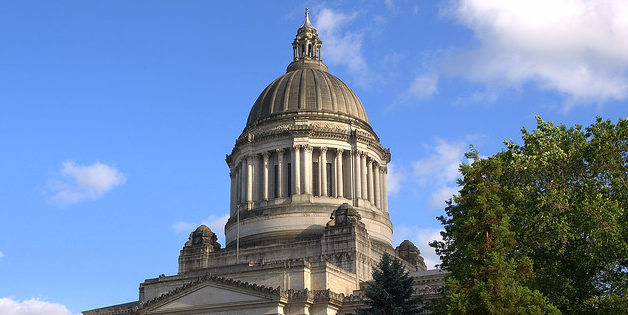
It’s Raining Privacy Bills: An Overview of the Washington State Privacy Act and other Introduced Bills
By Pollyanna Sanderson (Policy Counsel), Katelyn Ringrose (Christopher Wolf Diversity Law Fellow) & Stacey Gray (Senior Policy Counsel) Today, on the first day of a rapid-fire 2020 legislative session in the state of Washington, State Senator Carlyle has introduced a new version of the Washington Privacy Act (WPA). Legislators revealed the Act during a live press […]

Statement by Future of Privacy Forum CEO Jules Polonetsky on the Washington Privacy Act
WASHINGTON, DC – January 13, 2020 – Statement by Future of Privacy Forum CEO Jules Polonetsky regarding the introduction of the Washington Privacy Act (Washington State Senate Bill 6281): “The Washington Privacy Act is the most comprehensive state privacy legislation proposed to date. The bill addresses concerns raised last year and proposes strong consumer protections that […]