
Across the United States, evolving data collection and processing practices and advances in artificial intelligence are driving new digital services, technologies, and socially beneficial research – while also raising new opportunities, risks, and questions for individuals and communities. In response, state and federal policymakers are considering new legislative and regulatory frameworks on three interconnected fronts: comprehensive consumer privacy laws that establish baseline rights and protections for personal data across the economy; frameworks that target specific sectors and practices such as automated decisionmaking, biometric identification, companion chatbots, data-driven pricing, data brokerage, frontier AI model safety, genetic data, and health data; and youth-specific privacy and online safety laws that set distinct rules for minors. These three tracks rarely stay in their lanes: a comprehensive privacy law may include AI provisions, an AI safety bill may carve out rules for minors, a youth online safety law may hinge on biometric age verification. Understanding the landscape requires understanding both the individual pieces and how they fit together.
FPF’s U.S. Legislation team provides expert, independent, pragmatic analysis of state and federal legislative and regulatory approaches to privacy, AI, and youth online safety – three distinct but increasingly intertwined issue areas. The team tracks emerging proposals, compares new laws against existing frameworks, analyzes implementation and compliance implications, and helps policymakers and stakeholders understand how legal requirements interact with current technologies, business practices, and data uses.
Through reports, blog posts, legislative and policy analyses, webinars, in-person and virtual peer-to-peer gatherings, and educational programs, FPF helps the broader technology policy and governance community understand the mechanisms and strategies available to protect privacy, promote responsible AI development and deployment, and advance youth online safety. FPF does not typically support or oppose particular bills. Instead, the U.S. Legislation team focuses on explaining the practical and legal implications of proposals – individually and as they interact with one another. This work helps ensure that privacy, AI, and youth safety compliance and policy strategies remain future-looking, adaptable, and workable for the continued, beneficial use of data and AI.
FPF’s U.S. Legislation team is led by Tatiana Rice, Senior Director.






PrivacyNews.TV
FPF uses Facebook Live to discuss timely topics. Watch some of our previous videos here and be sure to tune in live for our next discussion!
The Top 10: Student Privacy News (Feb – July 2018)
The Future of Privacy Forum tracks student privacy news very closely, and shares relevant news stories with our newsletter subscribers.* Approximately every month, we post “The Top 10,” a blog with our top student privacy stories.
FPF Testifies Before Federal Commission on School Safety
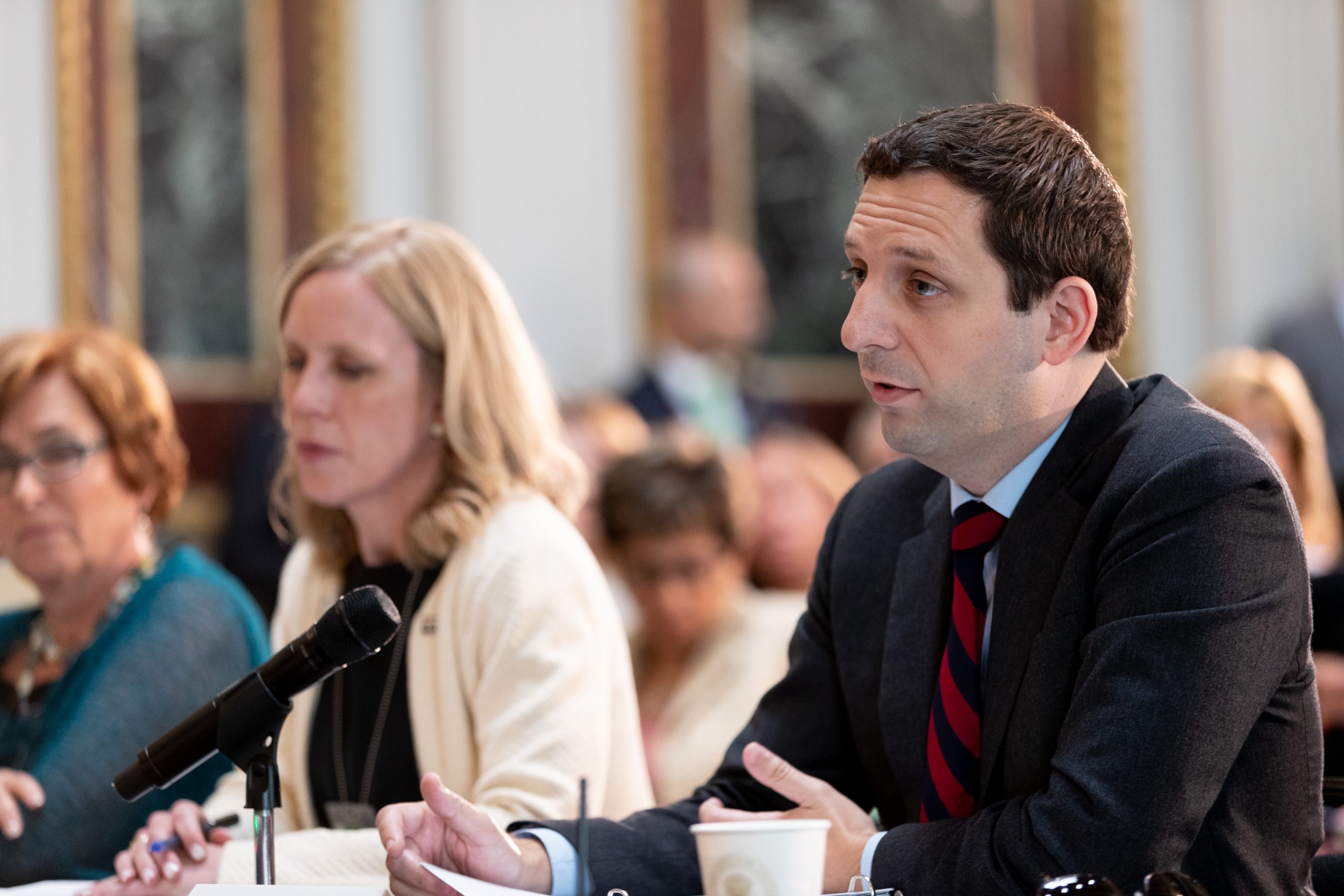
John Verdi, the Future of Privacy Forum’s Vice President of Policy, testified today before the Federal Commission on Student Safety meeting, “Curating a Healthier & Safer Approach: Issues of Mental Health and Counseling for Our Young.”
Privacy War Games | November 12 in San Jose
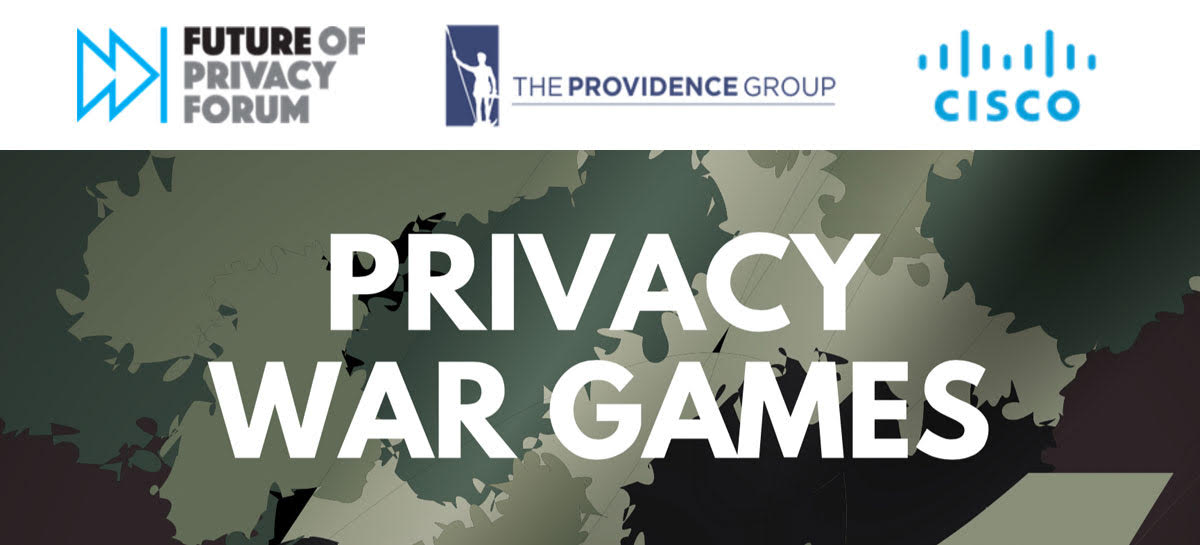
The Future of Privacy Forum & The Providence Group invite you to participate in the inaugural Privacy War Games event on November 12th, from 9:00 am – 4:00 pm, in San Jose, California. The event will take place at Cisco’s Headquarters, located at 255 West Tasman Drive, Building J, San Jose, CA 95134.

New Study on “the Marketplace for Student Data”
Fordham University’s Center on Law and Information Policy (CLIP) just released the study, “Transparency and the Marketplace for Student Data,” which examines the practices of data brokers who buy and sell information about students. In the study, the authors describe existing privacy laws, map the commercial marketplace, and describe the challenges of understanding how data about students is collected and used.

Ensuring School Safety While Also Protecting Privacy: FPF Testimony Before the Federal Commission on School Safety
Amelia Vance, FPF’s Director of Education Privacy, spoke today at the Federal Commission on Student Safety’s Listening Session. She asked that any Commission recommendations include the need for privacy “guardrails” around school safety measures to ensure that student privacy and equity are protected.
Dept of Ed: Parents, Not Minor Students, Must Consent to College Admissions Pre-Test Surveys and Data Sharing
Ed Tech vendors that use student data to provide services in schools must navigate a complicated legal landscape, including intertwining state and federal laws, all of which are designed to protect student privacy.

FPF Comments on Minnesota Student Privacy Bill HF 1507
Yesterday, the Future of Privacy Forum submitted written comments to members of the Minnesota House of Representatives in response to the pending student privacy bill, the Student Data Privacy Act (HF 1507). FPF expressed concerns about the proposed language of the bill, which would create conflicting requirements for schools and education technology companies, and likely cause unintended consequences for Minnesota schools and students.

Facebook and Cambridge Analytica: Statement by Jules Polonetsky, FPF CEO
We are pleased to see Facebook’s response, but are looking forward to understanding how to best address the broader issues for all stakeholders. These issues are important to discuss – they are not going away.

The Top 10 (& Federal Actions): Student Privacy News (November 2017-February 2018)
The Future of Privacy Forum tracks student privacy news very closely, and shares relevant news stories with our newsletter subscribers. Approximately every month, we post “The Top 10,” a blog with our top student privacy stories.