
Across the United States, evolving data collection and processing practices and advances in artificial intelligence are driving new digital services, technologies, and socially beneficial research – while also raising new opportunities, risks, and questions for individuals and communities. In response, state and federal policymakers are considering new legislative and regulatory frameworks on three interconnected fronts: comprehensive consumer privacy laws that establish baseline rights and protections for personal data across the economy; frameworks that target specific sectors and practices such as automated decisionmaking, biometric identification, companion chatbots, data-driven pricing, data brokerage, frontier AI model safety, genetic data, and health data; and youth-specific privacy and online safety laws that set distinct rules for minors. These three tracks rarely stay in their lanes: a comprehensive privacy law may include AI provisions, an AI safety bill may carve out rules for minors, a youth online safety law may hinge on biometric age verification. Understanding the landscape requires understanding both the individual pieces and how they fit together.
FPF’s U.S. Legislation team provides expert, independent, pragmatic analysis of state and federal legislative and regulatory approaches to privacy, AI, and youth online safety – three distinct but increasingly intertwined issue areas. The team tracks emerging proposals, compares new laws against existing frameworks, analyzes implementation and compliance implications, and helps policymakers and stakeholders understand how legal requirements interact with current technologies, business practices, and data uses.
Through reports, blog posts, legislative and policy analyses, webinars, in-person and virtual peer-to-peer gatherings, and educational programs, FPF helps the broader technology policy and governance community understand the mechanisms and strategies available to protect privacy, promote responsible AI development and deployment, and advance youth online safety. FPF does not typically support or oppose particular bills. Instead, the U.S. Legislation team focuses on explaining the practical and legal implications of proposals – individually and as they interact with one another. This work helps ensure that privacy, AI, and youth safety compliance and policy strategies remain future-looking, adaptable, and workable for the continued, beneficial use of data and AI.
FPF’s U.S. Legislation team is led by Tatiana Rice, Senior Director.





FPF Supports the Email Privacy Act – H.R. 387
Yesterday, Congress introduced the Email Privacy Act (H.R. 387), which would update protections in the Electronic Communications Act (ECPA) to take account of citizens’ evolving use of technology and better align the law with consumers’ reasonable expectations of privacy in the contents of their email communications.

NYC Taxi & Limousine Commission Proposal Requiring Drop-Off Location Data Raises Privacy Concerns
On Monday, the Future of Privacy Forum joined with the Center for Democracy & Technology, the Electronic Frontier Foundation, The Constitution Project, and Tech Freedom to write the NYC Taxi and Limousine Commission (TLC) about its proposed rules that add new trip reporting requirements for for-hire vehicle (FHV) bases.

Future of Privacy Forum Comment Regarding Senator Bill Nelson's Report, “Children's Connected Toys: Data Security and Privacy Concerns”
Today, Senator Nelson’s office released a report outlining several privacy and security implications of “connected toys” that the office identified based on conversations with six major toy manufacturers. The report emphasizes the unique sensitivity of children’s personal information; urges toymakers to build privacy and security into their toys from the inception; and suggests that the FTC has authority to monitor and bring enforcement actions under Section 5 and the Children’s Online Privacy Protection Act (COPPA).
Kids & The Connected Home: Privacy in the Age of Connected Dolls, Talking Dinosaurs, and Battling Robots
Today, at the 2016 Family Online Safety Institute (FOSI) Annual Conference, the Future of Privacy Forum (FPF) and FOSI released a white paper, Kids & The Connected Home: Privacy in the Age of Connected Dolls, Talking Dinosaurs, and Battling Robots.

FPF Guide to Student Data Protections Under SOPIPA: For K-12 School Administrators and Ed Tech Vendors
We are pleased to announce that we are publishing the FPF Guide to Student Data Protections Under SOPIPA: For K-12 School Administrators and Ed Tech Vendors. Co-written with education privacy experts Linnette Attai of PlayWell LLC, Amelia Vance of the National Association of State Boards of Education, and David B. Rubin, Esq., this document provides a in-depth analysis for ed tech companies.

Future of Privacy Forum and Carnegie Mellon University Research Leads to New Tool from California Attorney General
Last week, California’s Attorney General, Kamala D. Harris, (‘Attorney General Harris’) announced the release of a new form that allows consumers to report potential violations of the California Online Privacy Protection Act (CalOPPA) by websites and online services.
Student Privacy Pledge Loopholes? Nope. We Did Our Homework.
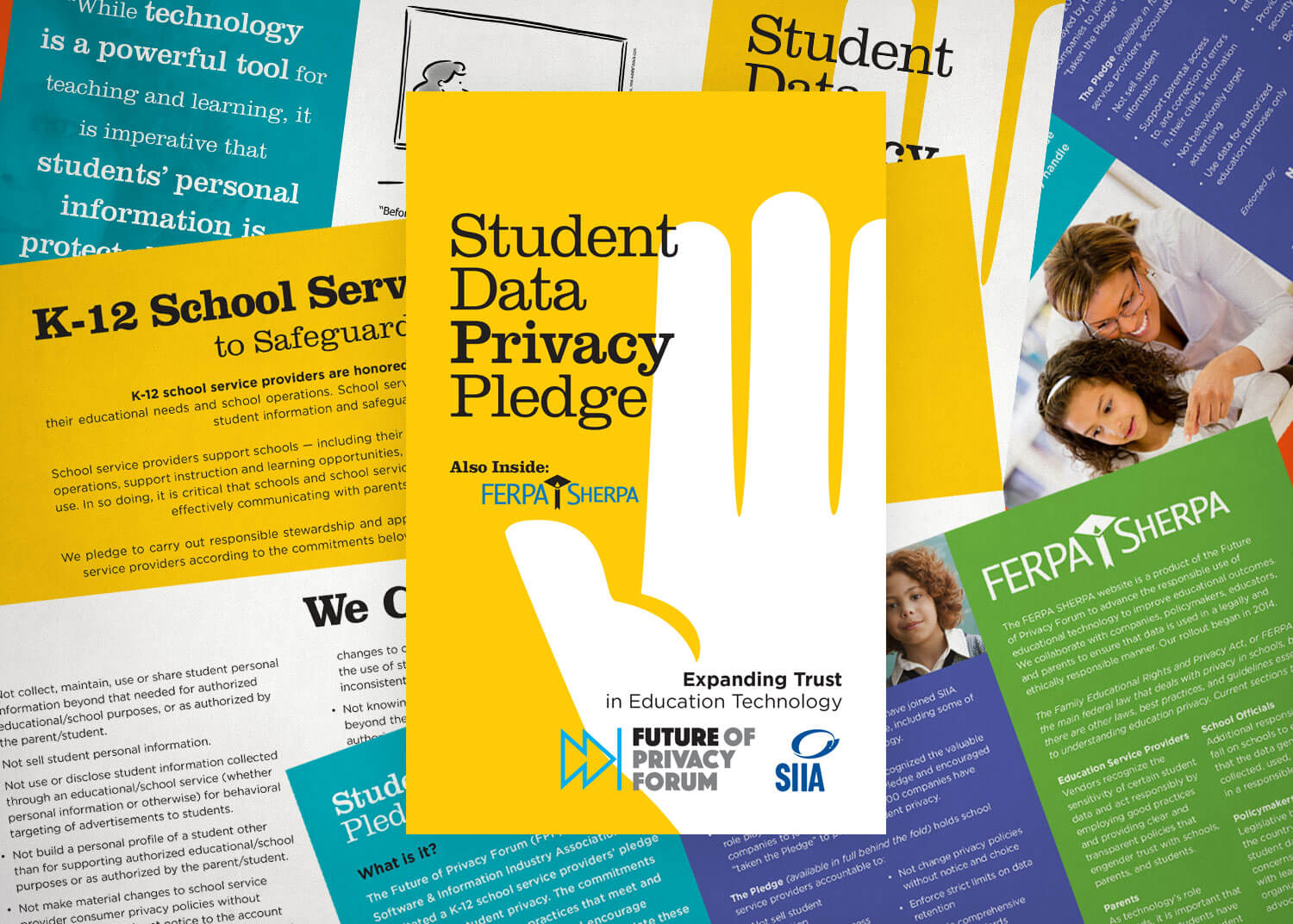
The Student Privacy Pledge was introduced over two years ago by the Future of Privacy Forum and the Software and Information Industry Association. It was endorsed by the White House and published at the forefront of the movement to clarify responsible practices in the collection, protection, and use of student data as the presence of technology in schools expanded. The Pledge has since been signed by more than 300 ed tech companies as a way to help demonstrate their commitment to student privacy.

First Take: Privacy in the Federal Automated Vehicles Policy
In the federal guidance for autonomous vehicles issued yesterday, the Department of Transportation and the National Highway Traffic Safety Administration have wisely recognized that privacy will play a key role in promoting trust in connected vehicles. This guidance and its emphasis on privacy is an important first step in building that trust.
Kids, Connected Toys and Devices, and Privacy
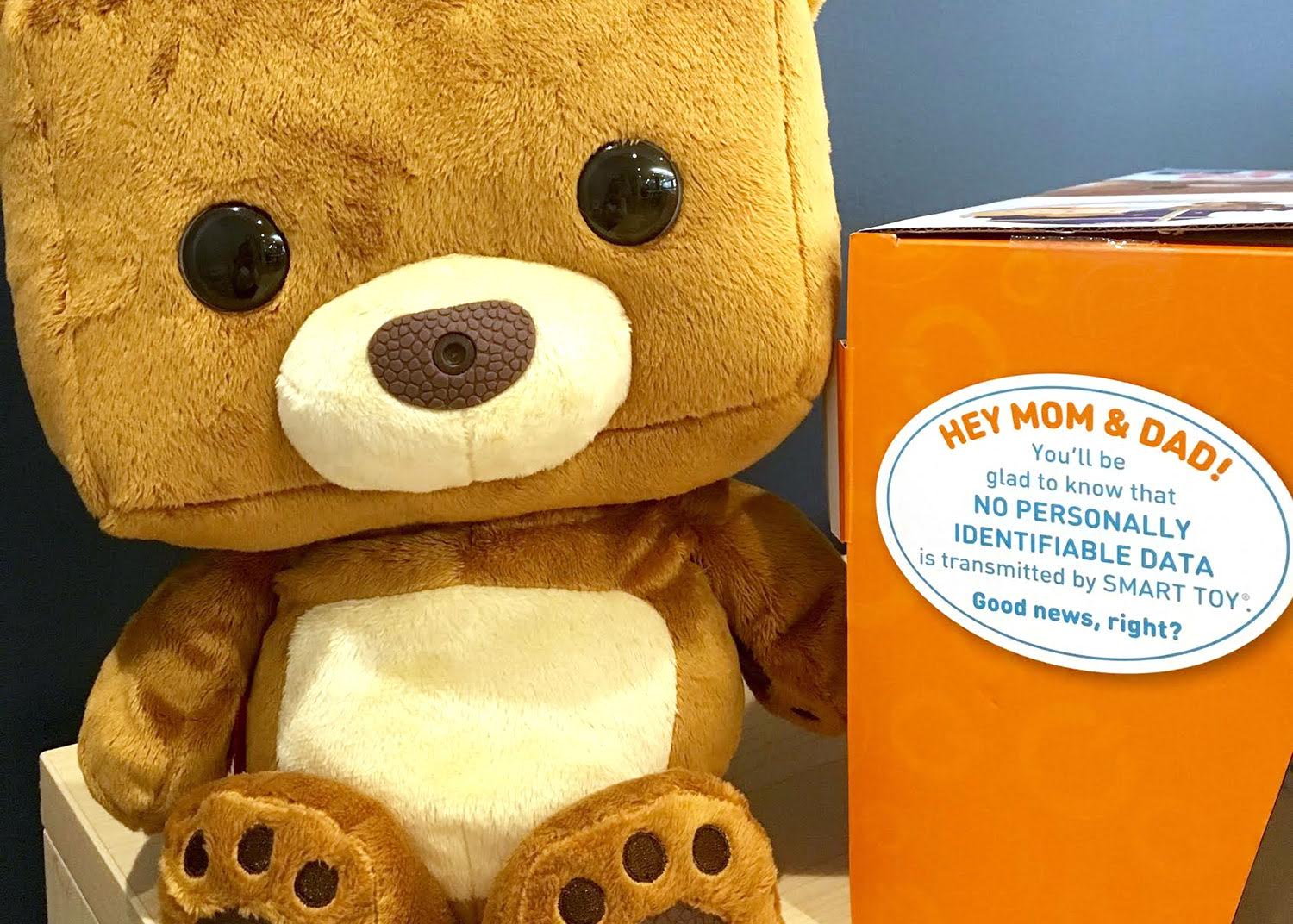
At FPF, we recognize the benefits that connected home technologies can provide to individuals, families, and kids. We also know that privacy issues can make or break adoption of connected home tech – particularly questions about whether kids’ privacy and security are sufficiently safeguarded. Families are using voice controlled devices to search the web, play games, and order products.

The FAA released rules for the operation of commercial drones
“Drones will bring a wide range of benefits, but for widespread acceptance, it will be essential for the public to feel comfortable that personal data collected by drone operators will be used responsibly. The drone privacy best practices provide guideposts that will help major companies and small operators alike demonstrate that they handle data in a trustworthy manner.”