
Showing results for pharma shop arco compar paranoia 2090 2sm 23sin rrect pharma 202 pharma shop arco 2090 202- c-- paranoia 2090 2sm 23sin pharma 202 2090 202 2090
FPF Releases Analysis of California’s New Age-Appropriate Design Code
FPF’s Youth & Education team is pleased to publish a new policy brief that builds on this first brief by providing a comparative analysis of the United Kingdom’s Age Appropriate Design Code (UK AADC) to the California AADC, which was modeled after the UK AADC. Learn more and download the UK and CA AADC Comparative policy […]
FPF Analysis of California’s New Age-Appropriate Design Code
As federal and state policymakers heighten their focus on protecting children’s privacy online, read the Future of Privacy Forum’s policy brief, An Analysis of the California Age-Appropriate Design Code. The report outlines and analyzes Assembly Bill 2273, the California Age-Appropriate Design Code Act (AADC), a first-of-its-kind privacy-by-design law that represents a significant change in both […]

Age-Appropriate Design Code Passes California Legislature
Update: On Sep 15, 2022, California Governor Gavin Newsom signed AB 2273, the California Age-Appropriate Design Code Act. The law will apply to businesses that provide online services, products, or features likely to be accessed by children and broadly requires businesses to implement their strongest privacy settings by default for young users up to the age […]

California Age-Appropriate Design Code Aims to Address Growing Concern About Children’s Online Privacy and Safety
Authors: Chloe Altieri, Kewa Jiang Kewa Jiang, CIPP/US, is a 2021 graduate of USC Gould School of Law and a Student Contractor with FPF’s Youth and Education Privacy team. On May 26, 2022, AB-2273, the California Age-Appropriate Design Code Act (ADCA) unanimously passed the California Assembly and moved to the Senate for consideration. California […]

FPF Releases Policy Brief Comparing Federal Child Privacy Bills
[…] be a top priority and area of interest among lawmakers, companies, and the public, the Future of Privacy Forum (FPF) today released a new policy brief that compares the child-centric privacy bills that have been introduced in the 117th Congress. The resource compares four proposed bills against each other (with additional comparisons to current […]
Policy Brief: Comparing Federal Child Privacy Bills
[…] continues to be a top priority and area of interest among lawmakers, companies, and the public, the Future of Privacy Forum (FPF) released a policy brief that compares the child-centric privacy bills that have been introduced in the 117th Congress. The resource compares four proposed bills against each other (with additional comparisons to current […]
FPF ADM Report R2 singles
[…] and the GDPR Case-Law in Specific Scenarios: Workplace — Facial Recognition — Credit Scoring Cases 32 and 33: Using FR to keep convicted individuals away from a shop is unlawful In a different context, the Court of Appeal of Barcelona ruled, in February 2021, that the use of an automated FR system to prevent […]

FTC Requires Algorithmic Disgorgement as a COPPA Remedy for First Time
[…] data. The FTC imposed this penalty for the first time in 2019 in a final order against Cambridge Analytica. The agency used the remedy again in the 2021 Everalbum settlement, in which the developers of a photo app were required to delete facial recognition algorithms developed through training on data that was improperly collected. […]
The State of Play – Issue Brief: COPPA 101
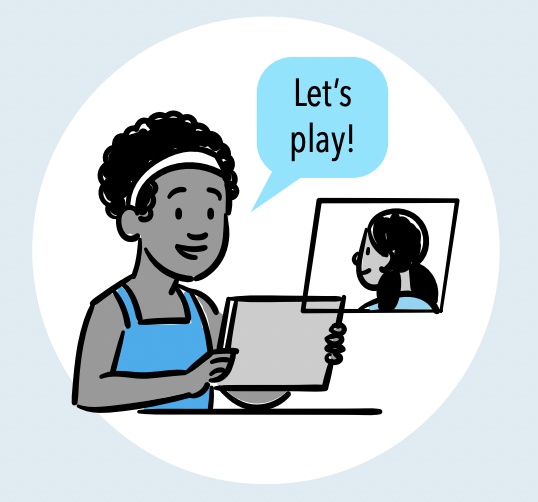
[…] mechanism known as Verifiable Parental Consent, or VPC, to remain in compliance. The FTC has approved seven different methods for obtaining consent, including the use of a video conference, signed form, credit/debit card, and photo comparison; while operators are not required to use one of the approved methods, most do out of an abundance of caution to avoid a potential FTC fine […]

Understanding why the first pieces fell in the transatlantic transfers domino
Two decisions issued by Data Protection Authorities (DPAs) in Europe and published in the second week of January 2022 found that two websites, one run by a contractor of the European Parliament (EP), and the other one by an Austrian company, have unlawfully transferred personal data to the US merely by placing cookies (Google […]