
Showing results for bonus 20x bobet bonus code 20how 20to create 2019dec bangladesh 1daka bonus 20x code 20how create 2019dec bangladesh 1daka
FPF AI Harms R5
[…] Privacy Harms, 55 B.C.L. REV. 93 (2014) »Latanya Sweeney, Discrimination in Online Ad Delivery, COMMC’NS OF THE ASS’N OF COMPUTING MACHINERY (2013) »Lee Rainie & Jana Anderson, Code-Dependent: Pros and Cons of the Algorithm Age, PEW RESEARCH CENTER (2017) »Mark MacCarthy, Student Privacy: Harm and Context, 21 INT’L REV. OF INFO. ETHICS 11 (2014) […]
Chatbots in Check: Utah’s Latest AI Legislation
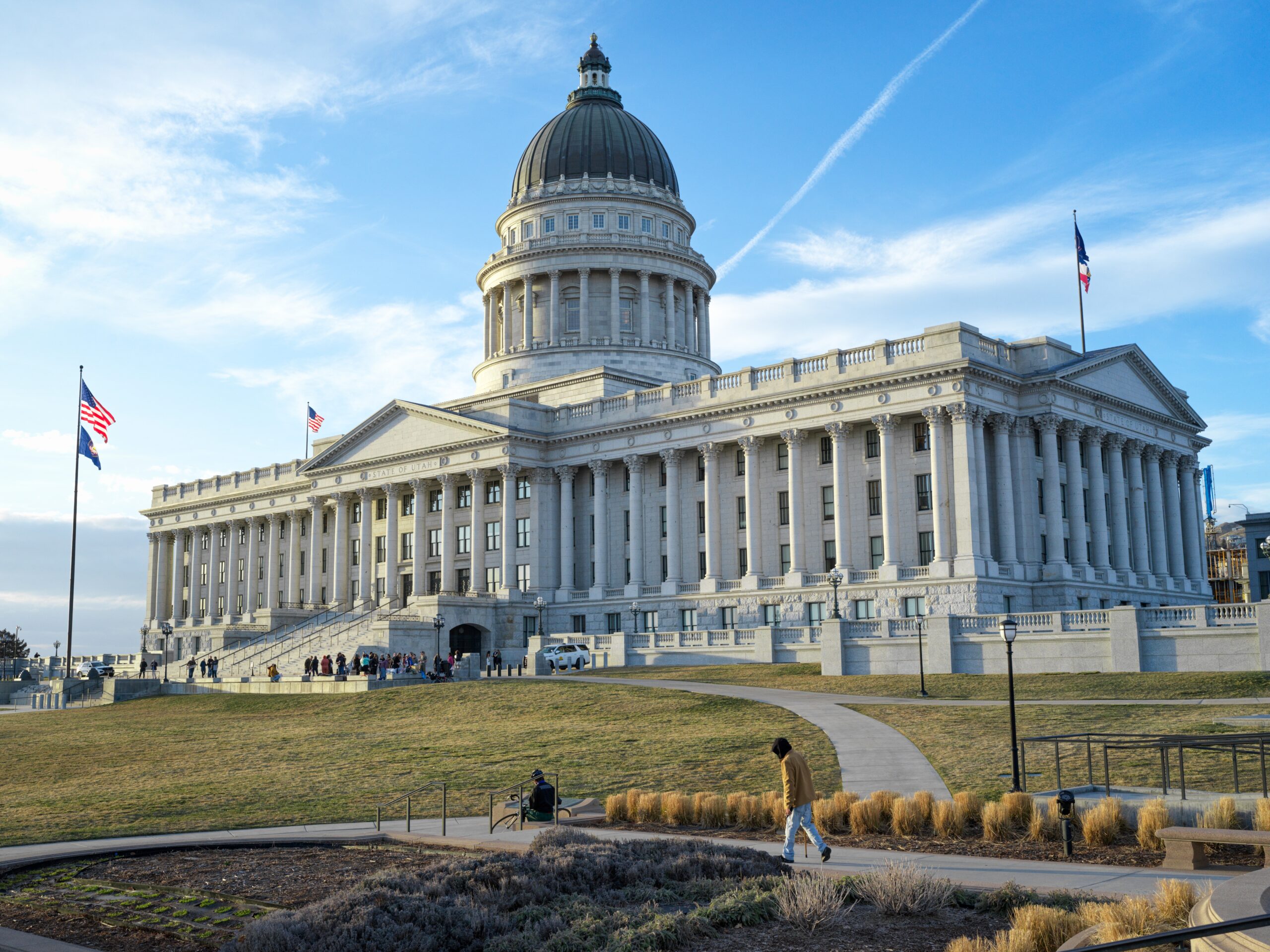
With the close of Utah’s short legislative session, the Beehive State is once again an early mover in U.S. tech policy. In March, Governor Cox signed several bills related to the governance of generative Artificial Intelligence systems into law. Among them, SB 332 and SB 226 amend Utah’s 2024 Artificial Intelligence Policy Act (AIPA) while HB 452 establishes new regulations for […]

FPF Publishes Infographic, Readiness Checklist To Support Schools Responding to Deepfakes
[…] and readiness checklist to help schools better understand and prepare for the risks posed by deepfakes. Deepfakes are realistic, synthetic media, including images, videos, audio, and text, created using a type of Artificial Intelligence (AI) called deep learning. By manipulating existing media, deepfakes can make it appear as though someone is doing or saying […]
Chatbots in Check: Utah’s Latest AI Legislation
[…] the AIPA, it is closely linked to the broader AI governance framework established by the law. As part of AIPA, Utah established a regulatory sandbox program and created the Office of Artificial Intelligence Policy to oversee AI governance and innovation in the state. One of the AI Office’s early priorities has been assessing the […]
FPF-Deep Fake_illo03-FPF-AI
[…] and consequences of deepfakes Keep current with laws and regulations and understand how laws apply to sharing student information, even when that information may be AI-generated When investigating incidents, consider that any digital media could be a deepfake and reliable detection is difcult Engage in open discussion on how to address potential incidents Establish communication protocols around what to communicate and to whom Provide support to the impacted individuals, and consider confdentiality and privacy of all parties when investigating and communicating about an incident Be aware of personal and community biases and norms Determine how existing policies and practices might apply, including policies on bullying, harassment, Title IX, sexting, technology use, disruption of school, misconduct outside of school, and impersonation of others on social media Update current policies and procedures to ensure they address deepfakes, including image-based sexual abuse and harassment Consider implementing policies for third-party vendors on how they should address a deepfake incident Evaluate if a sexually explicit deepfake incident qualifes as a form of sexual harassment Consult with legal counsel Work with local law enforcement to establish incident thresholds and response responsibilities Establish an after-action review process Deepfakes can be created using commonly available online tools or proprietary programs and are increasingly sophisticated and hard to detect. While some jurisdictions have started to create requirements for transparency or authentication for all types of synthetic content, including deepfakes, those requirements do not yet have substantial reach. School leaders must be vigilant in addressing its potential impacts by identifying and mitigating potential harms while navigating this evolving challenge. Recent incidents have highlighted the need to protect students, staf, and administrators while addressing any incident. Administrators can better respond and mitigate potential harms by leveraging existing policies and procedures and considering: BULLYING & HARASSMENT MISINFORMATION & DISINFORMATION PERSONAL SAFETY & PRIVACY IMPACT ON THE LEARNING ENVIRONMENT How Are Deepfakes […]
FPF Publishes Infographic, Readiness Checklist To Support Schools Responding to Deepfakes
[…] did. Download the deepfakes infographic and readiness checklist for schools here. Deepfakes, while relatively new, are quickly becoming prevalent in K-12 schools. Schools have a responsibility to create a safe learning environment, and a deepfake incident – even if it happens outside of school – poses real risks to that, including through bullying and […]
FPF-Sponsorship-Prospectus-Singles-DC-Privacy-Forum
[…] sponsor during the Luncheon by FPF »Opportunity to make short remarks during the Luncheon (2 minutes) »Opportunity to provide (1) promotional item and (1) giveaway via QR code. Must be approved in advance by FPF Sponsorship Team O u r inaugural DC Privacy Forum was such a success, we’re turning the DC Privacy Forum […]
FPF-2025-Sponsorship-Prospectus
[…] and website link in event invitations »Official recognit ion during the Reception by FPF Leadership »Opportunity to pro vide (1) promotional item and (1) giveaway via QR code. Must be approved in advance by FPF Sponso rship Team »Prominent recog nition of name and logo on signage at event »Company logo on eve nt […]
FPF-Deep-Fake_2025 (1)
[…] be a deepfake and reliable detection is difcult Engage in open discussion on how to address potential incidents Establish communication protocols around what to communicate and to whom Provide support to the impacted individuals, and consider confidential ity and privacy of all parties when investigating and communicating about an inc ident Be aware of personal and community biases and norms Determine how existing policies and practices might apply, including policies on bullying, harassment, Title IX, sexting, technology use, disruption of school, misconduct outside of school, and impersonation of others on social medi a Update current policies and procedures to ensure they address deepfakes, including image-based sexual abuse and harassment Consider implementing policies for third-party vendors on how they shoul d address a deepfake incident Evaluate if a sexually explicit deepfake incident qualifies as a form of sexual harassment Consult with legal counsel Work with local law enforcement to establish incident thresholds and response responsibilities Establish an after-action review process Deepfakes can be created using commonly available online tools or proprietary programs and are increasingly sophisticated and hard to detect. While some jurisdictions have started to create requirements for transparency or authentication for all types of synthetic content, inclu ding deepfakes, those requirements do not yet have substantial reach. School leaders must be vigilant in addressing its potential impacts by identify ing and mitigating potential harms while navigating this evolving challenge. Recent incidents have highlighted the need to protect students, staf, and administrators while addressing any incident. Administrators can better respond and mitigate potential harms by leveraging existing policies and procedures and considering: BULLYING & HARASSMENT MISINFORMATION & DISINFORMATION PERSONAL SAFETY & PRIVACY IMPACT ON THE LEARNING ENVIRONMENT […]
FPF Privacy Papers for Policymakers: A Celebration of Impactful Privacy Research and Scholarship
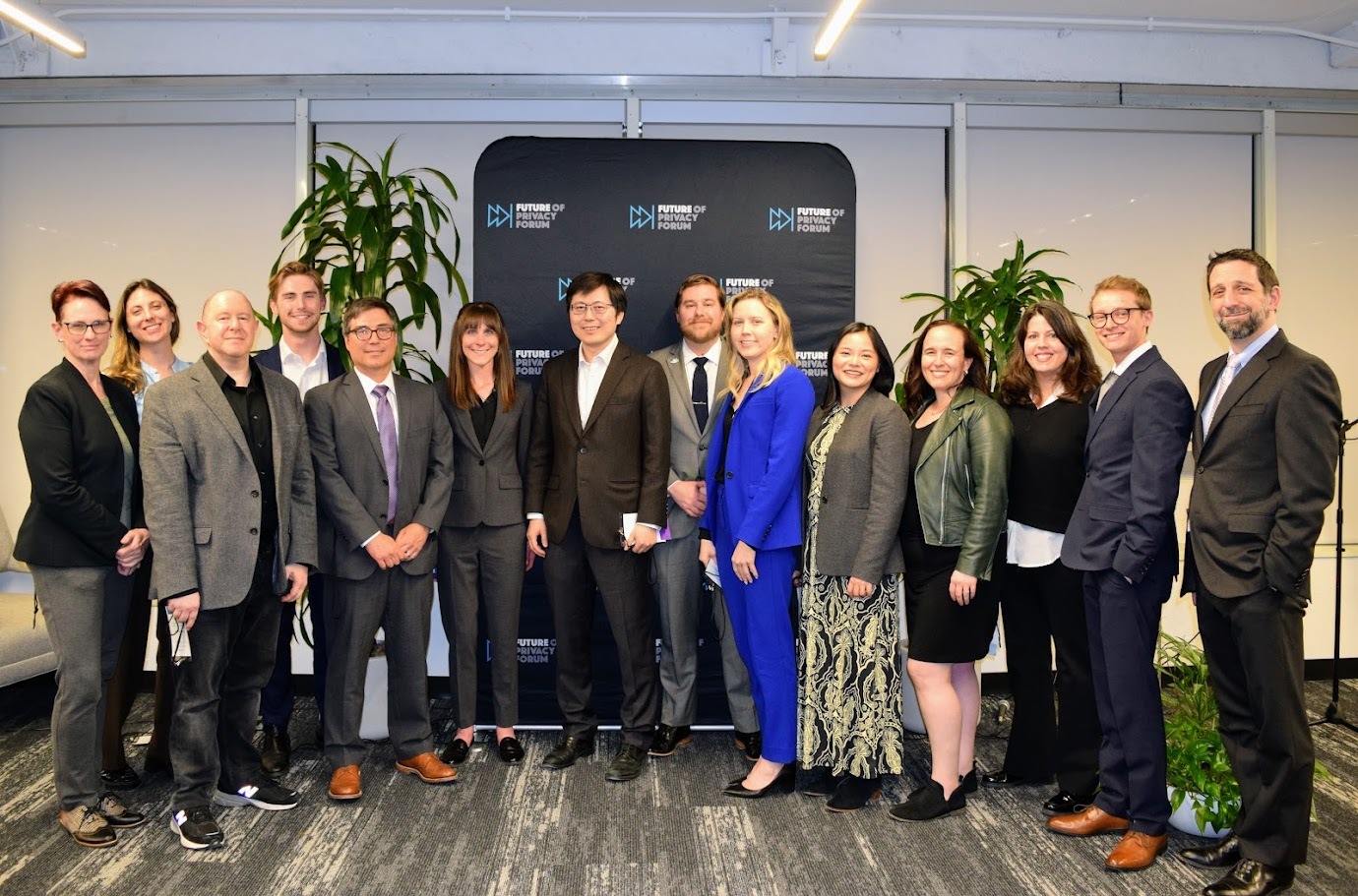
[…] Bogen categorized fairness assessment into three key areas: measuring disparities, selecting appropriate metrics, and implementing mitigation strategies. She pointed out that privacy laws like GDPR and CCPA create barriers to demographic data collection, complicating efforts to assess bias in AI systems. The conversation emphasized the need for alternative privacy-preserving methods, such as statistical inference […]