
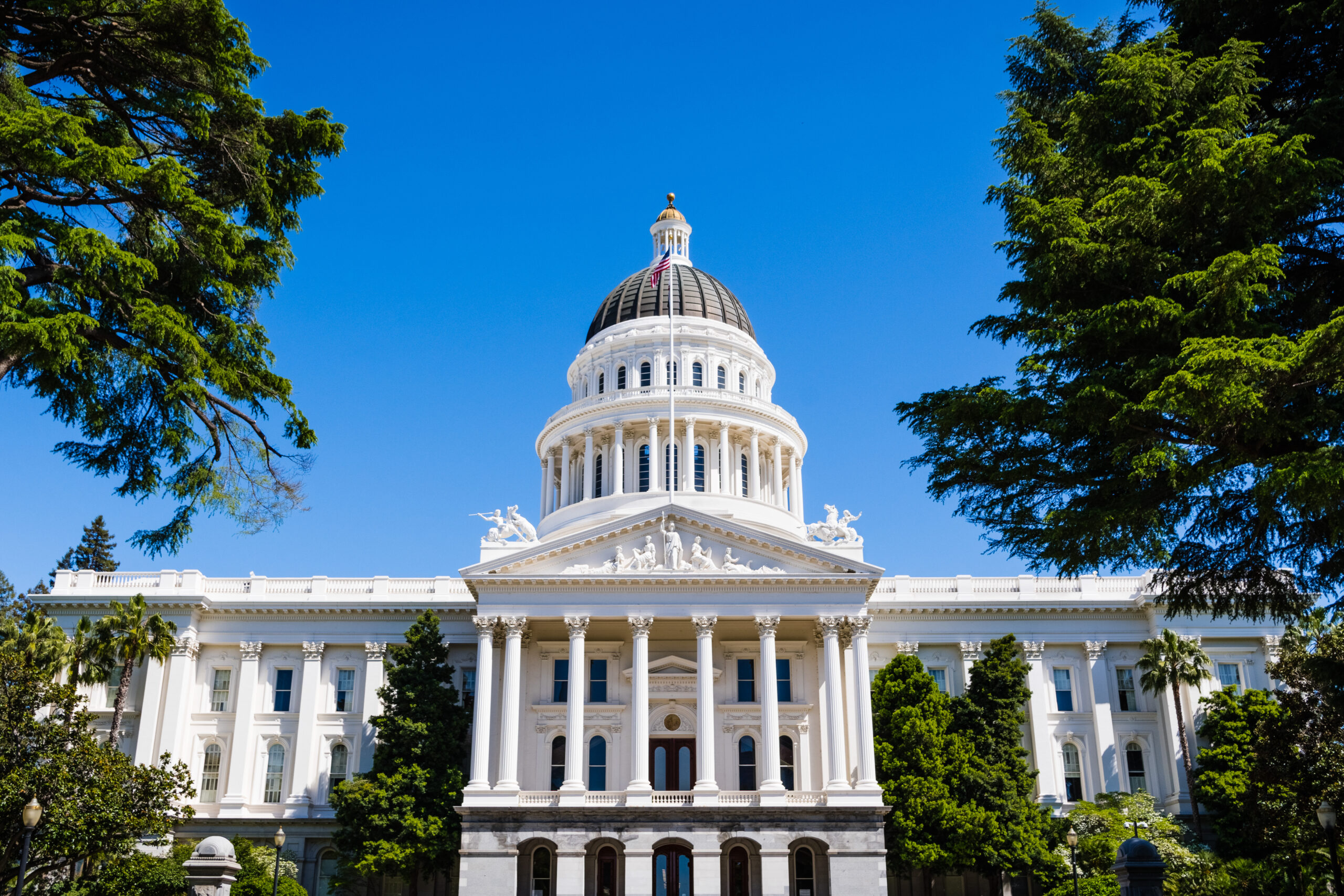
FPF Highlights Intersection of AI, Privacy, and Civil Rights in Response to California’s Proposed Employment Regulations
On July 18, the Future of Privacy Forum submitted comments to the California Civil Rights Council (Council) in response to their proposed modifications to the state Fair Employment and Housing Act (FEHA) regarding automated-decision systems (ADS). As one of the first state agencies in the U.S. to advance modernized employment regulations to account for automated-decision […]

Contextualizing the Kids Online Safety and Privacy Act: A Deep Dive into the Federal Kids Bill
Co-authored by Nick Alereza, FPF Policy Intern and student Boston University School of Law. With contributions from Jordan Francis. On July 30, 2024, the U.S. Senate passed the Kids Online Safety and Privacy Act (KOSPA) by a vote of 91-3. KOSPA is a legislative package that includes two bills that gained significant traction in the […]

Final-Privacy-Principles-Edits-2
SEPTEMBER 2018 1 PRIVACY PRINCIPLES FOR FACIAL RECOGNITION TECHNOLOGY IN COMMERCIAL APPLICATIONS INTRODUCTION The consumer – facing applications of facial recognition technology continue to evolve and appear in new contexts . There are several key functions that benefit from facial recognition technology , including : (1) safety and security; (2) access and authentication; (3) photograph […]
FPF Samsara Video-Based VSS Whitepaper PRINT R1 wBleed
VIDEO-BASED VEHICLE SAFETY SYSTEMS: Lessons Learned from Commercial Fleets J U LY 2 0 2 4 FUTURE OF PRIVACY FORUM | J U LY 2 0 2 4 1 The Future of Privacy Forum (FPF) is a non-profit organization that serves as a catalyst for privacy leadership and scholarship, advancing principled data practices in support […]
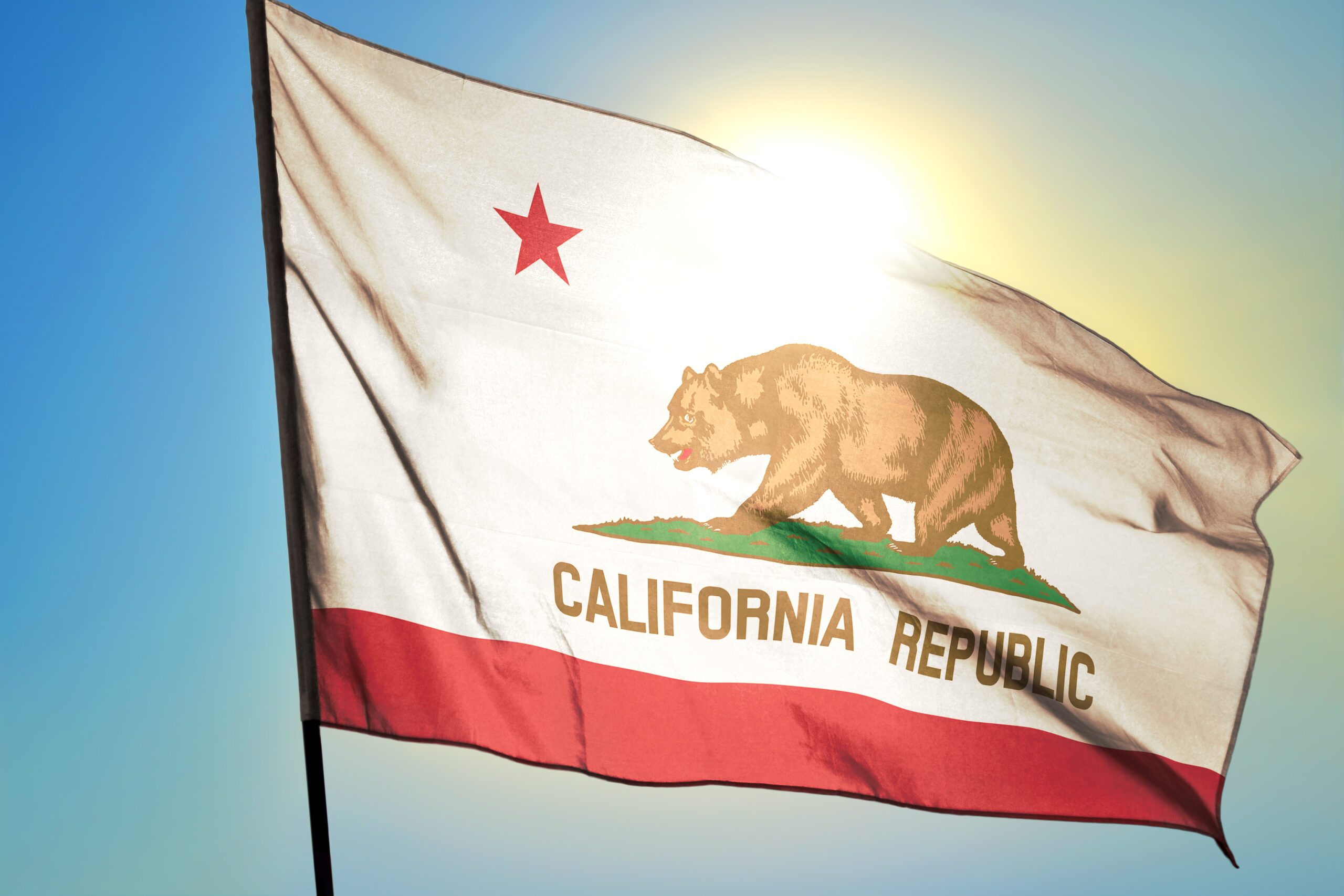
Reflections on California’s Age-Appropriate Design Code in Advance of Oral Arguments
Co-authored with Isaiah Hinton, Policy Intern for the Youth and Education Team Update: On Wednesday, July 17th, the U.S. 9th Circuit Court of Appeals heard oral arguments for an appeal of the District Court’s preliminary injunction of the California Age-Appropriate Design Code Act (AADC). Judges Milan Smith Jr., Mark Bennett, and Anthony Johnstone appeared interested […]
FPF Confidential Computing R3
J U LY 2 0 2 4 CONFIDENTIAL COMPUTING AND PRIVACY Policy Implications of Trusted Execution Environments The Future of Privacy Forum (FPF) is a non-profit organization that serves as a catalyst for privacy leadership and scholarship, advancing principled data practices in support of emerging technologies. Learn more about FPF by visiting fpf.org. Samuel Adams […]
FPF EU AI Act Timeline July 24
Publication to the EU Official Journal & Entry into force of the AI Act which marks the 24 month countdown of activities towards full effect and enforcement . The Member States have to identify their Fundamental Rights authorities within three months after the entry into force. (Art. 77(2)) Scope and Definitions appl y, six months […]
Research Coordination Network for Privacy-Preserving Data Sharing and Analytics Focused on Artificial Intelligence
Download the Privacy Enhancing Technologies Workshop Issue Brief Download the PETs Use Case: Differential Privacy for End-of-Life Data Download the Use Case: Preventing Financial Fraud Across Different Jurisdictions with Fully Homomorphic Encryption With the support of grants from the Department of Energy and National Science Foundation, FPF is building a Research Coordination Network (RCN) for […]
Protected: Protected: FPF Training Program 2024 – Main
There is no excerpt because this is a protected post.

The World’s First Binding Treaty on Artificial Intelligence, Human Rights, Democracy, and the Rule of Law: Regulation of AI in Broad Strokes
The Council of Europe’s (CoE) Framework Convention on Artificial Intelligence and Human Rights, Democracy, and the Rule of Law (Framework Convention on AI) was adopted on 17 May 2024, after two years of drafting and negotiation. This is the world’s first binding treaty on AI, focusing on protecting human rights, democracy and the rule of […]