
Showing results for flags falseflag amp amp

Overcoming Hurdles to Effective Data Sharing for Researchers
In 2021, challenges faced by academics in accessing corporate data sets for research and the issues that companies were experiencing to make privacy-respecting research data available broke into the news. With its long history of research data sharing, FPF saw an opportunity to bring together leaders from the corporate, research, and policy communities for a conversation […]

Public Comments Surface Fault Lines in Expectations for New California Privacy Law
In November 2020, California voters adopted the California Privacy Rights Act (“CPRA”) ballot initiative, which was developed to strengthen and expand upon the underlying California Consumer Privacy Act (“CCPA”) that the state legislature adopted in 2018. While the CPRA provides for significant new consumer rights and responsible data processing obligations on covered businesses, many questions […]

Future of Privacy Forum Releases Student Monitoring Explainer
On October 27, FPF released a new infographic, “Understanding Student Monitoring,” depicting the variety of reasons why schools monitor student digital activities, what types of student data are being monitored, and how that data could be used. While student monitoring is not new, it has gained significant traction recently due to the shift to remote learning […]
Lessons for a Federal Private Right of Action in US Privacy Law after TransUnion LLC v. Ramirez
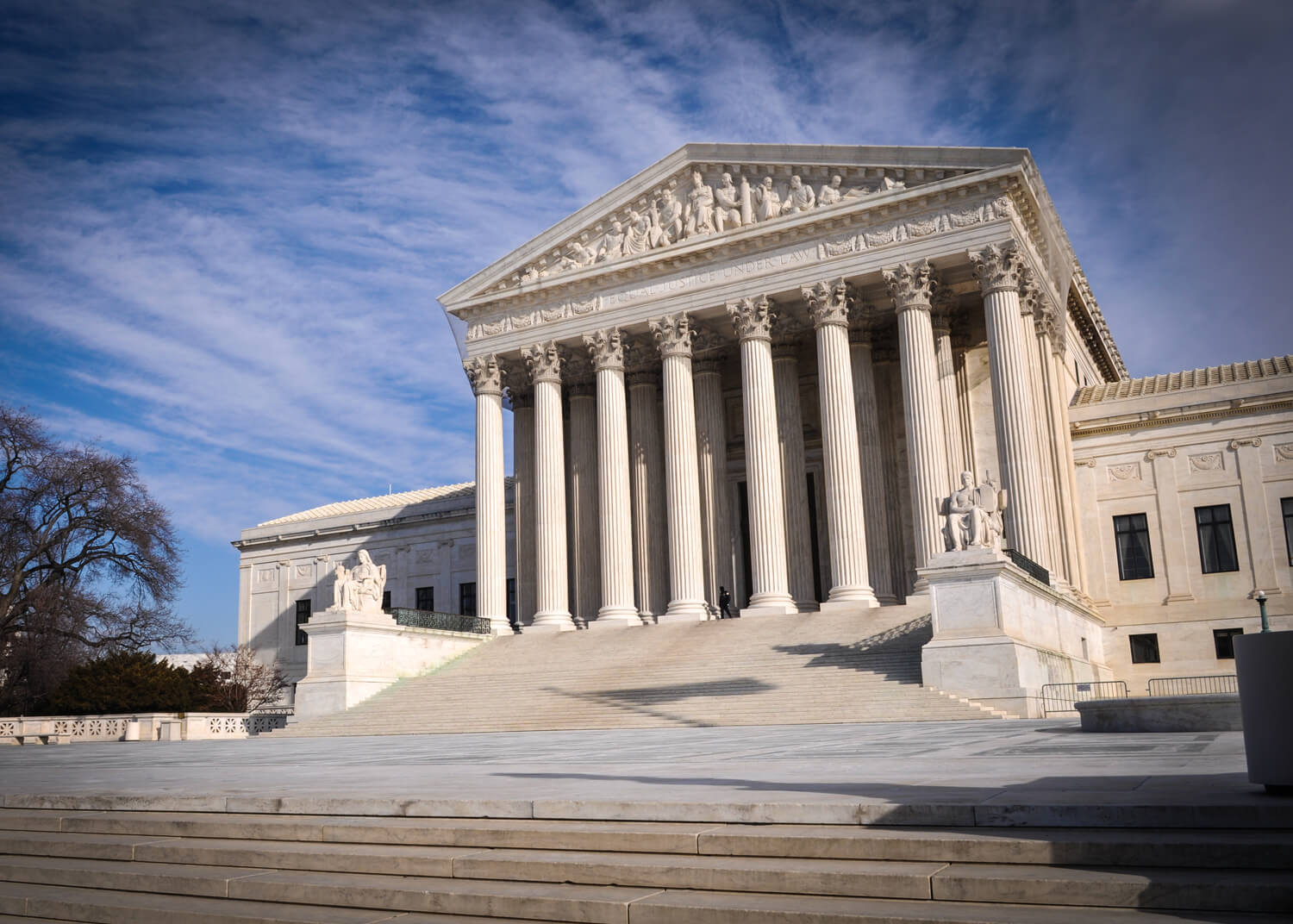
In June 2021, the Supreme Court handed down TransUnion v. Ramirez, 594 U.S. ___ (2021), its latest decision concerning Article III standing, which determines a plaintiff’s eligibility to sue in federal court. Even when a federal law expressly creates a private right of action to enforce a federal right or other violation of the law, […]

FPF PTA Report_Digital
Privacy Tech’s Third Generation A Review of the Emerging Privacy Tech Sector JUNE 2021 The Future of Privacy Forum launched the Privacy Tech Alliance (PTA) as a global initiative with a mission to define, enhance, and promote the market for privacy technologies. The PTA brings together innovators in privacy tech with customers and key stakeholders. […]
Toward a Cohesive Interpretation of the Electronic Communications Privacy Act for the Electronic Monitoring of Employees
[…] magnetic tapes, disks or other media.‖ 315 Ultimately Congress hoped that the SCA would tackle the ―problem of unauthorized persons deliberately gaining access to, and sometimes t ampering with, electronic or wire communications that are not intended to be available to the general public.‖ 316 Indeed, several courts have interpreted the definition broadly in […]
The Future of the Constitution
[…] and processing information may lead to plausible conclusions that are far more far – reaching than the information left separate. If so, data manipulation can have an amplifying effect, turning low impact information in isolation into high impact information when processed. Reaping these benefits requires surveillance systems that allow the initial collection and processing. […]
Repairing_Online_Reputation
[…] they are entered into the public record as part of the court proceedings.”) 76 Closed criminal trials raise constitutionality co ncerns and have been difficult to achieve in practice in other contexts. See, for ex ample Press Enterprise Co v Superior Court , 478 U.S. 1 (1986) (court reversed order sealing t ranscript of lower court proceedings on First Amendment grounds). 77 Citron, Law’s Expressive Value , […]
People_Can_Be_So_Fake
Penn State Law Review Winter, 2010 Articles *809 PEOPLE CAN BE SO FAKE: A NEW DIMENSION TO PRIVACY AND TECHNOLOGY SCHOLARSHIP M. Ryan Calo [FNa1] Copyright (c) 2010 The Dickensen School of Law of The Pennsylvania State University; M. Ryan Calo This article updates the traditional discussion of privacy and technology, focused since the days […]
AdChoices Compliance with Online Behavioral Advertising Notice and Choice Requirements
AdChoices? Compliance with Online Behavioral Advertising Notice and Choice Requirements Saranga Komanduri, Richard Shay, Greg Norcie, and Lorrie Faith Cranor March 30, 2011 CMU-CyLab-11-005 CyLab Carnegie Mellon University Pittsburgh, PA 15213 AdChoices? Compliance with Online Behavioral Advertising Notice and Choice Requirements Saranga Komanduri, Richard Shay, Greg Norcie, and Lorrie Faith Cranor Carnegie Mellon University,Pittsburgh, PA […]