
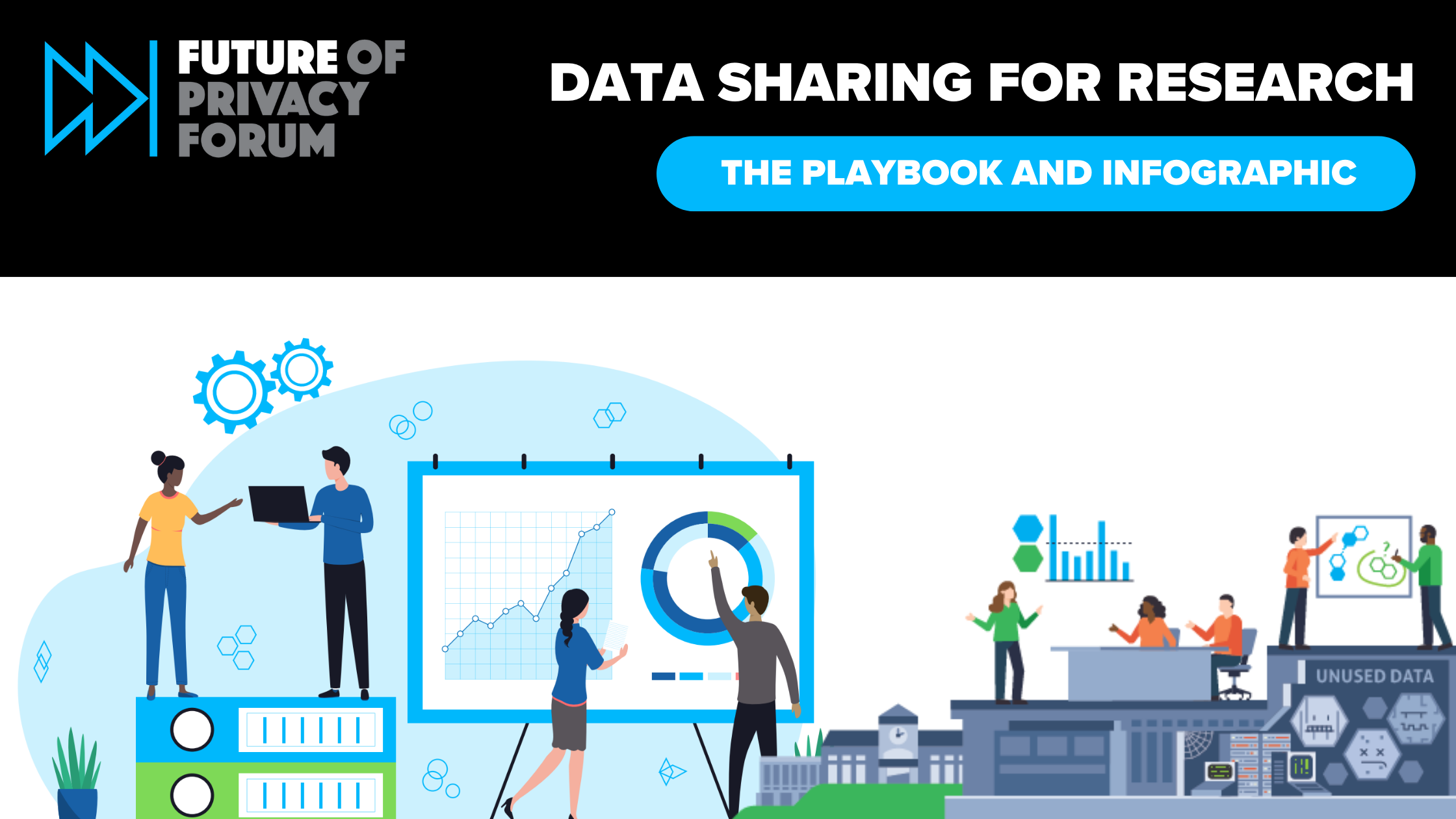
FPF Releases “The Playbook: Data Sharing for Research” Report and Infographic
Today, the Future of Privacy Forum (FPF) published “The Playbook: Data Sharing for Research,” a report on best practices for instituting research data-sharing programs between corporations and research institutions. FPF also developed a summary of recommendations from the full report. Facilitating data sharing for research purposes between corporate data holders and academia can unlock new scientific […]
Unfairness By Algorithm: Distilling the Harms of Automated Decision-Making
Analysis of personal data can be used to improve services, advance research, and combat discrimination. However, such analysis can also create valid concerns about differential treatment of individuals or harmful impacts on vulnerable communities. These concerns can be amplified when automated decision-making uses sensitive data (such as race, gender, or familial status), impacts protected classes, or affects individuals’ eligibility for housing, employment, or other core services. When seeking to identify harms, it is important to appreciate the context of interactions between individuals, companies, and governments—including the benefits provided by automated decision-making frameworks, and the fallibility of human decision-making.
The Connected Car and Privacy: Navigating New Data Issues
Each model year brings cars that are getting smarter and more connected, offering new safety features and consumer conveniences. By the end of the decade, one in five vehicles on the road will be …