
Biometric technology has long been used for security and law enforcement purposes such as national security watch lists, passport controls, criminal fingerprint databases, and immigration processing. Now, however, the private sector increasingly uses these systems as a verification method for authentication that previously required a PIN or password. Apple’s decision to include a fingerprint scanner in the iPhone in 2013 brought new public awareness to possible non-law-enforcement applications of biometric technologies, and the company’s shift to facial recognition access in the most recent models further normalized the concept. Biometric technology continues to be adopted in many sectors, including financial services, transportation, health care, computer systems and facility access, and voting. In many cases, this technology is more efficient, less expensive, and easier to use than traditional alternatives, while also eliminating the need for passwords, which are broadly recognized as an insufficiently secure safeguard for user data. However, as with any digital system, there are privacy concerns around the collection, use, storage, sharing, and analysis of the data that are generated by these systems.

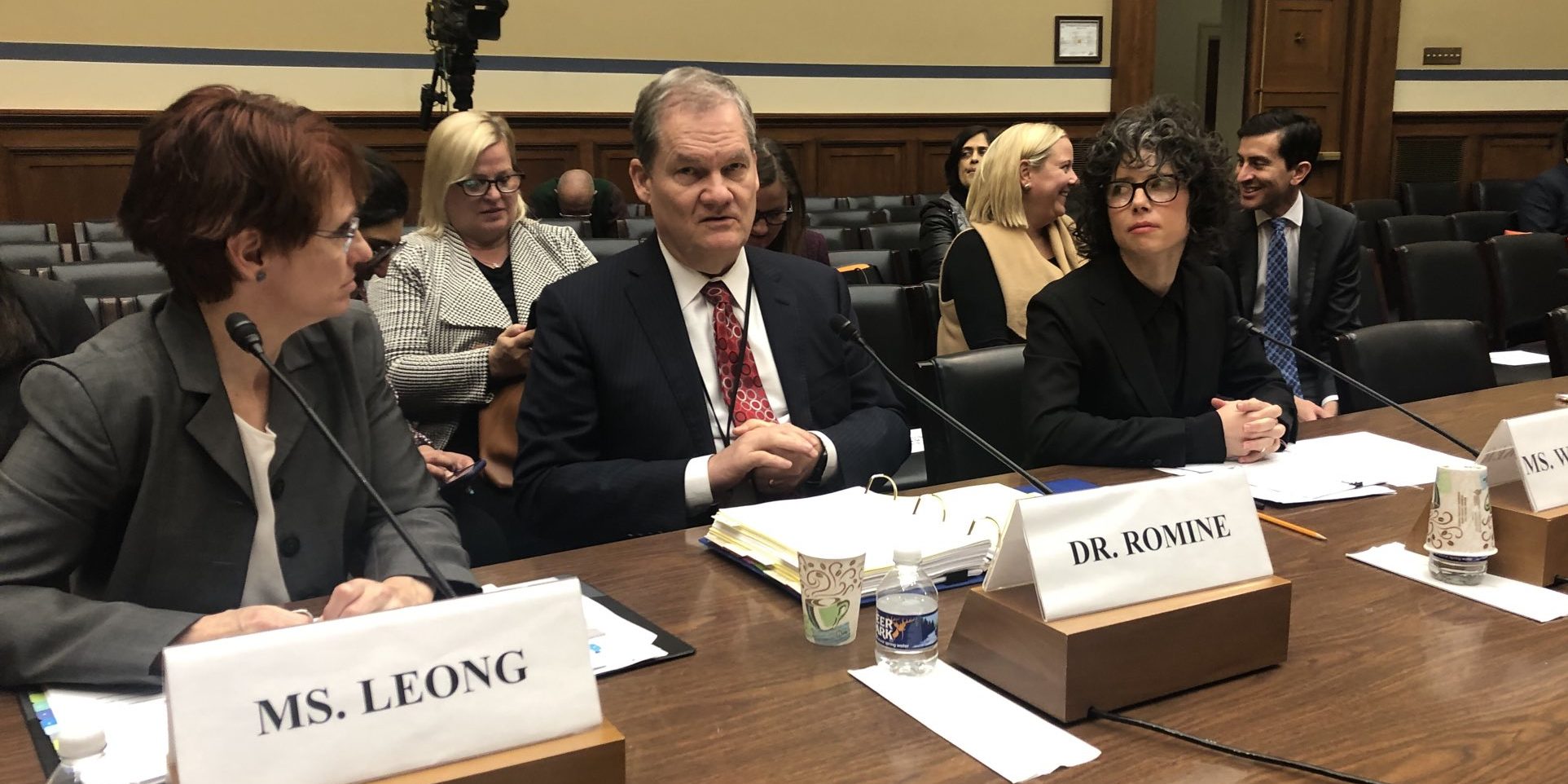
FPF Director of AI & Ethics Testifies Before Congress on Facial Recognition
FPF’s Brenda Leong calls on policymakers to balance privacy and ethical risks, and establish “opt-in” consent standard to protect consumer privacy.
Future of Privacy Forum Releases Analysis of Washington Privacy Act
FPF CEO: “Most comprehensive state privacy legislation proposed to date” WASHINGTON, DC – January 13, 2020 – The Future of Privacy Forum today released an in-depth analysis of the Washington Privacy Act (Washington State Senate Bill 6281), as well as the following statement by Future of Privacy Forum CEO Jules Polonetsky about the bill: “The Washington […]

It’s Raining Privacy Bills: An Overview of the Washington State Privacy Act and other Introduced Bills
By Pollyanna Sanderson (Policy Counsel), Katelyn Ringrose (Christopher Wolf Diversity Law Fellow) & Stacey Gray (Senior Policy Counsel) Today, on the first day of a rapid-fire 2020 legislative session in the state of Washington, State Senator Carlyle has introduced a new version of the Washington Privacy Act (WPA). Legislators revealed the Act during a live press […]
Closer than Apart: Comparing Senate Commerce Committee Bills
Together with Senator Cantwell (D-WA)’s bill, the Consumer Online Privacy Rights Act, Senator Wicker’s Discussion Draft represents a significant movement toward bipartisan negotiations in the Senate. But how do the two bills, one from leading Democrats, and one from the Republican Chairman, compare to each other? We find them to be closer together on most issues than they are apart: a promising sign for bipartisan negotiation.
Starting Point for Negotiation: An Analysis of Senate Democratic Leadership’s Landmark Comprehensive Privacy Bill
Today, Senate Commerce Committee Ranking Member Maria Cantwell (D-WA), joined by top Democrats on the Senate Commerce Committee – Senators Markey, Schatz and Klobuchar – introduced a new comprehensive federal privacy bill, the Consumer Online Privacy Rights Act (COPRA). The bill is consistent with the Senate Democratic leadership positions announced last week and comes in advance of a December 4th Senate Commerce Committee hearing convened by Senator Wicker (R-Miss), Examining Legislative Proposals to Protect Consumer Data Privacy.

What is 5G Cell Technology? How Will It Affect Me?
The leap from 3G to 4G technology brought with it faster data transfer speeds, which supported widespread adoption of data cloud and streaming services, video conferencing, and Internet of Things devices such as digital home assistants and smartwatches. 5G technology has the potential to enable another wave of smart devices: always connected and always communicating to provide faster, more personalized services.

FPF Letter to NY State Legislature
On Friday, June 14, FPF submitted a letter to the New York State Assembly and Senate supporting a well-crafted moratorium on facial recognition systems for security uses in public schools.
NAI’s 2020 Code of Conduct Expands Self-Regulation for Ad Tech Providers
By Christy Harris, Stacey Gray, and Meredith Richards As debates over the shape of federal privacy legislation in the United States continue, online advertising remains a key focus of scrutiny in the US Congress, with its recent hearing on digital advertising and data privacy. Amidst these debates, the Networking Advertising Initiative (NAI), the leading self-regulatory body […]
CCPA Amendment Update June 2019 – Twelve Bills Survive Assembly and Move to the Senate
By Michelle Bae and Jeremy Greenberg Privacy professionals seeking clarity on compliance with the California Consumer Privacy Act (CCPA) are monitoring numerous amendment bills introduced in the California State Assembly and the California State Senate. Twelve bills garnered the votes needed to pass the Assembly and moved to the Senate for further revision and voting. […]
FPF Welcomes the 2019 Class of Policy Fellows
FPF is pleased to announce the selection of its 2019 Policy Fellows: Katelyn Ringrose, Charlotte Kress, and Anisha Reddy. Working at FPF for one- or two-year terms, Fellows are key members of the FPF policy team. Fellows focus on consumer and commercial privacy issues, from technology-specific areas such as drones, wearables, connected cars, and student privacy, […]