
When handling personal data, organizations must utilize both best practices for privacy and cybersecurity to ensure that it is protected, sound, and treated in line with individual and societal expectations.
FPF’s work on privacy and cybersecurity focuses on the overlap between the two areas, including how different global laws and policy regimes tackle that overlap. Through FPF’s Privacy and Cybersecurity Expert Group, FPF facilitates the coordination and collaboration of privacy and cybersecurity experts to promote common goals, strategies, and understanding.
FPF’s Cybersecurity Advisory Committee comprises top cyber and privacy executives at industry-leading companies and civil society and academia representatives.
Advisory committee members include:
- Emily Hancock, Cloudflare
- Stephenie Handler, Gibson Dunn (Chair)
- David Hoffman, Duke University, Sanford School of Public Policy
- Anitha Ibrahim, Amazon Web Services
- Andy Serwin, DLA Piper
- Chad Sniffen, National Network to End Domestic Violence
- Melanie Tiano, T-Mobile
- Heng Xu, American University




FPF Commends New America's Report on Predictive Analytics in Higher Education
New America released a report today that addresses the use of data in higher ed analytics – predicting student outcomes and managing university academic programs based on prior data. The growing ability to gather and analyze this data allows colleges to intervene with students struggle, put in place mentoring programs, create support structures addressing “whole student” welfare, ultimately improving academic outcomes and graduation rates.

Jules Polonetsky Featured on Modern Workplace
On October 11, 2016, FPF’s CEO, Jules Polonetsky, was featured on Modern Workplace for “The Privacy Balance: Staying secure and ethical with your data.” The webinar focused on how to navigate common blind spots in data security and avoid privacy pitfalls. Jules discussed tips for creating an organization that is profitable and ethical.

First Take: Privacy in the Federal Automated Vehicles Policy
In the federal guidance for autonomous vehicles issued yesterday, the Department of Transportation and the National Highway Traffic Safety Administration have wisely recognized that privacy will play a key role in promoting trust in connected vehicles. This guidance and its emphasis on privacy is an important first step in building that trust.
Future of Privacy Forum Releases Best Practices for Consumer Wearables and Wellness Apps and Devices
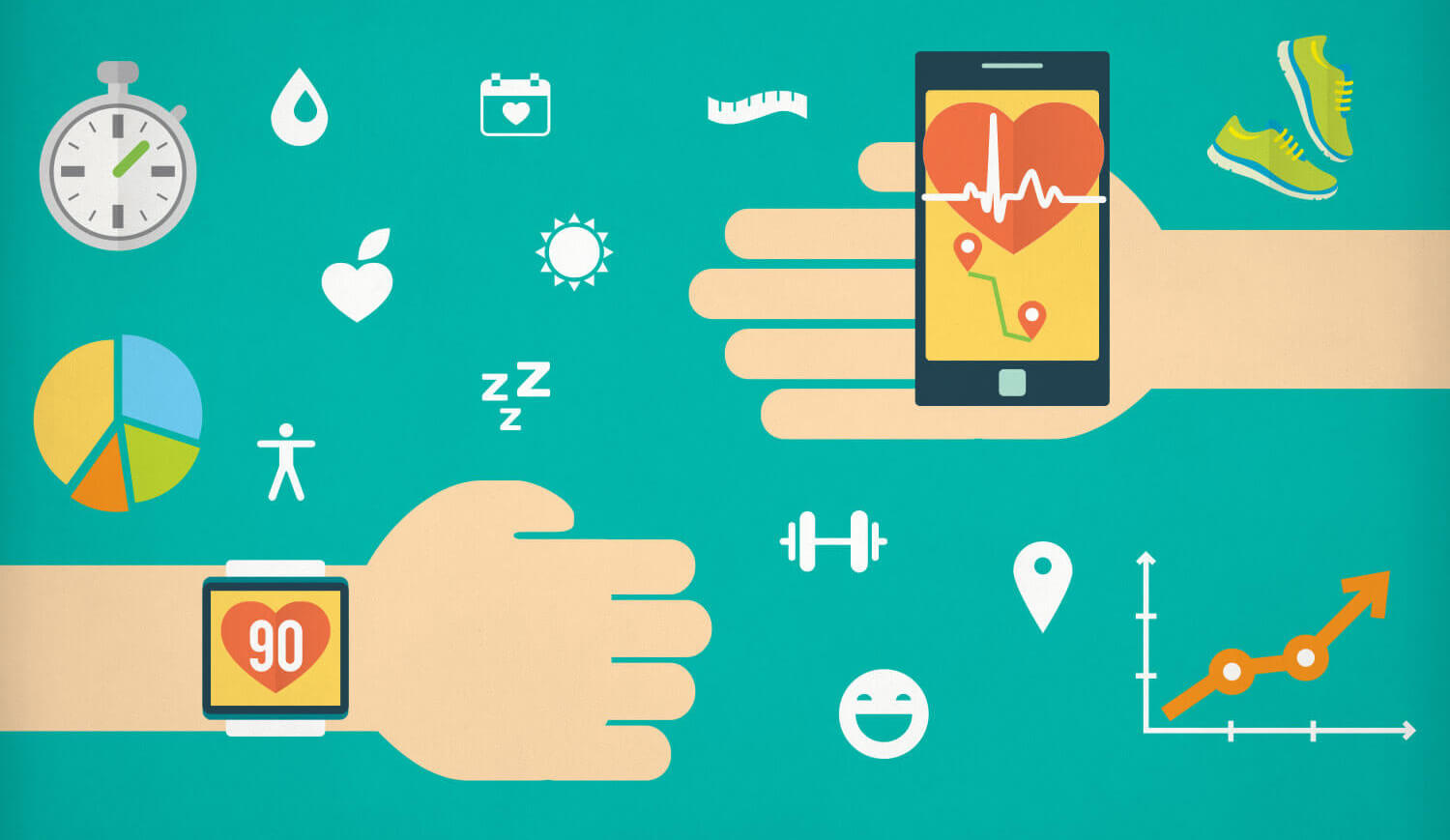
Washington, DC – Today, the Future of Privacy Forum (FPF) released Best Practices for Consumer Wearables and Wellness Apps and Devices, a detailed set of guidelines that responsible companies can follow to ensure they provide practical privacy protections for consumer-generated health and wellness data. The document was produced with support from the Robert Wood Johnson Foundation and incorporates input from a wide range of stakeholders including companies, advocates, and regulators.
Kids, Connected Toys and Devices, and Privacy
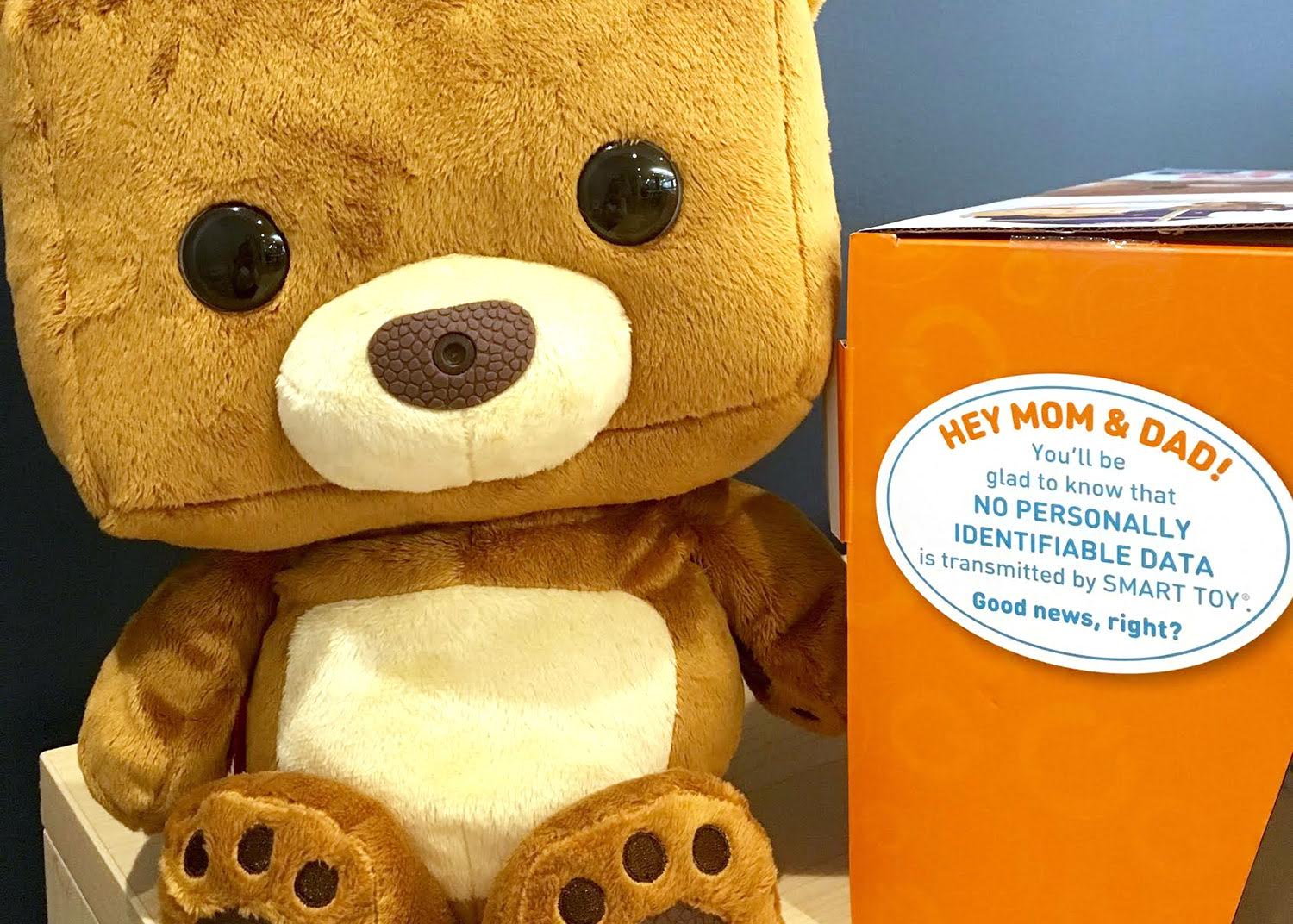
At FPF, we recognize the benefits that connected home technologies can provide to individuals, families, and kids. We also know that privacy issues can make or break adoption of connected home tech – particularly questions about whether kids’ privacy and security are sufficiently safeguarded. Families are using voice controlled devices to search the web, play games, and order products.
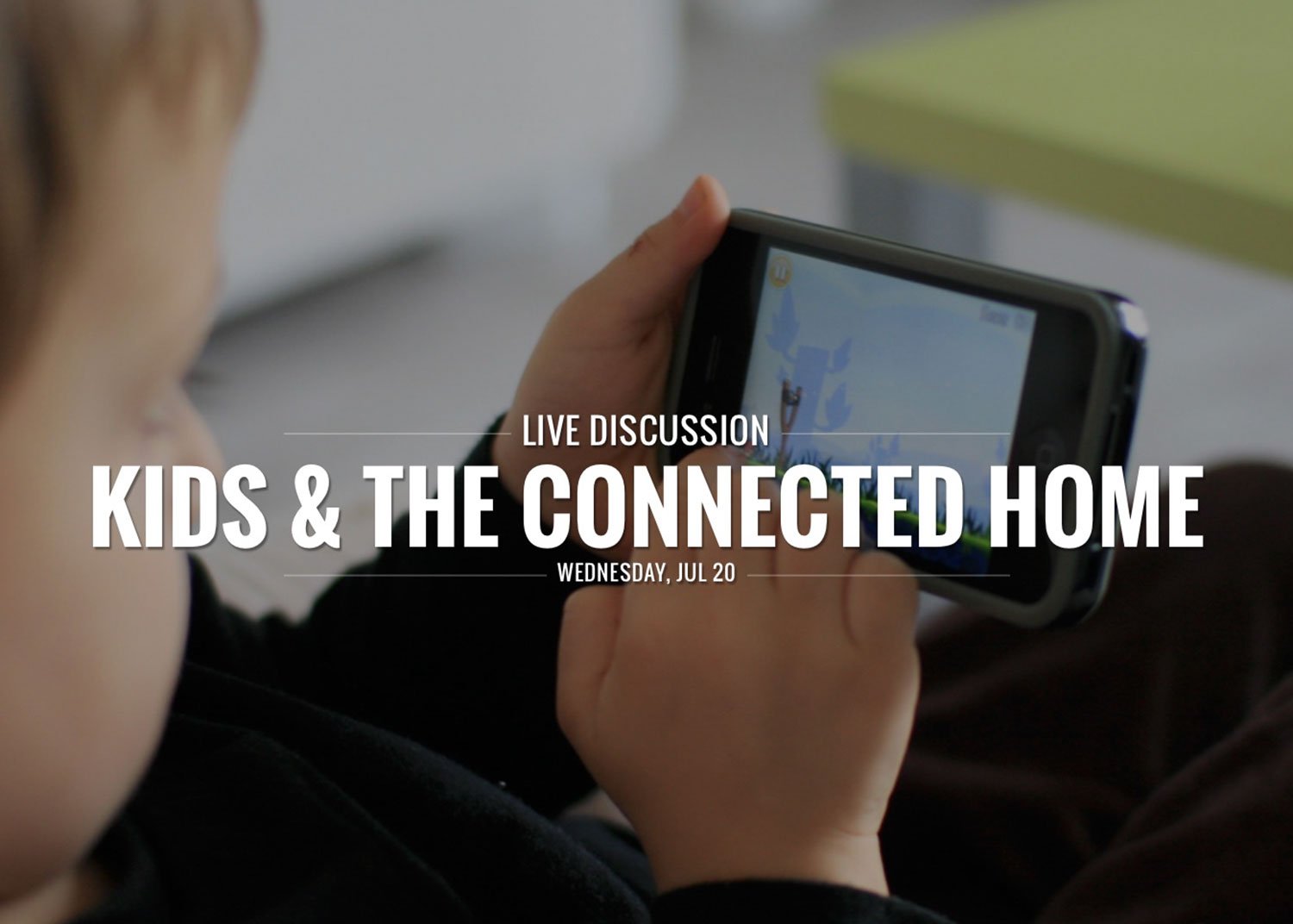
July 20th Event: Kids & The Connected Home
The debate over the relationship between children and technology has been heated and complex. Issues ranging from the right amount of screen time, online privacy, safety and security have occupied policymakers, parents, and advocates for quite some time.
Protecting privacy and promoting inclusion with the 'Internet of Things'
To technologists and innovators, the “Internet of Things” (IoT) represents a world of exciting new benefits that will solve important technical and social problems. To critics, IoT represents a world of pervasive surveillance, with toys that spy on kids and microphone-enabled devices recording and retaining our most personal data.
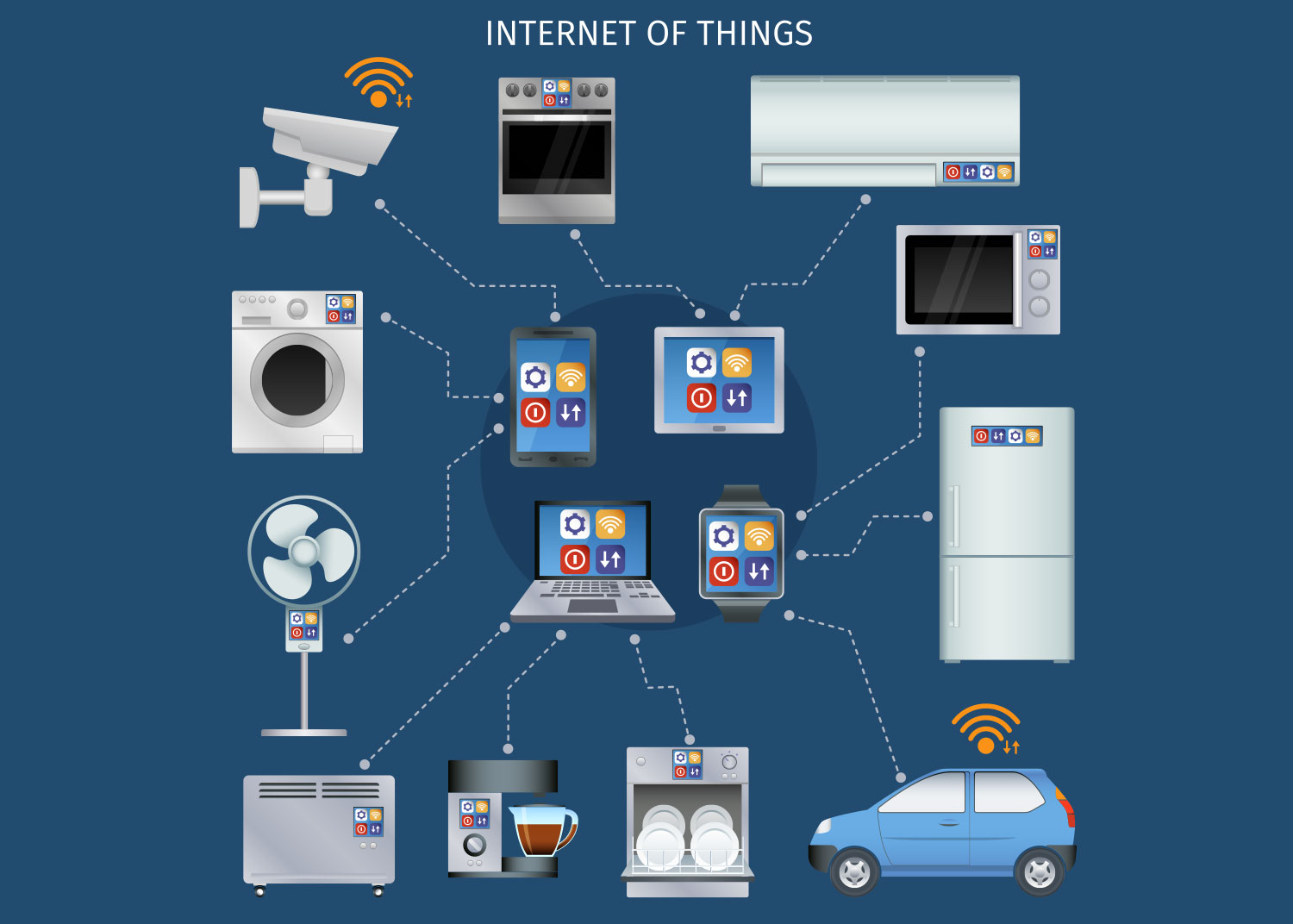
The Benefits, Challenges, and Potential Roles for the Government in Fostering the Advancement of the Internet of Things
Yesterday, the Future of Privacy Forum filed comments with the National Telecommunications and Information Administration (NTIA) in response to NTIA’s inquiry into the Internet of Things (IoT). NTIA asked policy experts and other stakeholders to identify key issues affecting deployment the IoT – a broad category of devices, appliances, and objects that can be connected via the Internet.
W&L Law Offers DC-based Cyber Law and Privacy Seminar with Future of Privacy Forum
The course, titled “Cyber Policy and Privacy Law,” will be co-taught by Professor Margaret Hu and Jules Polonetsky, CEO at FPF. The course will examine how the expanding role of the internet, big data, e-commerce, social media, and wearable technology has strained the preexisting regulatory and constitutional frameworks that have guided privacy protections under the law.

The CNIL released its inspection program for 2016 revealing sectors of focus
In 2016, the CNIL plans to conduct between 400 and 450 inspections: 25% of inspections will be related to the three themes set out in the CNIL’s 2016 annual program, 20% will be based on complaints received by the CNIL, 35% will be undertaken after formal notices or sanctions, at the CNIL’s initiative or related to news topics, and the remaining 20% will aim to check video surveillance systems.