
Education is changing. New technologies are allowing information to flow within schools and beyond, enabling new learning environments and providing new tools to improve the way teachers teach and the way students learn. Data-driven innovations are bringing advances in teaching and learning but are accompanied by concerns about how education data, particularly student-generated data, are being collected and used.
The Future of Privacy Forum believes that there are critical improvements to learning that are enabled by data and technology, and that the use of data and technology is not antithetical to protecting student privacy. In order to facilitate this balance, FPF equips and connects advocates, industry, policymakers, and practitioners with substantive practices, policies, and other solutions to address education privacy challenges at both the K-12 and higher ed levels.




Future of Privacy Forum Comment Regarding Senator Bill Nelson's Report, “Children's Connected Toys: Data Security and Privacy Concerns”
Today, Senator Nelson’s office released a report outlining several privacy and security implications of “connected toys” that the office identified based on conversations with six major toy manufacturers. The report emphasizes the unique sensitivity of children’s personal information; urges toymakers to build privacy and security into their toys from the inception; and suggests that the FTC has authority to monitor and bring enforcement actions under Section 5 and the Children’s Online Privacy Protection Act (COPPA).

Parents Support School Tech and Data, But Want Privacy Assurances: FPF 2016 Parent Survey
In 2015, the Future of Privacy Forum (FPF) set out to gain a better understanding of what public school parents actually know and want concerning the use of technology and collection of data in their children’s schools, as well as their perspectives on the benefits and risks of student data use within the educational system.
Protecting Privacy in the Age of Connected Toys
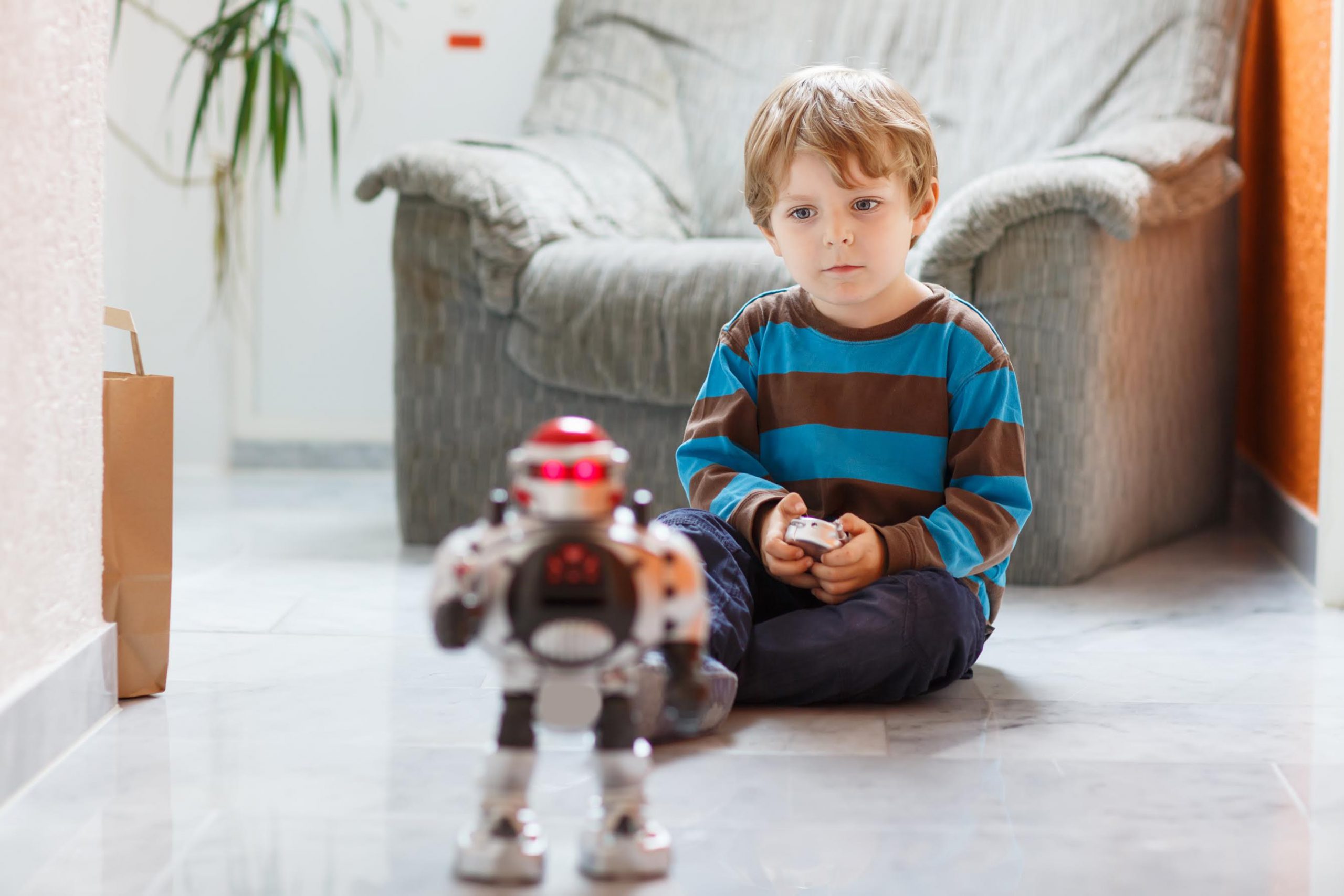
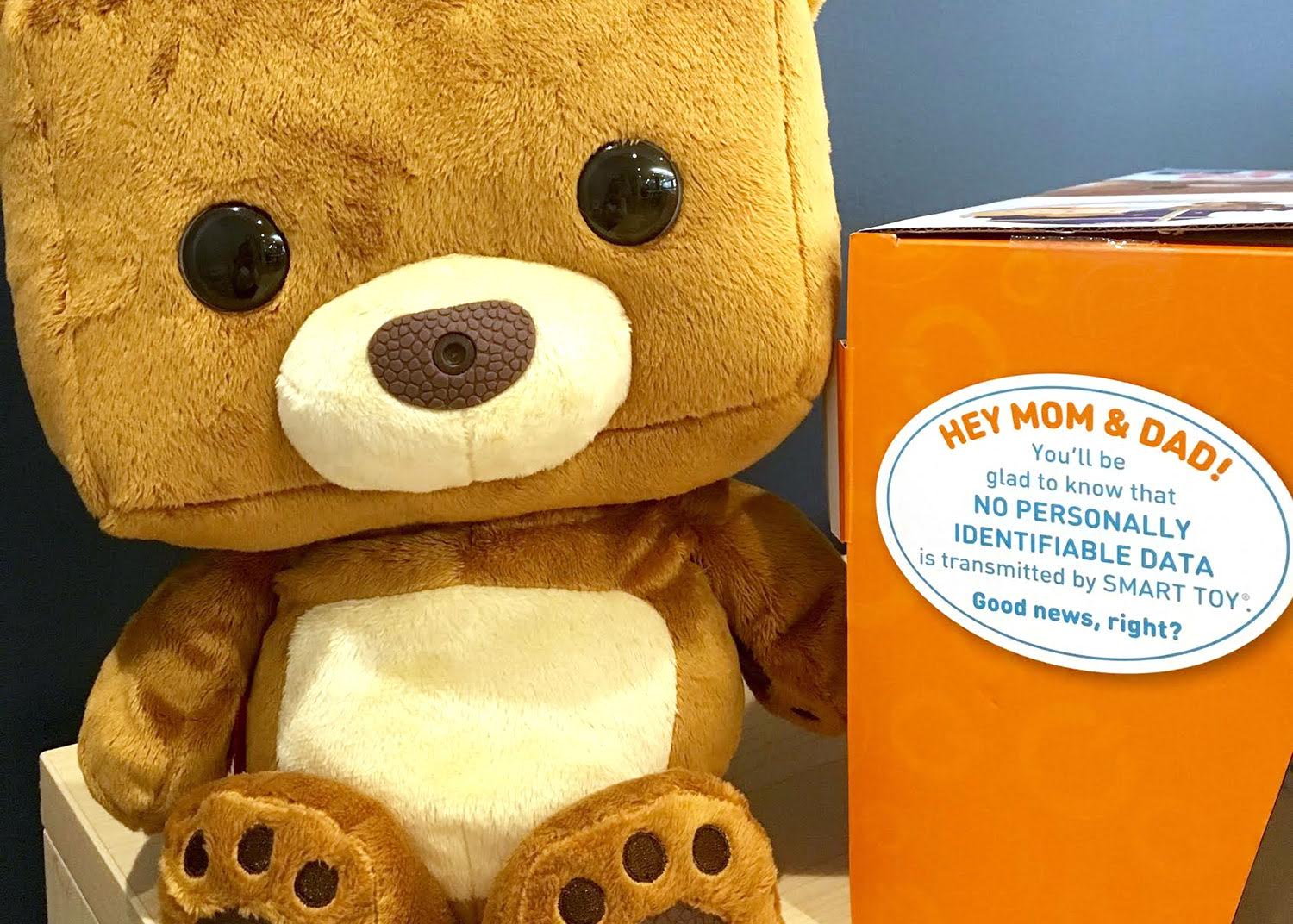
The paper describes the current landscape of connected toys, identifying what distinguishes them from conventional toys and other smart toys. The white paper analyzes existing regulations under COPPA that have established important safeguards for information collected from children, and how those regulations apply.
Kids & The Connected Home: Privacy in the Age of Connected Dolls, Talking Dinosaurs, and Battling Robots
Today, at the 2016 Family Online Safety Institute (FOSI) Annual Conference, the Future of Privacy Forum (FPF) and FOSI released a white paper, Kids & The Connected Home: Privacy in the Age of Connected Dolls, Talking Dinosaurs, and Battling Robots.

Georgetown – FPF: Valuable Partnership and Talent Channel
Each of the last three years, FPF has taken a top Georgetown student and immersed them in the world of privacy. FPF fellows collaborate with advocates, academics, and companies and handle projects that lead to best practices, white papers, codes of conduct, and the like.

Supporting Parental Choice for Student Data
Today, the Future of Privacy Forum (FPF) released, “Supporting Parental Choice for Student Data.” The paper discusses the importance of trusting parents to make the final decision on when and where to share their child’s educational information outside of the school environment.

Student Privacy Pledge Reaches Milestone of 300 Signatories
The Future of Privacy Forum (FPF) and the Software & Information Industry Association (SIIA) are pleased to announce that the Student Privacy Pledge has passed a new milestone – over 300 ed tech company signatories. The Pledge is a list of commitments that school service providers can make to affirm that K-12 student information is kept private and secure.
Kids, Connected Toys and Devices, and Privacy
At FPF, we recognize the benefits that connected home technologies can provide to individuals, families, and kids. We also know that privacy issues can make or break adoption of connected home tech – particularly questions about whether kids’ privacy and security are sufficiently safeguarded. Families are using voice controlled devices to search the web, play games, and order products.
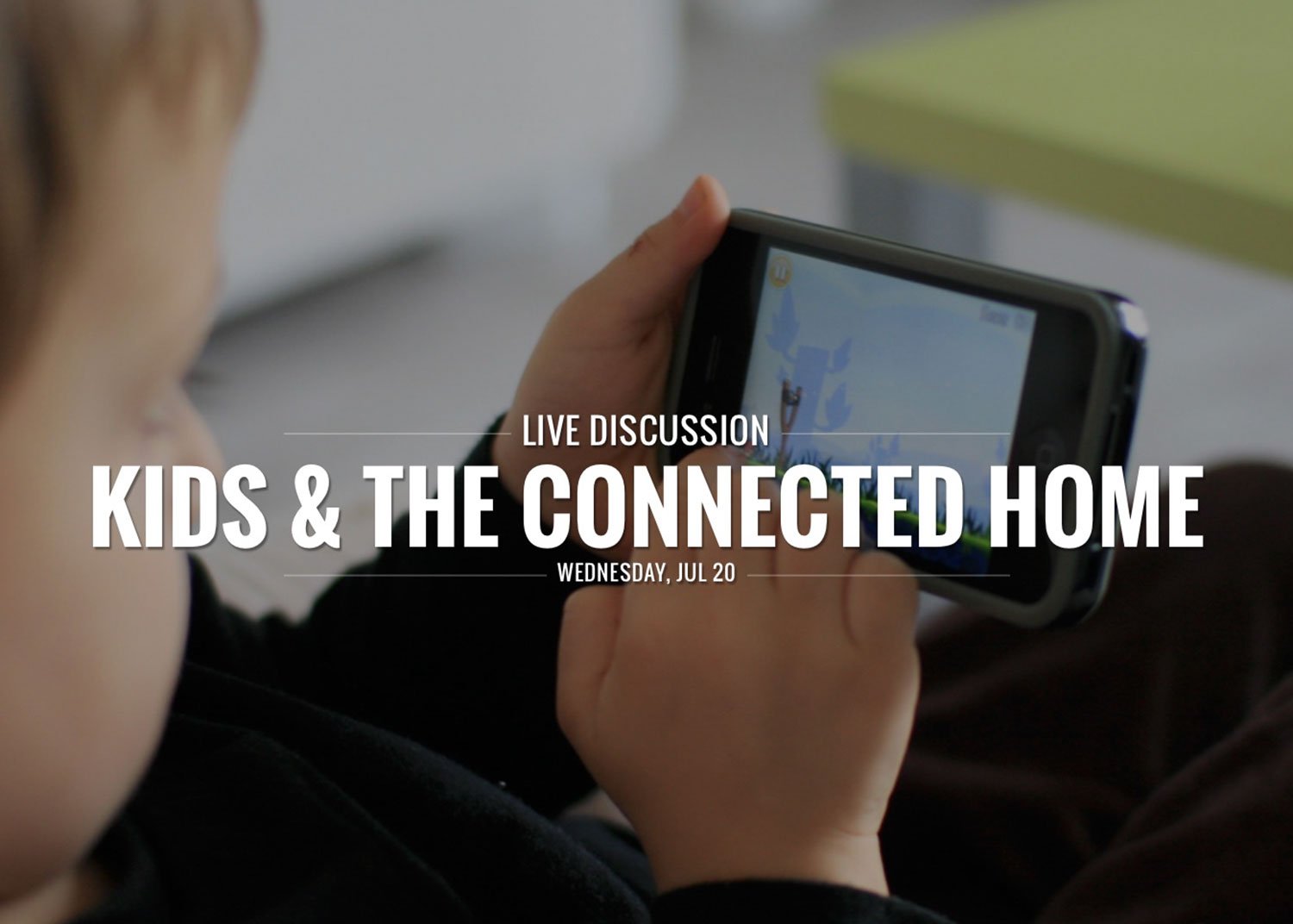
July 20th Event: Kids & The Connected Home
The debate over the relationship between children and technology has been heated and complex. Issues ranging from the right amount of screen time, online privacy, safety and security have occupied policymakers, parents, and advocates for quite some time.

June 22nd Webinar: PII Cookies and De-Identification – Accounting for Shades of Grey
Despite a broad consensus around the need for and value of de-identification, one of the biggest challenges in the privacy profession remains how to determine when data is, or is not, de-identified. Join us for this in-depth discussion on how and when privacy professionals, industry groups, and regulators around the world have tackled this thorny question.