
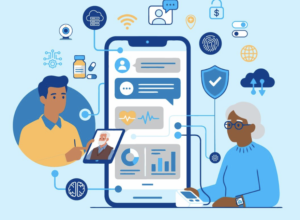
Healthcare technologies are rapidly evolving, producing new data types and innovative data uses. Data and technology can bring significant enhancements to the healthcare system, deepen patients’ and consumers’ engagement and understanding about their health, and be used as part of initiatives meant to improve health outcomes. It is critical to analyze how sensitive health and wellness data affect individual privacy and understand what it means for doctors, researchers, and companies to responsibly use such data. The FPF health team continues to build on its prior work on Consumer Wearables and Wellness Apps and Devices and Privacy Best Practices for Consumer Genetic Testing Services by exploring and addressing issues at the forefront and intersection of health, data, and privacy. Of main focus are the privacy challenges related to the collection, use, and sharing of both medical data and data that falls outside of the scope of HIPAA and FDA regulations. FPF brings together stakeholders to analyze how new technologies and data practices in the health ecosystem can impact individual privacy and promote the more effective and ethical use of data.




Mobile Apps Study Underscores Necessity of Strong Best Practices for Health and Wellness Data
Kelsey Finch, FPF Policy Counsel, presented FPF’s 2016 Mobile Apps Study at the Federal Trade Commission’s annual PrivacyCon on January 12, 2017. Kelsey presented a visual representation of the App Study designed by FPF Fellow, Carolina Alonso. See the visual.

The Privacy Policy Snapshot Challenge – $20,000 First Prize.
The Privacy Policy Snapshot Challenge calls upon developers, designers, health data privacy experts, and creative, out-of-the-box thinkers to use the US Department of Health and Human Services ONC’s Model Privacy Notice template to create an online tool that can generate a user-friendly “snapshot” of a product’s privacy practices.
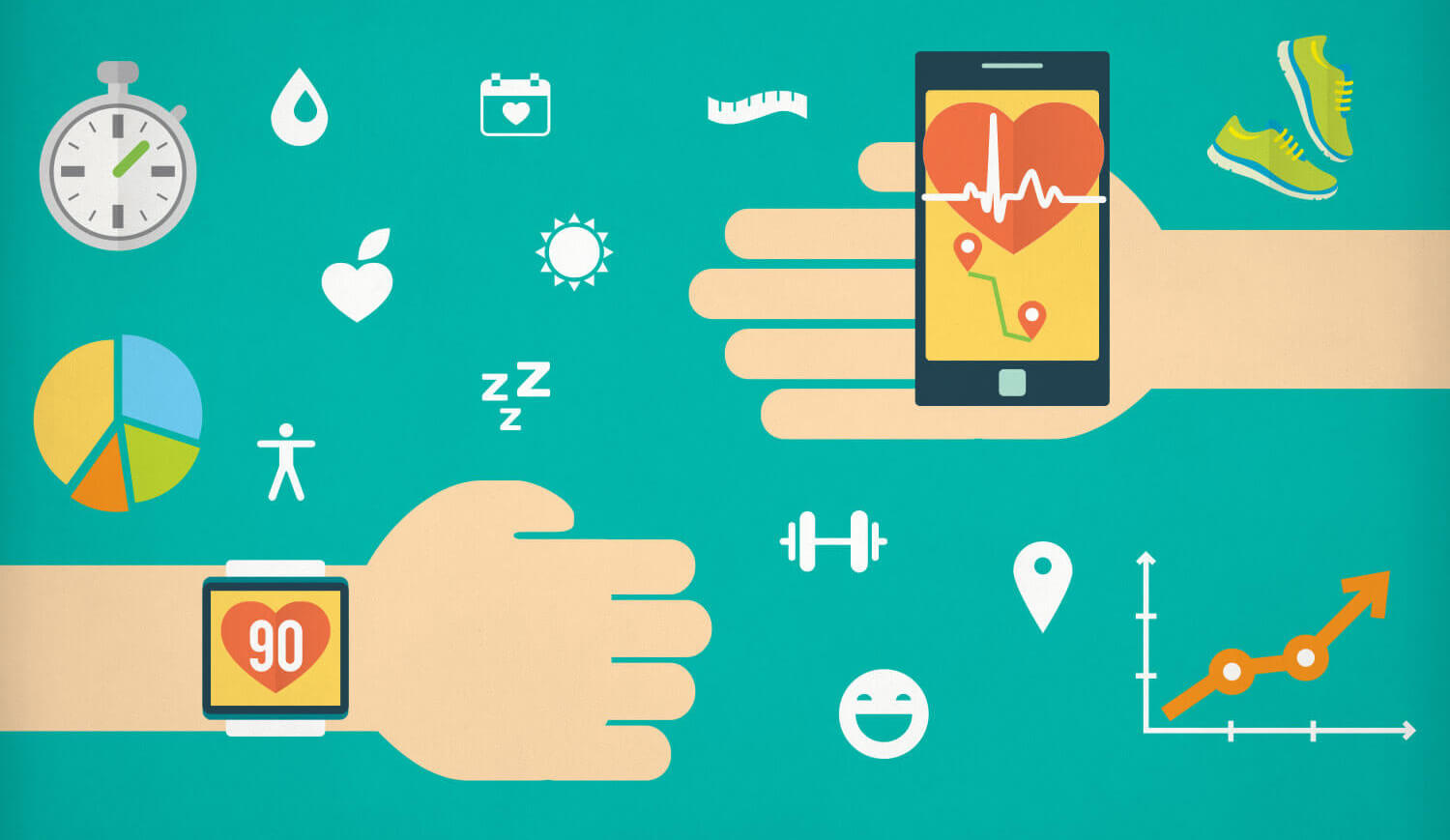
FPF Statement on Privacy and Wearables
A new report released today by the Center for Digital Democracy and the School of Communications at American University focuses on privacy and wearables. As a recent HHS report made clear, the data collected by most wearables is not regulated to the same degree as information you provide to your doctor. But several mechanisms have ensured that many health and fitness apps respect users’ data – the leading app platforms impose strong privacy requirements, barring sale of sensitive data and requiring enhanced notice.

Future of Privacy Forum and Carnegie Mellon University Research Leads to New Tool from California Attorney General
Last week, California’s Attorney General, Kamala D. Harris, (‘Attorney General Harris’) announced the release of a new form that allows consumers to report potential violations of the California Online Privacy Protection Act (CalOPPA) by websites and online services.
Future of Privacy Forum Releases Best Practices for Consumer Wearables and Wellness Apps and Devices
Washington, DC – Today, the Future of Privacy Forum (FPF) released Best Practices for Consumer Wearables and Wellness Apps and Devices, a detailed set of guidelines that responsible companies can follow to ensure they provide practical privacy protections for consumer-generated health and wellness data. The document was produced with support from the Robert Wood Johnson Foundation and incorporates input from a wide range of stakeholders including companies, advocates, and regulators.
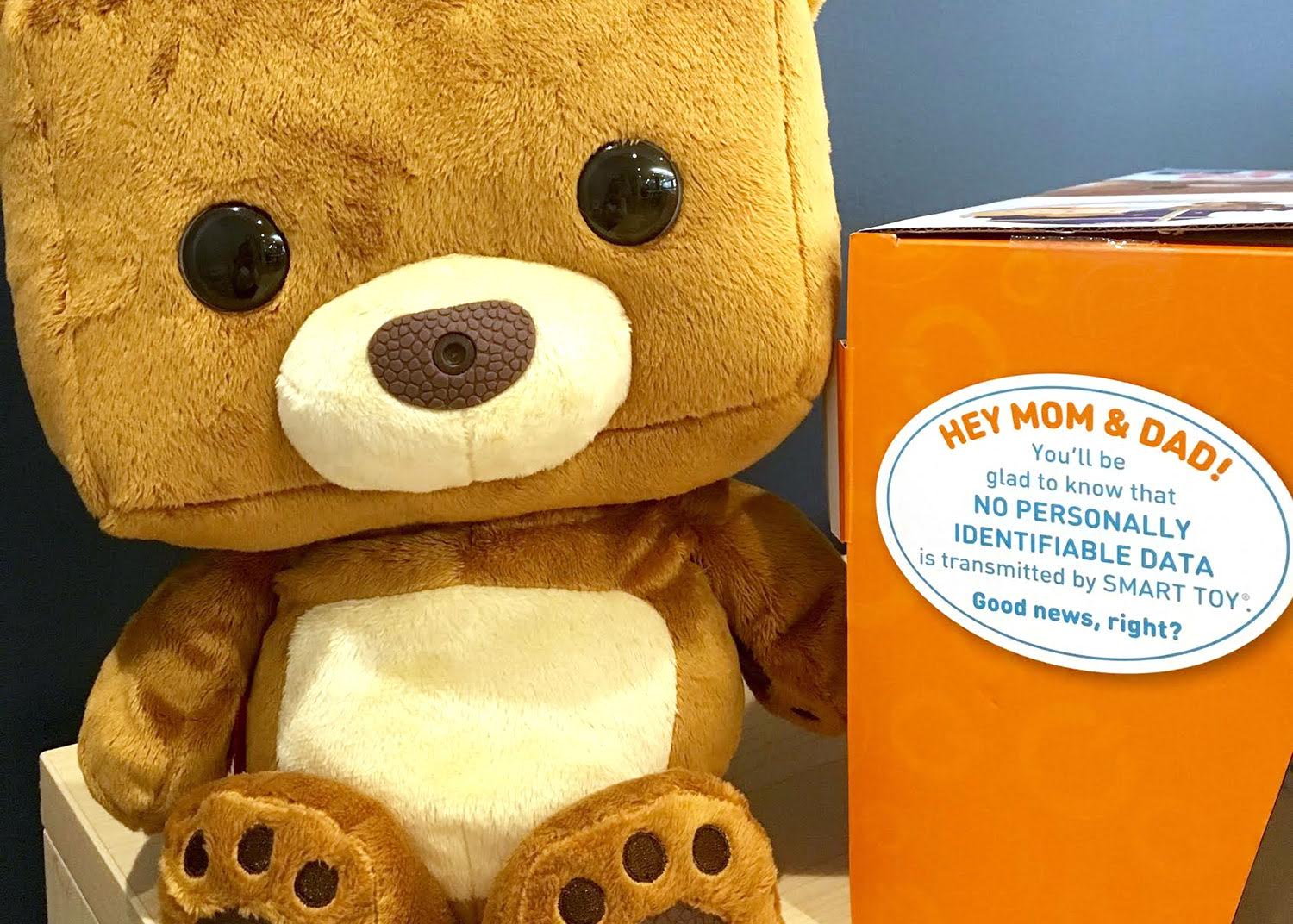
Kids, Connected Toys and Devices, and Privacy
At FPF, we recognize the benefits that connected home technologies can provide to individuals, families, and kids. We also know that privacy issues can make or break adoption of connected home tech – particularly questions about whether kids’ privacy and security are sufficiently safeguarded. Families are using voice controlled devices to search the web, play games, and order products.
FPF Advisory Board Member William McGeveran Publishes Privacy and Data Protection Law
We are pleased to share that FPF Advisory Board member William McGeveran published Privacy and Data Protection Law on June 24, 2016. The textbook covers statutory and regulatory regimes such as FTC enforcement, medical privacy, and the Patriot Act.
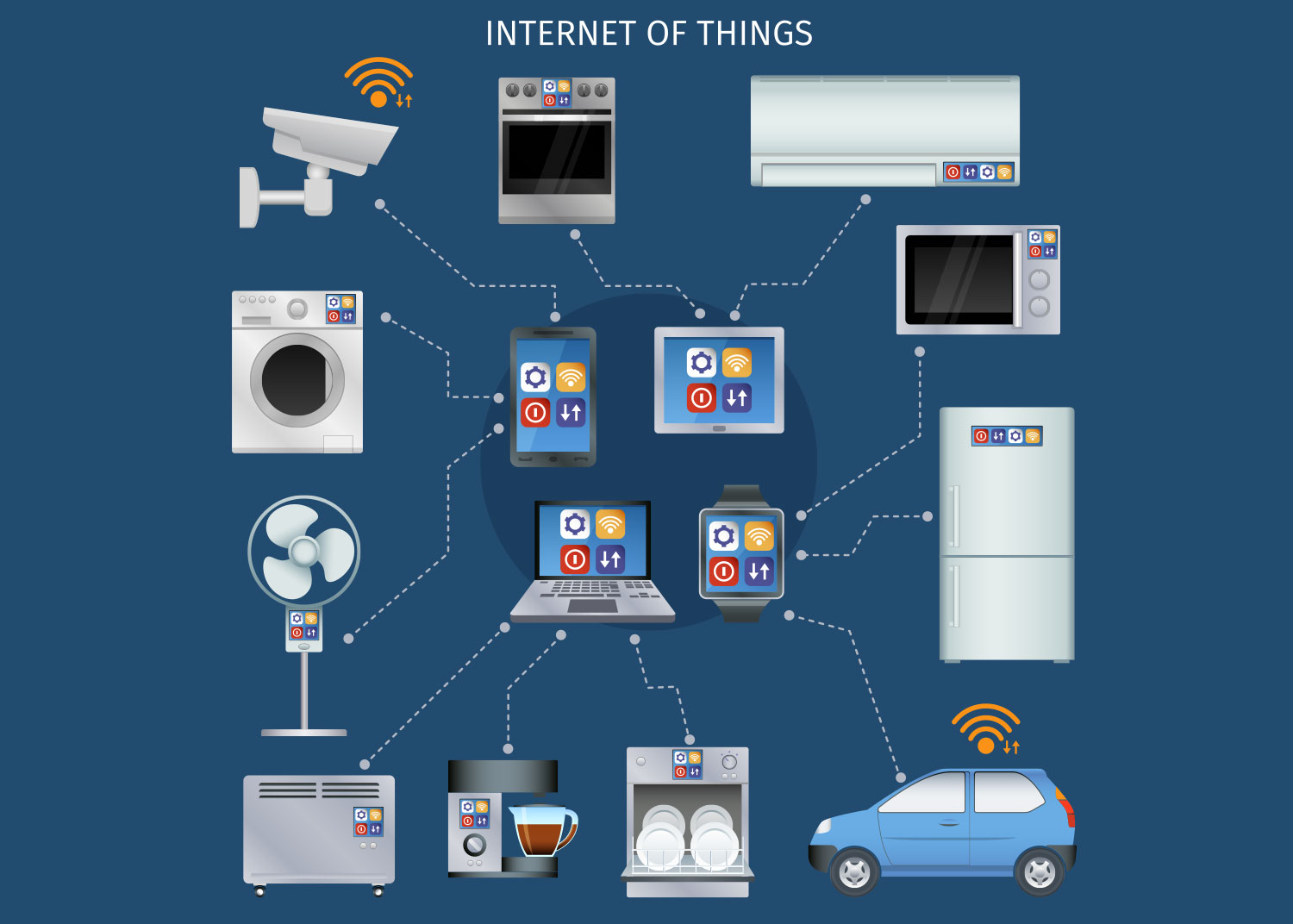
The Benefits, Challenges, and Potential Roles for the Government in Fostering the Advancement of the Internet of Things
Yesterday, the Future of Privacy Forum filed comments with the National Telecommunications and Information Administration (NTIA) in response to NTIA’s inquiry into the Internet of Things (IoT). NTIA asked policy experts and other stakeholders to identify key issues affecting deployment the IoT – a broad category of devices, appliances, and objects that can be connected via the Internet.
June 14th Event: A Roundtable on Ethics, Privacy, and Research Reviews
Please join the Future of Privacy Forum (FPF) and the Ohio State University’s Program on Data and Governance in Washington, DC, on Tuesday, June 14, 2016, for a discussion of ethics, privacy and practical research reviews in corporate settings.

The CNIL released its inspection program for 2016 revealing sectors of focus
In 2016, the CNIL plans to conduct between 400 and 450 inspections: 25% of inspections will be related to the three themes set out in the CNIL’s 2016 annual program, 20% will be based on complaints received by the CNIL, 35% will be undertaken after formal notices or sanctions, at the CNIL’s initiative or related to news topics, and the remaining 20% will aim to check video surveillance systems.