
Organizations are increasingly developing or deploying “immersive technologies,” a collection of hardware and software products that substitute, enhance, or alter users’ individual, physical-world experiences. These emerging technologies—which include tools like extended reality (XR), virtual worlds, and brain-computer interfaces (BCIs)—have the potential to transform healthcare, education, entertainment, advertising, and other sectors. However, because they often rely on large amounts and kinds of personal, potentially sensitive data, they also raise important privacy and data protection questions. Without safeguards, data about people’s bodies, behaviors, and surrounding environments could be inferred and used to manipulate, discriminate against, or otherwise harm both users and bystanders. FPF works with experts from industry, academia, and civil society to identify the unique privacy and data protection risks in this nascent field, analyze how existing and emerging regulations implicate immersive technologies, and develop best practices and policy recommendations.





FPF Announces new APAC Director, Hosts Panel for Singapore Personal Data Protection Week 2022
As part of this year’s Personal Data Protection Week in Singapore, the Future of Privacy Forum (FPF) — a global non-profit focused on data privacy, data protection and emerging technology policy — will host “Data Sovereignty, Data Transfers and Data Protection – Impact on AI and Immersive Tech” on July 21, 2022, from 9:30 a.m. […]

BCI Commercial and Government Use: Gaming, Education, Employment, and More
This post is the third in a four-part series on Brain-Computer Interfaces (BCIs), providing an overview of the technology, use cases, privacy risks, and proposed recommendations for promoting privacy and mitigating risks associated with BCIs. Click here for FPF and IBM’s full report: Privacy and the Connected Mind. In case you missed them, read the […]

12th Annual Privacy Papers for Policymakers Awardees Explore the Nature of Privacy Rights & Harms
The winners of the 12th annual Future of Privacy (FPF) Privacy Papers for Policymakers Award ask big questions about what should be the foundational elements of data privacy and protection and who will make key decisions about the application of privacy rights. Their scholarship will inform policy discussions around the world about privacy harms, corporate […]

FPF in 2021: Delivering Privacy Insights & Expert Analysis
With the last days of 2021 upon us, we wanted to take a moment to reflect on this exciting year that saw FPF expand its presence both domestically and around the globe, while producing engaging events, thought-provoking analysis, and insightful reports with real-world impact. Growing Global Expertise The scope of FPF’s international work continued to […]

FPF Report Outlines Opportunities to Mitigate the Privacy Risks of AR & VR Technologies
A new report from the Future of Privacy Forum (FPF), Augmented Reality + Virtual Reality: Privacy & Autonomy Considerations in Emerging, Immersive Digital Worlds, provides recommendations to address the privacy risks of augmented reality (AR) and virtual reality (VR) technologies. The vast amount of sensitive personal information collected by AR and VR technologies creates serious risks […]

Join FPF For XR Week: April 19th-23rd, 2021
Adoption of augmented and virtual reality hardware and software technologies – collectively known as extended reality or “XR” – is taking hold among businesses and individuals. If you’d like to engage in the discussion about the ethical and privacy considerations of XR tech, join our XR Week activities April 19th to 23rd! After decades of development, demonstrations, […]
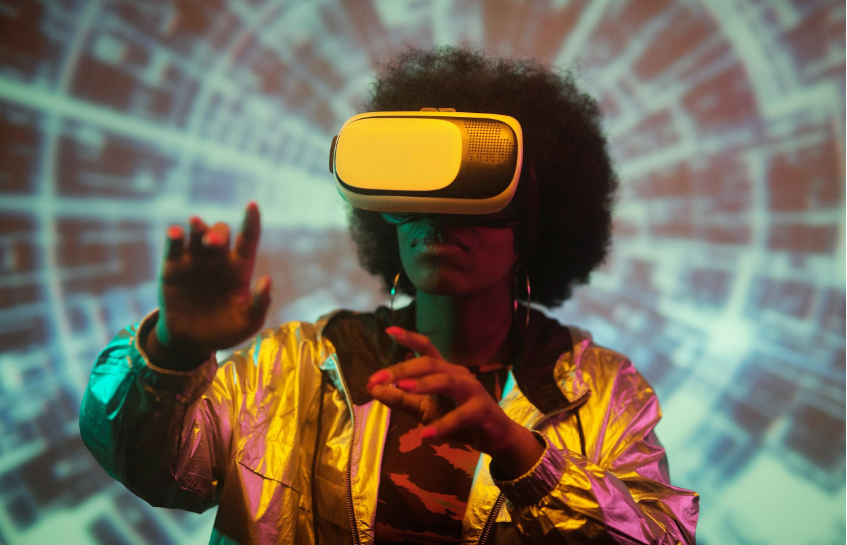
Seven Questions to Ask if You Have XR on Your Holiday Wish List
The holidays are right around the corner, and with so many of us sheltering in place in response to COVID-19, some are looking for an escape from the same four walls. Enter XR to help virtually transport us to new worlds, immersive games, and social interactions. XR, or extended reality, is an umbrella term for […]

Five Top of Mind Data Protection Recommendations for Brain-Computer Interfaces
By Jeremy Greenberg, [email protected] and Katelyn Ringrose [email protected]. Key FPF-curated background resources – policy & regulatory documents, academic papers, and technical analyses regarding brain-computer interfaces are available here. Recently, Elon Musk livestreamed an update for Neuralink—his startup centered around creating brain-computer interfaces (BCIs). BCIs are an umbrella term for devices that detect, amplify, and translate […]

Artificial Intelligence and the COVID-19 Pandemic
By Brenda Leong and Dr. Sara Jordan Machine learning-based technologies are playing a substantial role in the response to the COVID-19 pandemic. Experts are using machine learning to study the virus, test potential treatments, diagnose individuals, analyze the public health impacts, and more. Below, we describe some of the leading efforts and identify data protection […]
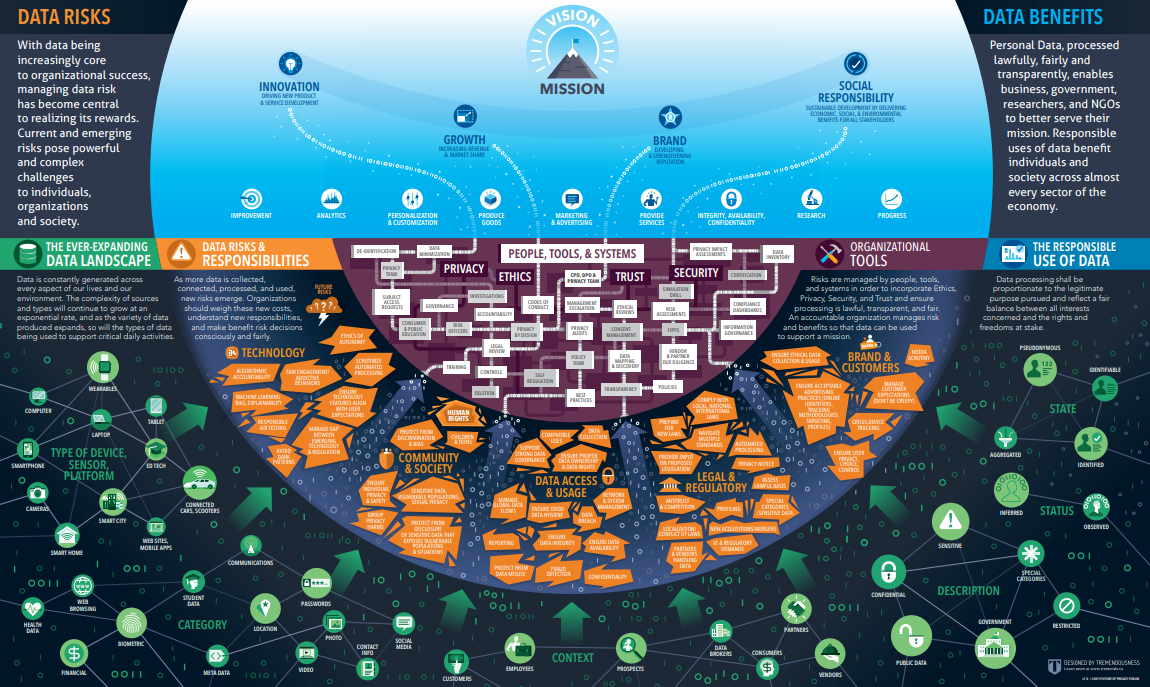
Privacy 2020: 10 Privacy Risks and 10 Privacy Enhancing Technologies to Watch in the Next Decade
Today, FPF is publishing a white paper co-authored by CEO Jules Polonetsky and hackylawyER Founder Elizabeth Renieris to help corporate officers, nonprofit leaders, and policymakers better understand privacy risks that will grow in prominence during the 2020s, as well as rising technologies that will be used to help manage privacy through the decade. Leaders must understand […]