
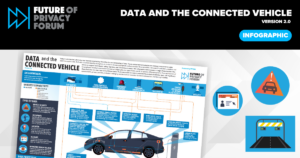
Mobility-related technologies are evolving rapidly, transforming the safety and convenience of transportation. Many of these new features are enabled by the collection of new types of data, putting the topic of privacy in connected cars and other modes of transportation on the agenda of industry, policymakers, and regulators. Advancing sensible practices will be essential to ensure that the collection and use of this data is responsible, thoughtful, and communicated effectively to consumers.






Privacy Features of iOS 12 and MacOS Mojave
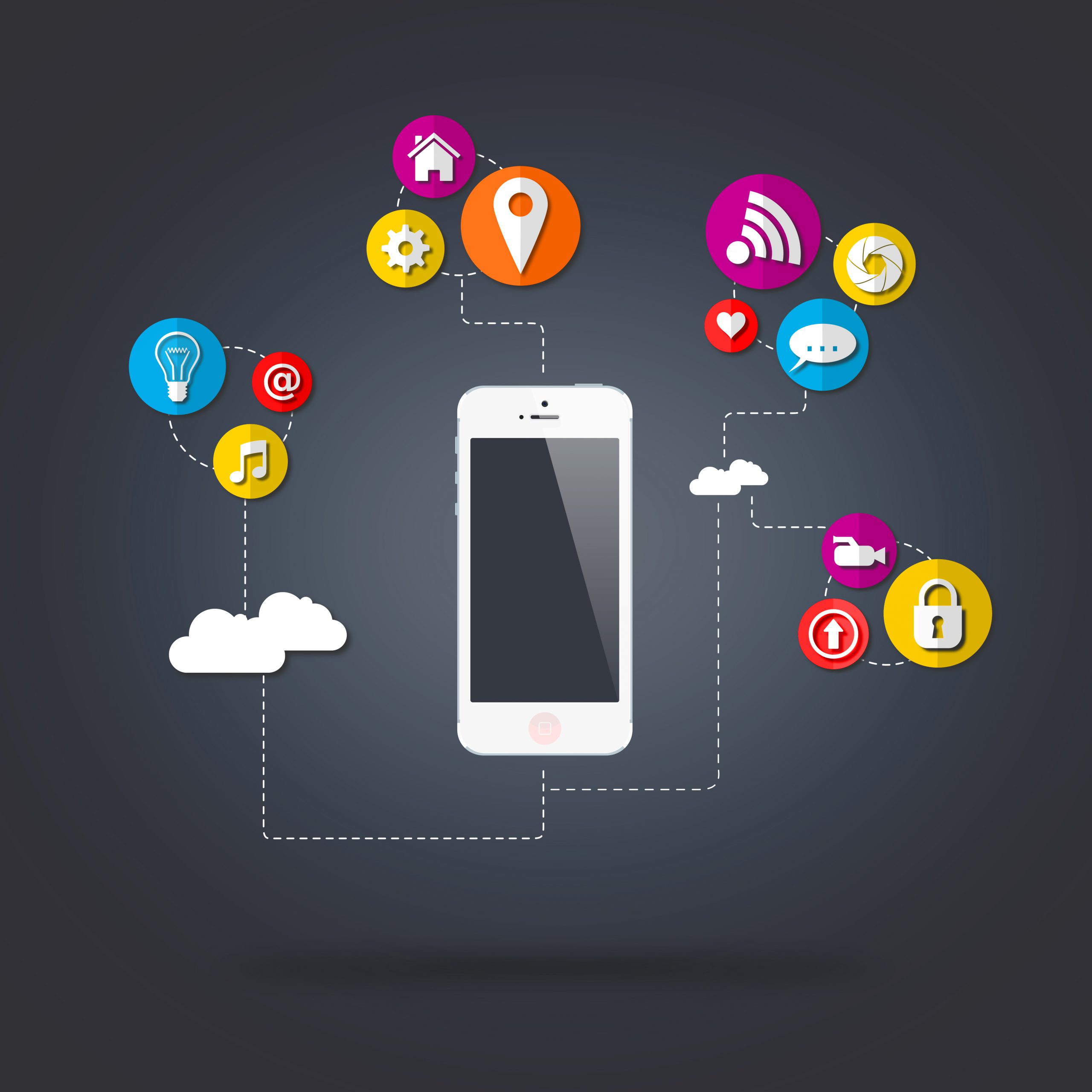
With much media attention focused on new Apple hardware, including new iPhones, Apple also released updated versions of its mobile and desktop operating systems for public download this week. The software upgrades (iOS 12 for iPhones, and macOS 10.14 Mojave for desktop Macs) bring many new features, such as Group FaceTime, options to customize notifications, and aesthetic changes such as an optional desktop “Dark Mode.
September 24th in Detroit, MI: Data and Privacy for Autonomous Vehicles
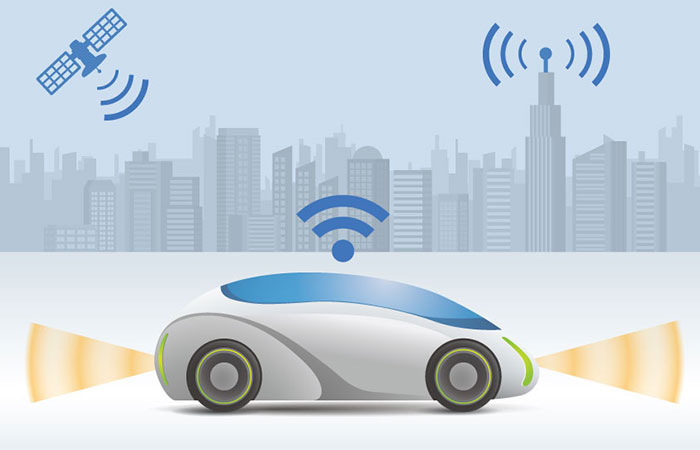
Autonomous vehicles are positioned to transform the future of mobility—a change enabled by new on-board sensors that collect and transmit growing types and quantities of data. While the existence of data in vehicles is not entirely new, autonomous vehicles promise an explosion in the variety, connectivity, volume of such data—raising new and unique considerations around what happens with it. As the automotive industry becomes more data-driven, getting consumer privacy right will become increasingly important.
PrivacyNews.TV
FPF uses Facebook Live to discuss timely topics. Watch some of our previous videos here and be sure to tune in live for our next discussion!
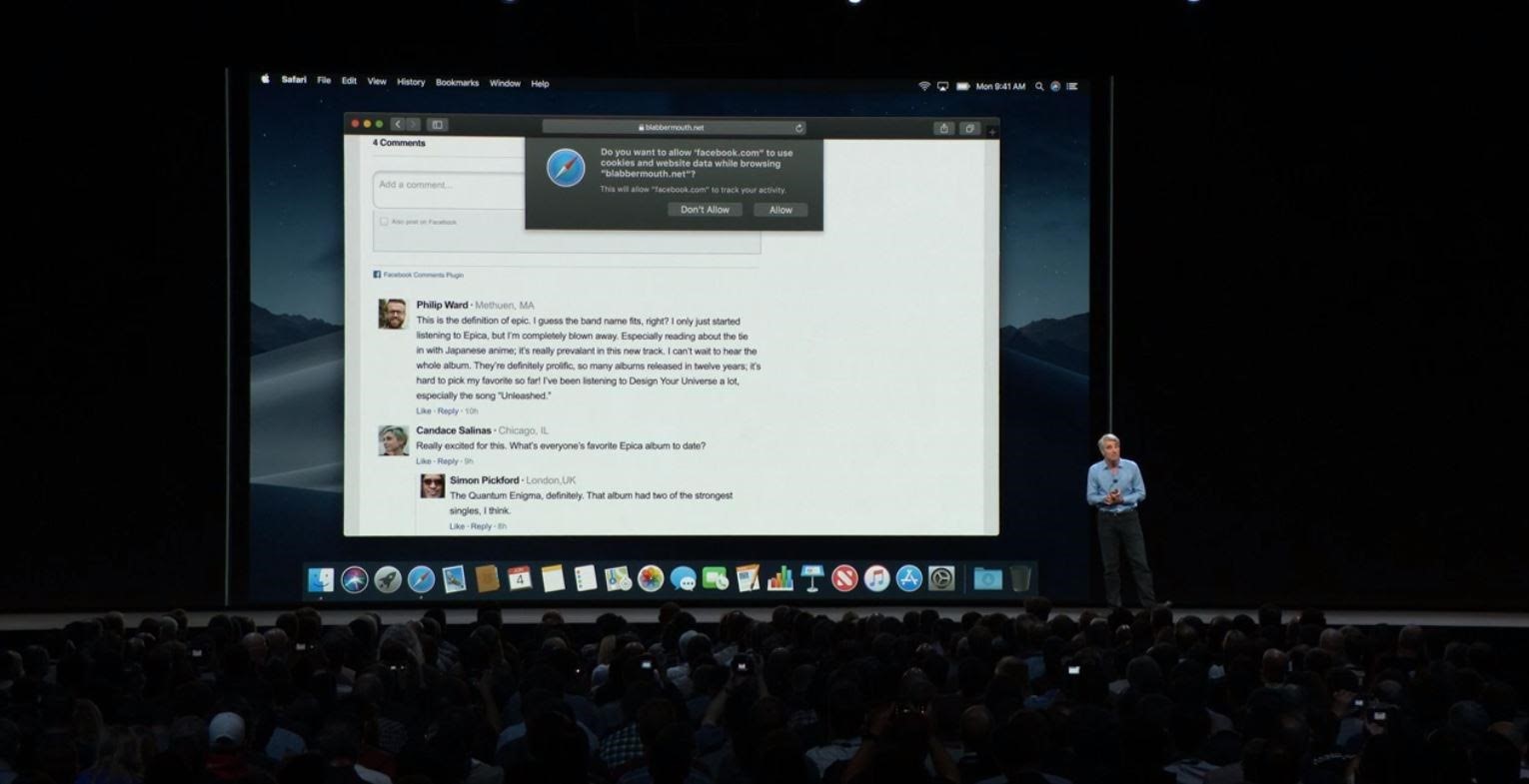
Mobile Platforms Address Data Privacy with 2018 Updates (iOS 12, Mojave, & Android P)
In light of recent debates over Facebook’s role in protecting users’ privacy against third-party app developers, many are recognizing the importance of mobile platforms in safeguarding user data. Apple emphasized privacy in its Worldwide Developers Conference (June 4-8, 2018), highlighting several privacy-related updates to the upcoming macOS and iOS 12. Google also made privacy a focus of their newest mobile operating system, Android P, with several key software updates that will restrict app developers’ access to data.

Empirical Research in the Internet of Things, Mobile Privacy, and Digital Advertising
In the world of consumer privacy, including the Internet of Things (IoT), mobile data, and advertising technologies (“Ad Tech”), it can often be difficult to measure real-world impact and conceptualize individual harms and benefits. Fortunately, academic researchers are increasingly focusing on these issues, leading to impressive scholarship from institutions such as the Princeton Center for Information Technology Policy (CITP), Carnegie Mellon University School of Computer Science, UC Berkeley School of Information, and many others, including non-profits and think tanks.

Data Privacy: It's Time to Treat Your Car Like a Smartphone
Lauren Smith, a FPF Policy Counsel, was recently featured in 2025 AD. Lauren leads the FPF Connected Cars Working Group, and serves a global expert and thought leader through speaking engagements, media interviews, and interaction with state and federal regulators and strategic partners. In this exclusive interview, she discusses best practices to advance privacy practices and understanding as new mobility technologies come to market.
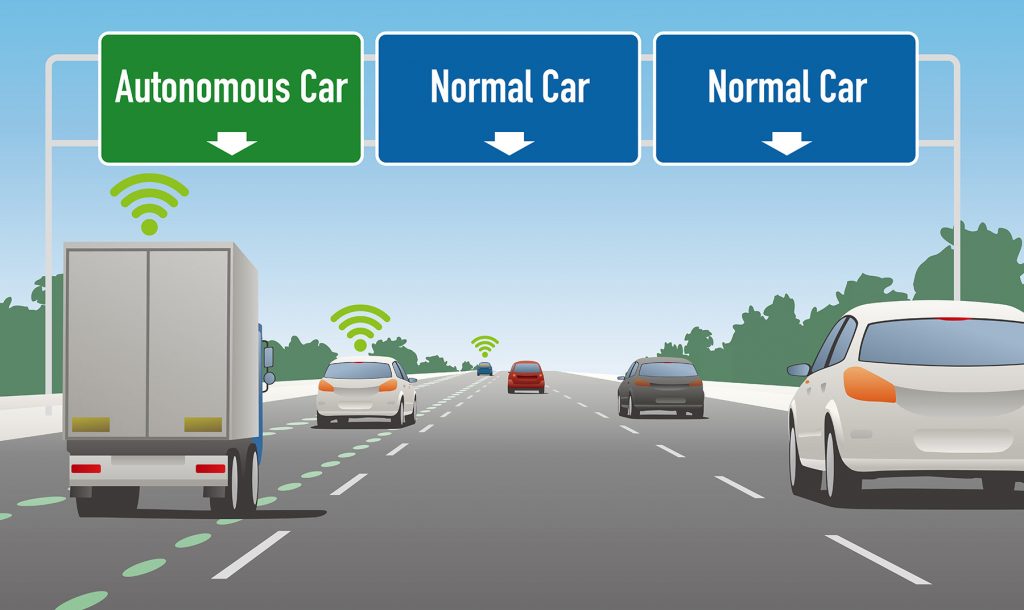
FPF Comments on CA Public Utilities Commission Autonomous Vehicle Passenger Service Proceeding
Last week, the Future of Privacy Forum filed written comments in response to the California Public Utilities Commission’s proposed decision authorizing pilot programs for passenger service in Autonomous Vehicles. The CPUC is a consumer protection agency that oversees, among other topics, provision of passenger service in the state. The proposed decision called for a number of criteria to be met by companies seeking to operate AV passenger service, including reporting of communications between passengers and remote operators of driverless AVs, as well as aggregated operations data.
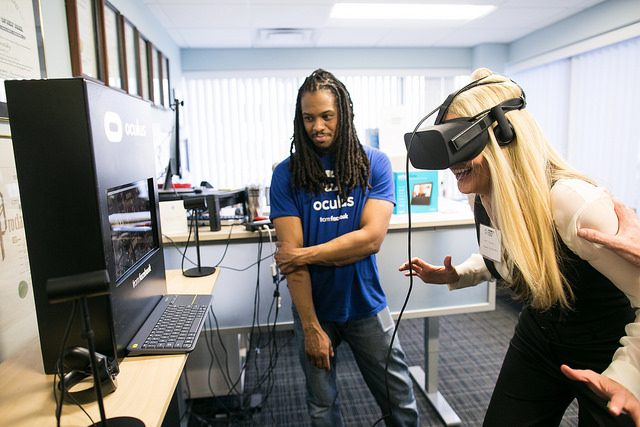
Policymakers, regulators, and privacy executives interact with latest connected tech at FPF’s Third Annual Tech Lab
FPF held the Third Annual Tech Lab Open House Monday, March 26, 2018, at our offices in Washington, D.C. The Tech Lab Open House provided an opportunity for us to host Privacy Commissioners and FPF members who were in town for the International Association of Privacy Professional’s Global Privacy Summit. The event also provided a rare occasion for policy makers, regulators, and thought leaders to interact with the latest in privacy-impacting gadgets and new technologies.
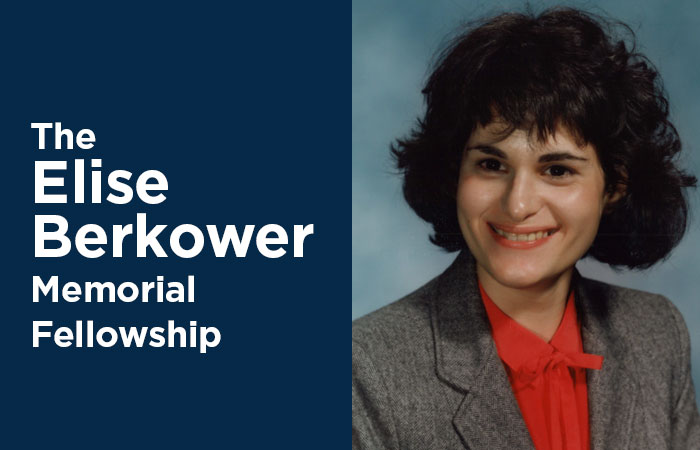
The Elise Berkower Memorial Fellowship
FPF launched a new fellowship in memory of Elise Berkower. Elise was a senior privacy executive at global measurement and data analytics company Nielsen for nearly a decade and was a valued, longtime member of the FPF Advisory Board. FPF graciously acknowledges the Berkower Family and the Nielsen Foundation as founding sponsors of the Elise Berkower Memorial Fellowship.

Deciphering “Legitimate Interests”: Report based on more than 40 cases from practice
FPF and Nymity collaborated to compile a Report on actual cases from practice and relevant guidance from the Article 29 Working Party and individual Data Protection Authorities (DPAs) concerning the use of “legitimate interests” as a lawful ground for processing under EU data protection law. Our aim is to help organizations better understand how to use and apply legitimate interests as a lawful basis for processing, while at the same time contributing to enhanced personal data protection for individuals.