
Connected technologies and always-on data flows are helping make today’s cities and communities more livable, productive, and sustainable. At the same time, these technologies raise concerns about individual privacy, freedom of choice, and institutional discrimination. How do we leverage the benefits of a data-rich society while giving members of our community the confidence of knowing their privacy is protected? How can we address pressing local problems — from housing to highways, potholes to policing — and deliver public services in equitable, privacy-conscious ways?
Working collaboratively with public, private, academic, and civil society leaders, FPF builds tools and best practices to guide how cities and local communities collect, manage, and use personal data to improve services for individuals. A cornerstone of this work is FPF’s Civic Privacy Leaders Network, a peer network supported by the National Science Foundation that brings together privacy leaders from 30+ local governments across the U.S. and Canada to navigate emerging privacy issues, share practical guidance, and promote fair and transparent data practices.
Visit the Smart Communities Resources web page for a comprehensive list of FPF’s ongoing work in this area.





Sidewalk Labs Releases Detailed Plans for Collaboration with City of Toronto on Quayside Smart City Project, Including Proposed Privacy and Data Protection Framework
By: Suzie Allen Experts Highlight Data Protection Safeguards, Opportunities, and Risks “Master Innovation and Development Plan” will be Vetted by City Residents, Officials Last week, Sidewalk Labs unveiled its proposed “Master Innovation and Development Plan” (MIDP) for Sidewalk Toronto, a project that would design a smart city district in Toronto’s Eastern Waterfront. The proposal will […]

A Conversation with Christopher Wolf, Founder of FPF
Christopher Wolf is the founder and Board President of the Future of Privacy Forum and a leading attorney in privacy and data protection. Chris helped break the path for privacy law and the modern Internet. He has had a hand in advising and shaping thinking on many leading-edge tech issues including Internet free speech, Internet […]
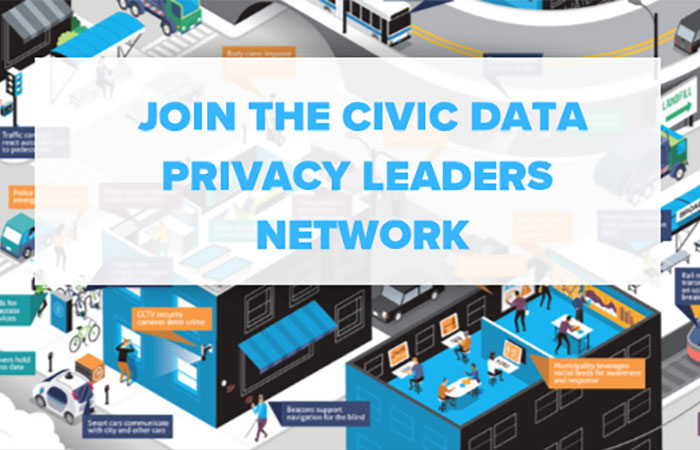
Municipal Leaders Joining Network to Advance Civic Data Privacy
Connected technologies and always-on data flows are helping make today’s cities and communities more livable, productive, and equitable. At the same time, these technologies raise concerns about individual privacy, autonomy, freedom of choice, and institutional discrimination. How do we leverage the benefits of a data-rich society while giving members of our community the confidence of […]

Privacy in Higher Education: A Conversation with Sara Collins
Innovation in higher education is increasingly fueled by data. From financial aid applications, to online classes, to student success initiatives, college students provide an extraordinary amount of data to schools, companies, and the government. This data provides unprecedented insights into student behavior, and colleges are using it to shape curricula, processes, and services to meet […]

FPF Comments on the Washington Privacy Act, SB 5376
Today, the Future of Privacy Forum submitted comments to the Washington State Senate Ways & Means Committee on the proposed Washington Privacy Act, Senate Bill 5376. FPF takes a “neutral” position regarding the Bill, and makes a few important points. FPF commends the Bill’s sponsors for addressing a broad set of individual data protection rights. […]

Smart Communities: A Conversation with Kelsey Finch
One of FPF Policy Counsel Kelsey Finch’s areas of focus is Smart Communities, a field which draws from many of FPF’s issue areas. From her Seattle office, she has the opportunity to do hands-on work with cities in the Pacific Northwest. Last year, she worked with city officials on Seattle’s first Open Data Risk Assessment, […]

IoT Devices Should Deal with Privacy Impacts for People with Disabilities
FOR IMMEDIATE RELEASE January 31, 2019 IoT Devices Should Deal with Privacy Impacts for People with Disabilities FPF Recommends Approaches to Incorporate Privacy, Accessibility by Design WASHINGTON, DC – The Future of Privacy Forum today released The Internet of Things (IoT) and People with Disabilities: Exploring the Benefits, Challenges, and Privacy Tensions. This paper explores […]
Limor Shmerling Magazanik Joins Israel Tech Policy Institute as Managing Director and Future of Privacy Forum as Senior Fellow
Washington, DC – November 20, 2018 – The Israel Tech Policy Institute and Future of Privacy Forum today announced Limor Shmerling Magazanik as ITPI Managing Director and FPF Senior Fellow. In this role, Magazanik will provide leadership on day-to-day operational matters of ITPI, including directing ITPI’s policy agenda; engaging policymakers, regulators, academics, and business leaders; convening multi stakeholder groups for discussion; and overseeing communications with the public and the advisory board.

Seeing the Big Picture on Smart TVs and Smart Home Tech
CES 2018 brought to light many exciting advancements in consumer technologies. Without a doubt, Smart TVs, Smart Homes, and voice assistants were dominant: LG has a TV that rolls up like a poster; Philips introduced a Google Assistant-enabled TV is designed for the kitchen; and Samsung revealed its new line of refrigerators, TVs, and other home devices powered by Bixby, their intelligent voice assistant.
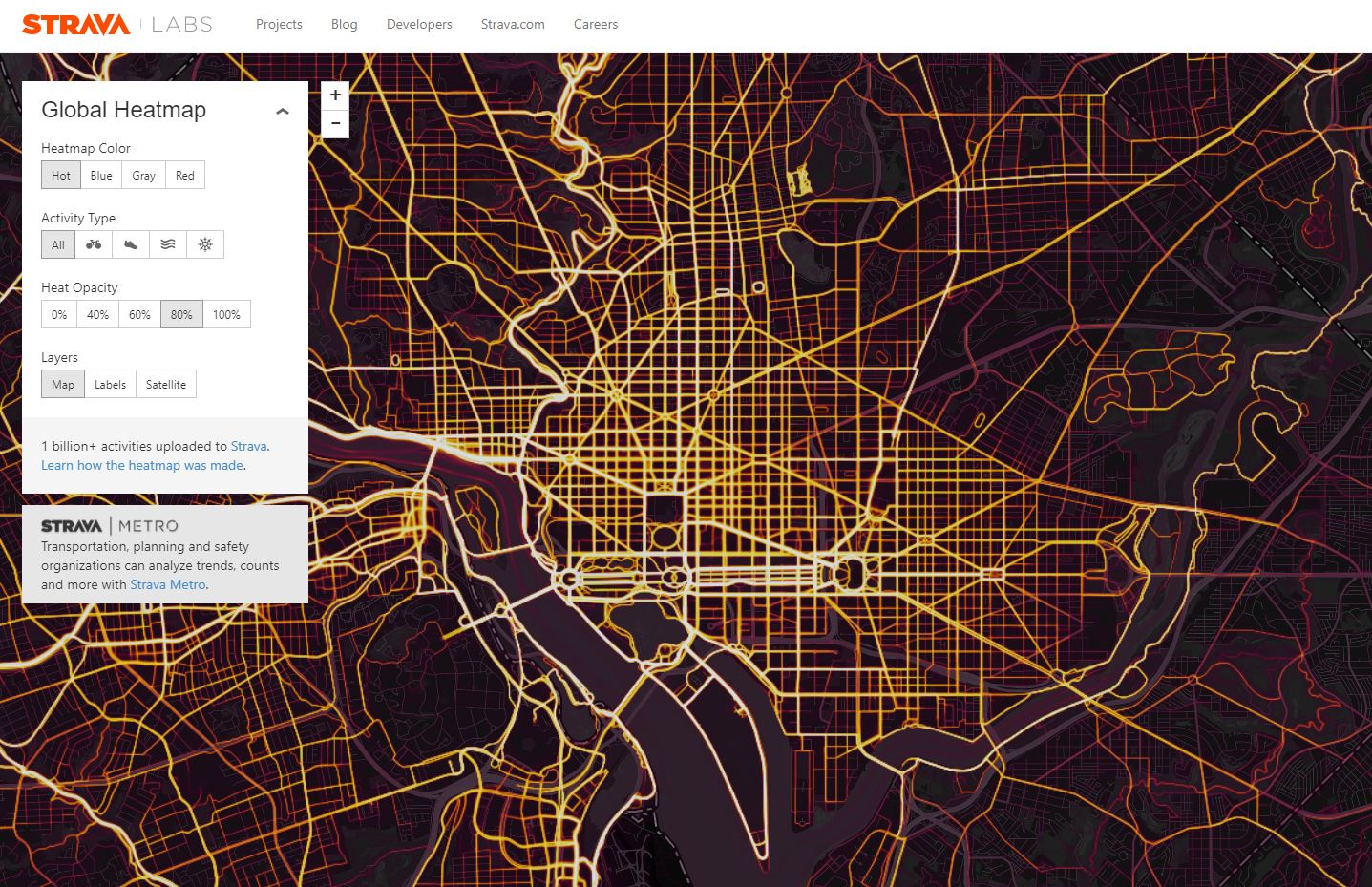
If You Can't Take the Heat Map: Benefits & Risks of Releasing Location Datasets
Strava’s location data controversy demonstrates the unique challenges of publicly releasing location datasets (open data), even when the data is aggregated.