
Across the United States, evolving data collection and processing practices and advances in artificial intelligence are driving new digital services, technologies, and socially beneficial research – while also raising new opportunities, risks, and questions for individuals and communities. In response, state and federal policymakers are considering new legislative and regulatory frameworks on three interconnected fronts: comprehensive consumer privacy laws that establish baseline rights and protections for personal data across the economy; frameworks that target specific sectors and practices such as automated decisionmaking, biometric identification, companion chatbots, data-driven pricing, data brokerage, frontier AI model safety, genetic data, and health data; and youth-specific privacy and online safety laws that set distinct rules for minors. These three tracks rarely stay in their lanes: a comprehensive privacy law may include AI provisions, an AI safety bill may carve out rules for minors, a youth online safety law may hinge on biometric age verification. Understanding the landscape requires understanding both the individual pieces and how they fit together.
FPF’s U.S. Legislation team provides expert, independent, pragmatic analysis of state and federal legislative and regulatory approaches to privacy, AI, and youth online safety – three distinct but increasingly intertwined issue areas. The team tracks emerging proposals, compares new laws against existing frameworks, analyzes implementation and compliance implications, and helps policymakers and stakeholders understand how legal requirements interact with current technologies, business practices, and data uses.
Through reports, blog posts, legislative and policy analyses, webinars, in-person and virtual peer-to-peer gatherings, and educational programs, FPF helps the broader technology policy and governance community understand the mechanisms and strategies available to protect privacy, promote responsible AI development and deployment, and advance youth online safety. FPF does not typically support or oppose particular bills. Instead, the U.S. Legislation team focuses on explaining the practical and legal implications of proposals – individually and as they interact with one another. This work helps ensure that privacy, AI, and youth safety compliance and policy strategies remain future-looking, adaptable, and workable for the continued, beneficial use of data and AI.
FPF’s U.S. Legislation team is led by Tatiana Rice, Senior Director.






Knowledge is Power: The Future of Privacy Forum launches FPF Training Program
“An investment in knowledge always pays the best interest”–Ben Franklin Let’s make 2023 the year we invest in ourselves, our teams, and the knowledge needed to best navigate this dynamic world of privacy and data protection. I am fortunate to know many of you who will read this blog post, but for those who I […]

Utah Considers Proposals to Require Web Services to Verify Users’ Ages, Obtain Parental Consent to Process Teens’ Data
Update: On March 23, Governor Spencer Cox signed SB 152 and HB 311. While amendments were made to both bills, the concerns raised in FPF’s analysis remain. SB 152 leaves critical provisions, such as methods to verify age or obtain parental consent, to be established in further rulemaking, but questions remain regarding whether these can […]

FPF Statement on President Biden’s 2023 State of the Union Address
“Data protection and privacy are fundamental human rights. The benefits of modern technology in areas like mobility, health care, and education cannot be fully realized until a clear, comprehensive federal privacy law is enacted. Americans will benefit from a standard that provides individuals with needed protections and organizations with certainty and guidance. While privacy is […]
This Year’s Must-Read Privacy Papers to be Honored at Capitol Hill Event
The Future of Privacy Forum’s 13th Annual Privacy Papers for Policymakers Award Recognizes Influential Privacy Research Today, the Future of Privacy Forum (FPF) — a global non-profit focused on data protection headquartered in Washington, D.C. — announced the winners of its 13th annual Privacy Papers for Policymakers (PPPM) Awards. The PPPM Awards recognize leading privacy […]

The Future of Manipulative Design Regulation
Regulators in the United States and around the globe are bringing enforcement actions and crafting rules intended to combat manipulative design practices online. These efforts are complex and address a range of consumer protection issues, including privacy and data protection risks. They raise thorny questions about how to distinguish between lawful designs that encourage individuals […]

FPF in 2022: A Year in Review
As 2022 comes to an end, we wanted to reflect on a year that saw the Future of Privacy Forum (FPF) expand its presence both domestically and around the globe, while producing engaging events, thought-provoking analysis, and insightful publications. Global Expansion In 2022, FPF closely followed and advised upon significant developments in Asia, the European […]

Driver Impairment and Privacy: What Lies Ahead for Driver Impairment Detection?
The 2021 Infrastructure Act mandates that the US Department of Transportation issue a rule requiring the creation and implementation of monitoring systems to deter drivers impaired by alcohol, inattention, or drowsiness. The Department of Transportation (DOT) must establish a Federal mandatory motor vehicle safety standard to “passively monitor a motor vehicle driver’s performance to accurately […]
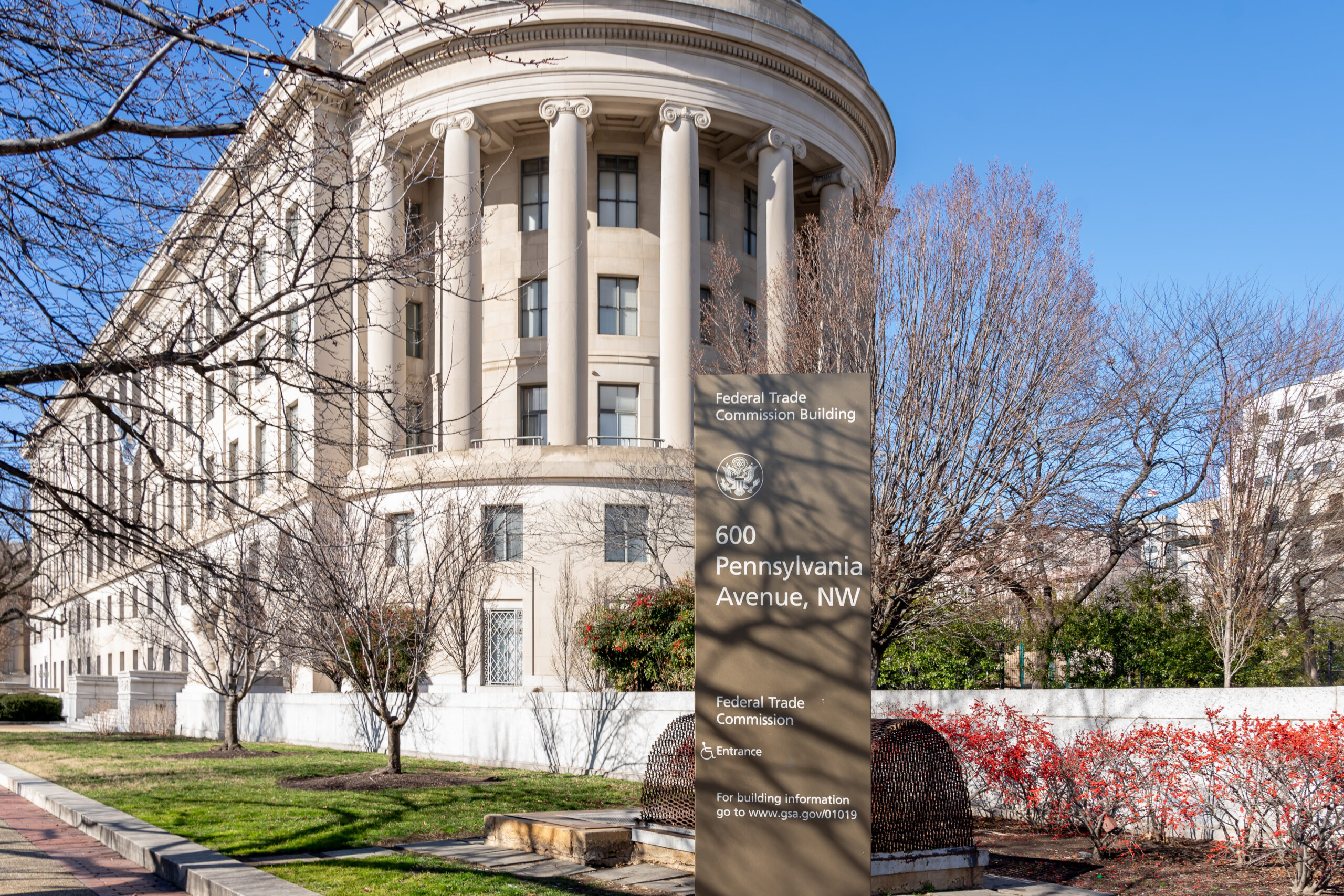
Record Set: Assessing Points of Emphasis from Public Input on the FTC’s Privacy Rulemaking
More than 1,200 law firms, advocacy organizations, trade associations, companies, researchers, and others responded to the Federal Trade Commission’s Advance Notice of Proposed Rulemaking (ANPR) on “Commercial Surveillance and Data Security.” Significantly, the ANPR initiates a process that may result in comprehensive regulation of data privacy and security in the United States, and also marks […]

FPF Provides Input on Draft Colorado Privacy Act Regulations
On September 30th, The Colorado Department of Law released draft regulations to implement the Colorado Privacy Act. The Future of Privacy Forum (FPF) filed written comments in response to the proposed rules on November 7th. Furthermore, FPF’s Keir Lamont and Felicity Slater participated in public stakeholder sessions hosted by the Colorado Attorney General’s Office as […]

Five Big Questions (and Zero Predictions) for the U.S. State Privacy Landscape in 2023
Entering 2023, the United States remains one of the only global economic powers that lacks a comprehensive, national framework governing the collection and use of consumer data throughout the economy. Congress made unprecedented progress toward enacting baseline privacy legislation in 2022. However, the apparent impasse in the efforts to move H.R. 8152, the American Data […]