
Across the United States, evolving data collection and processing practices and advances in artificial intelligence are driving new digital services, technologies, and socially beneficial research – while also raising new opportunities, risks, and questions for individuals and communities. In response, state and federal policymakers are considering new legislative and regulatory frameworks on three interconnected fronts: comprehensive consumer privacy laws that establish baseline rights and protections for personal data across the economy; frameworks that target specific sectors and practices such as automated decisionmaking, biometric identification, companion chatbots, data-driven pricing, data brokerage, frontier AI model safety, genetic data, and health data; and youth-specific privacy and online safety laws that set distinct rules for minors. These three tracks rarely stay in their lanes: a comprehensive privacy law may include AI provisions, an AI safety bill may carve out rules for minors, a youth online safety law may hinge on biometric age verification. Understanding the landscape requires understanding both the individual pieces and how they fit together.
FPF’s U.S. Legislation team provides expert, independent, pragmatic analysis of state and federal legislative and regulatory approaches to privacy, AI, and youth online safety – three distinct but increasingly intertwined issue areas. The team tracks emerging proposals, compares new laws against existing frameworks, analyzes implementation and compliance implications, and helps policymakers and stakeholders understand how legal requirements interact with current technologies, business practices, and data uses.
Through reports, blog posts, legislative and policy analyses, webinars, in-person and virtual peer-to-peer gatherings, and educational programs, FPF helps the broader technology policy and governance community understand the mechanisms and strategies available to protect privacy, promote responsible AI development and deployment, and advance youth online safety. FPF does not typically support or oppose particular bills. Instead, the U.S. Legislation team focuses on explaining the practical and legal implications of proposals – individually and as they interact with one another. This work helps ensure that privacy, AI, and youth safety compliance and policy strategies remain future-looking, adaptable, and workable for the continued, beneficial use of data and AI.
FPF’s U.S. Legislation team is led by Tatiana Rice, Senior Director.





ICYMI: National PTA, Future of Privacy Forum Host Student Privacy Briefing for Parents
Webinar reviews state action on student privacy and shares best practices for protecting student data

Award-Winning Paper: "Privacy's Constitutional Moment and the Limits of Data Protection"
For the tenth year, FPF’s annual Privacy Papers for Policymakers program is presenting to lawmakers and regulators award-winning research representing a diversity of perspectives. Among the papers to be honored at an event at the Hart Senate Office Building on February 6, 2020 is Privacy’s Constitutional Moment and the Limits of Data Protection by Woodrow […]
Examining Industry Approaches to CCPA “Do Not Sell” Compliance
By Christy Harris and Charlotte Kress Over the past year, the online advertising (“ad tech”) industry has grappled with the practical challenges of complying with the new California Consumer Privacy Act (CCPA). Once the new law — the first of its kind in the United States — goes into effect on January 1, 2020, businesses […]
Comparing Privacy Laws: GDPR v. CCPA
In November 2018, OneTrust DataGuidance and FPF partnered to publish a guide to the key differences between the General Data Protection Regulation (GDPR) and the California Consumer Privacy Act of 2018 (CCPA). Since then, a series of bills, signed by the California Governor on 11 October 2019, amended the CCPA to exempt from its application […]
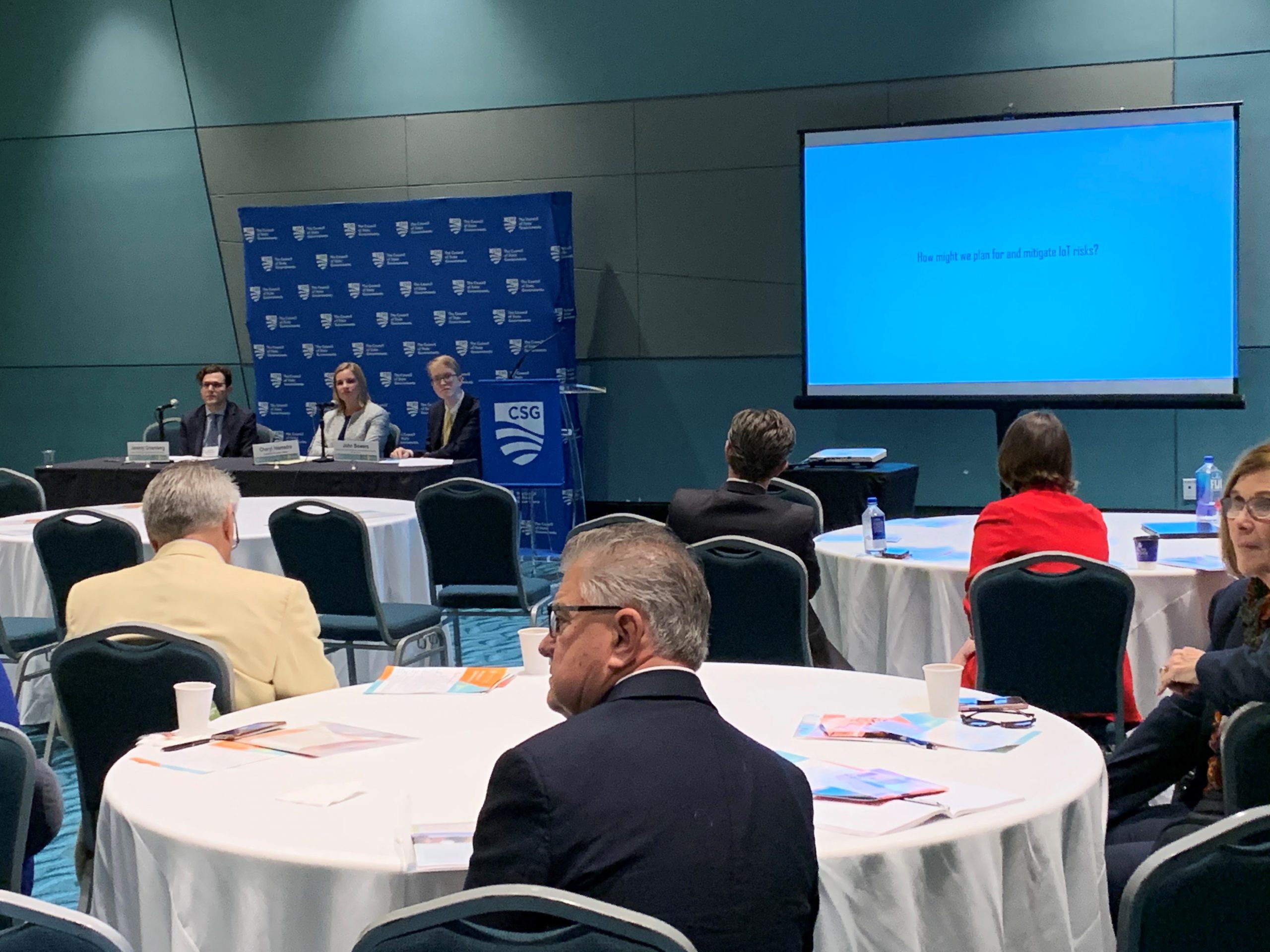
State Legislators Prioritizing Privacy
Last week, The Council of State Governments (CSG) held its annual conference in Puerto Rico, bringing together bi-partisan state lawmakers from across the country to engage in thoughtful discourse and learn about issues impacting their constituents. Policy Fellow Jeremy Greenberg shares key privacy themes that resonated through the event: State legislators feel the need to […]

Future of Privacy Forum Submits Comments to FTC on the Children’s Online Privacy Protection Act Rule
WASHINGTON, D.C. – Yesterday, the Future of Privacy Forum (FPF), one of the nation’s leading nonprofit organizations focused on privacy leadership and scholarship, submitted comments to the Federal Trade Commission (FTC) regarding the Children’s Online Privacy Protection Act (COPPA) in response to the agency’s ongoing review of the federal statute. “As COPPA enters its third […]

MythBusters: COPPA Edition
Following YouTube’s September settlement with the Federal Trade Commission (FTC) regarding the Children’s Online Privacy Protection Act (COPPA), YouTube released a video in late November explaining upcoming changes to their platform. The YouTube creator community responded in large numbers, with numerous explainer videos and almost two hundred thousand comments filed in response to the FTC’s […]
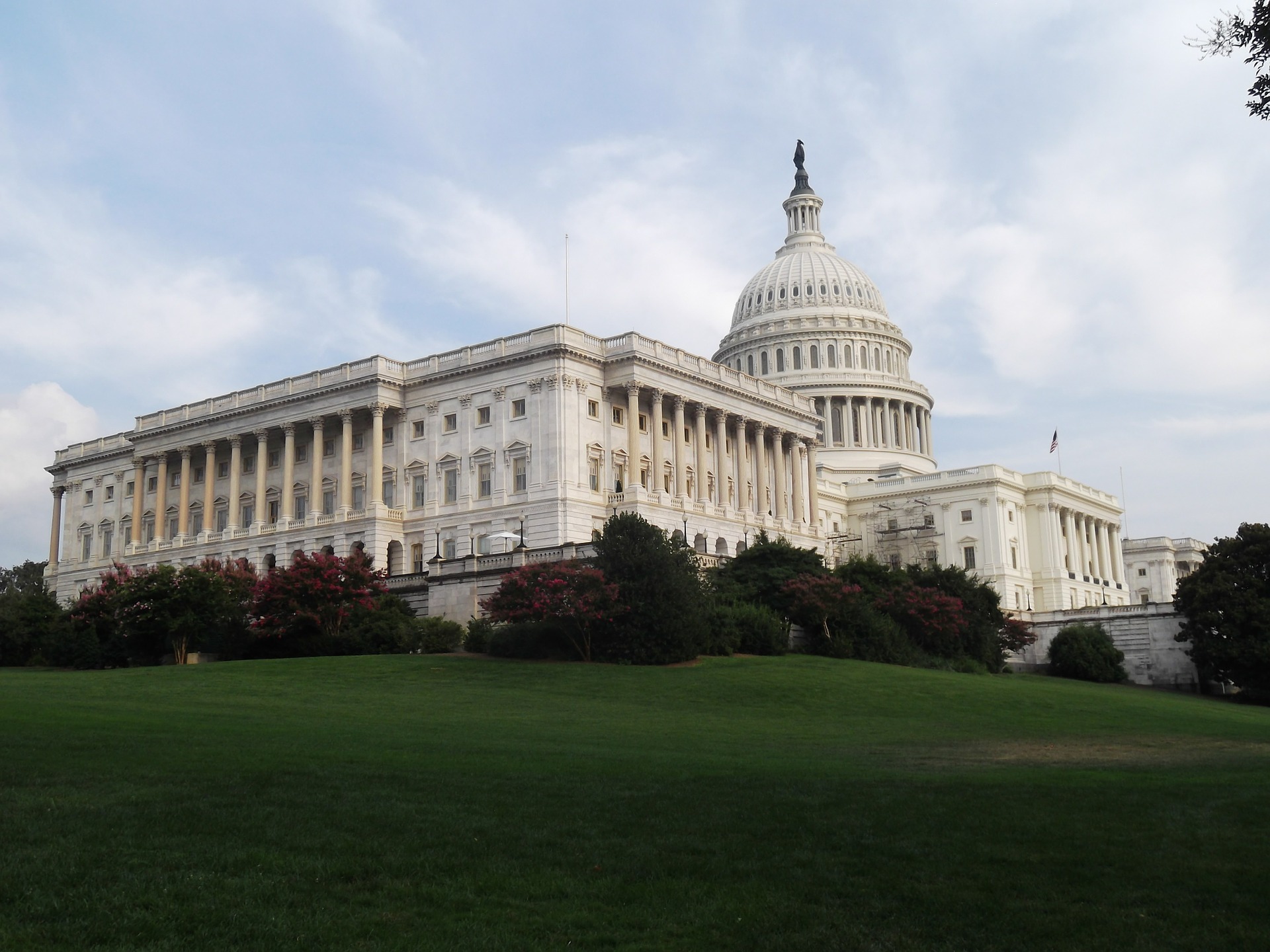
Privacy Papers 2019
The winners of the 2019 Privacy Papers for Policymakers (PPPM) Award are: Antidiscriminatory Privacy by Ignacio N. Cofone, McGill University Faculty of Law Abstract Law often regulates the flow of information to prevent discrimination. It does so, for example, in Law often blocks sensitive personal information to prevent discrimination. It does so, however, without a […]
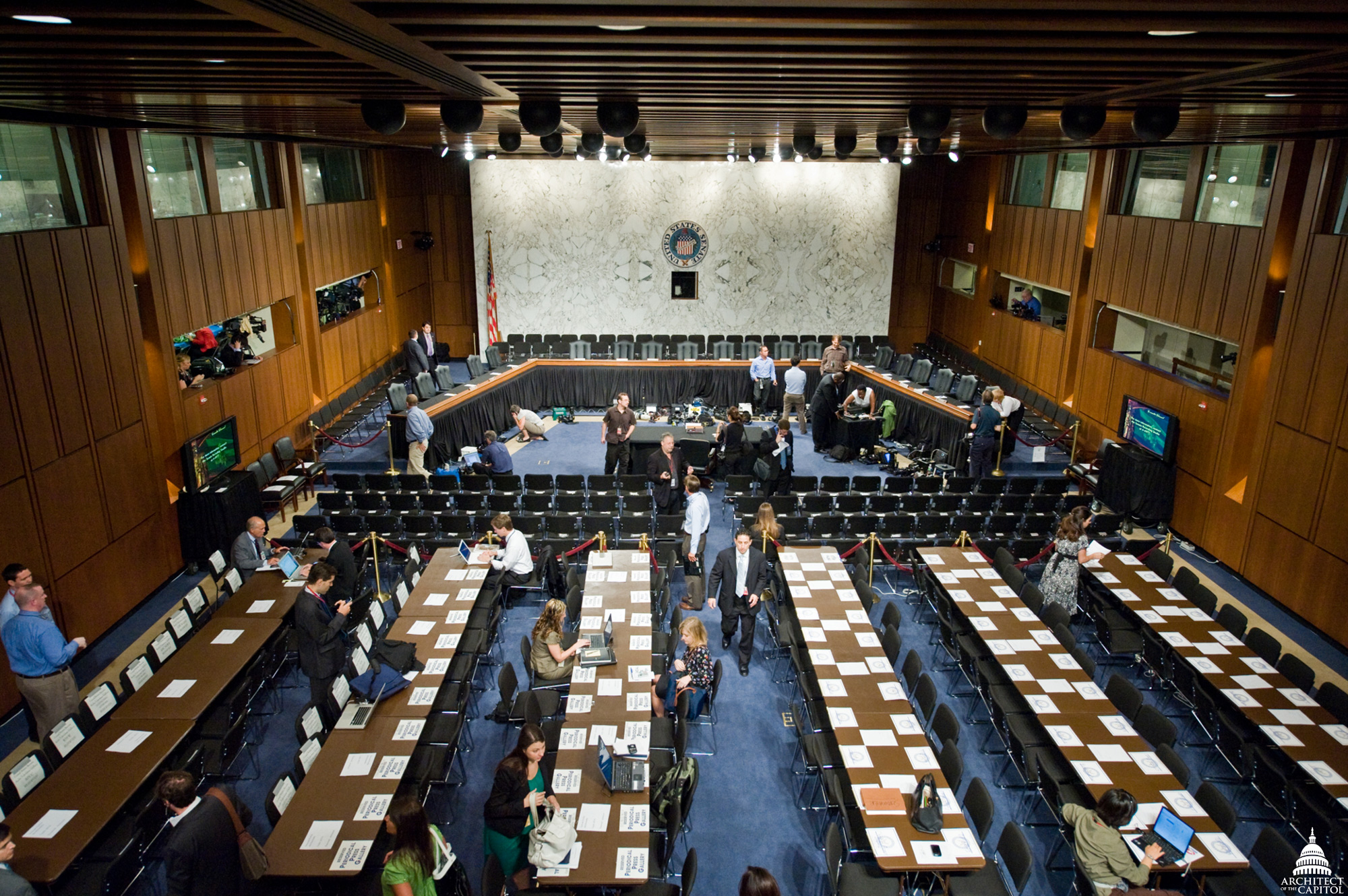
Closer than Apart: Comparing Senate Commerce Committee Bills
Together with Senator Cantwell (D-WA)’s bill, the Consumer Online Privacy Rights Act, Senator Wicker’s Discussion Draft represents a significant movement toward bipartisan negotiations in the Senate. But how do the two bills, one from leading Democrats, and one from the Republican Chairman, compare to each other? We find them to be closer together on most issues than they are apart: a promising sign for bipartisan negotiation.
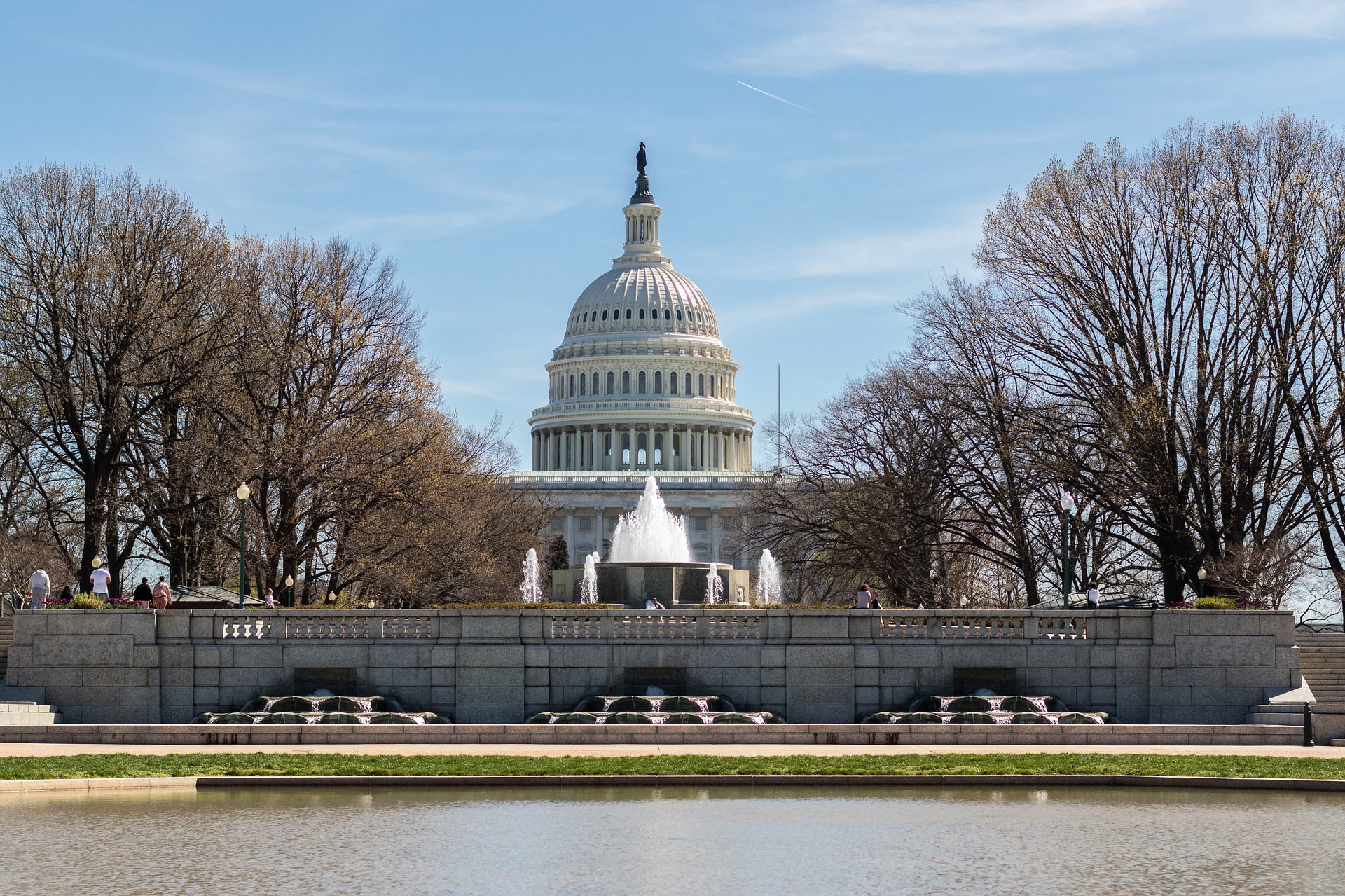
Starting Point for Negotiation: An Analysis of Senate Democratic Leadership’s Landmark Comprehensive Privacy Bill
Today, Senate Commerce Committee Ranking Member Maria Cantwell (D-WA), joined by top Democrats on the Senate Commerce Committee – Senators Markey, Schatz and Klobuchar – introduced a new comprehensive federal privacy bill, the Consumer Online Privacy Rights Act (COPRA). The bill is consistent with the Senate Democratic leadership positions announced last week and comes in advance of a December 4th Senate Commerce Committee hearing convened by Senator Wicker (R-Miss), Examining Legislative Proposals to Protect Consumer Data Privacy.