
Best Practices for AI and Workplace Assessment Technologies
The Future of Privacy Forum, along with ADP, Indeed, LinkedIn, and Workday — leading hiring and employment software developers — released Best Practices for AI and Workplace Assessment Technologies. The Best Practices guide makes key recommendations for organizations as they develop, deploy, or increasingly rely on artificial intelligence (AI) tools in their hiring and employment decisions. Organizations are incorporating […]
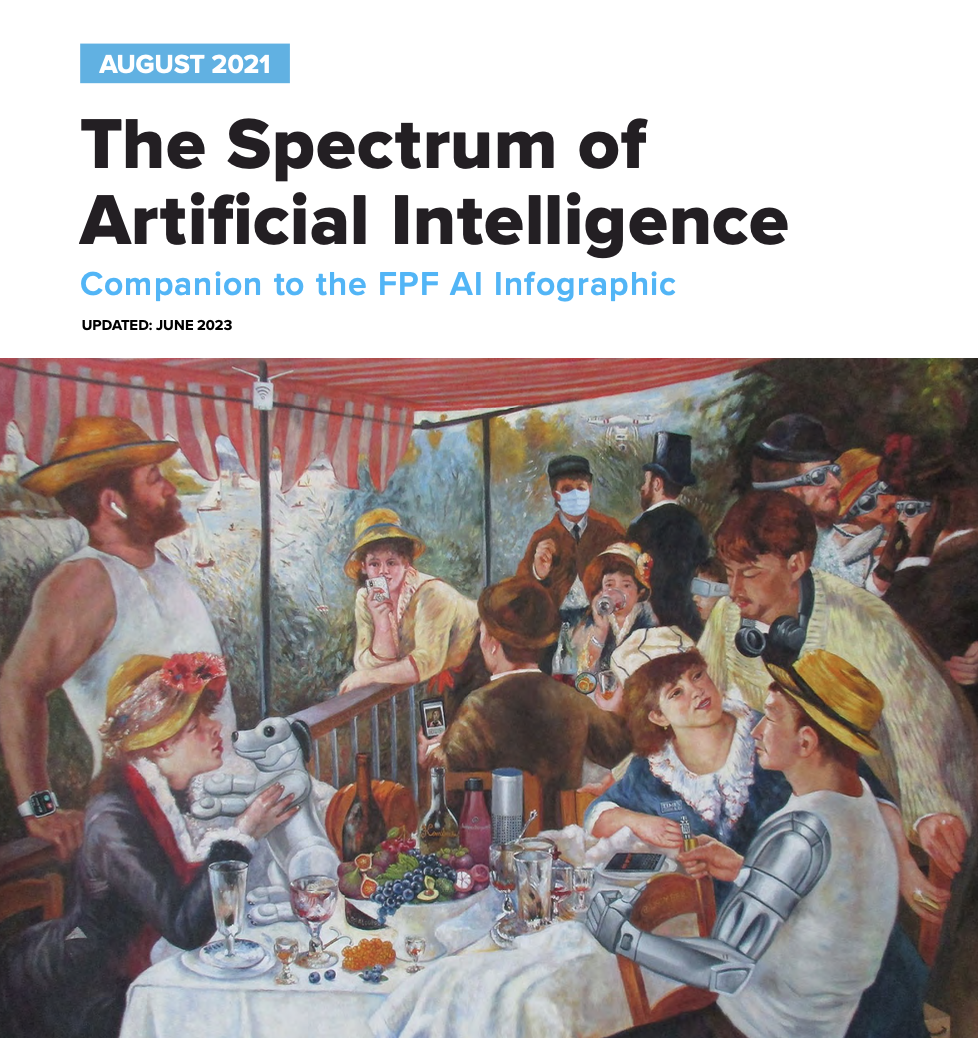
The Spectrum of Artificial Intelligence Report & Infographic
The Spectrum of Artificial Intelligence – Companion to the FPF AI Infographic has been updated in June 2023 to account for the development and use of advanced generative AI tools. In December 2020, FPF published the Spectrum of Artificial Intelligence – An Infographic Tool, designed to visually display the variety and complexity of Artificial Intelligence […]

Warning Signs: The Future of Privacy and Security in an Age of Machine Learning Report
FPF is working with Immuta and others to explain the steps machine learning creators can take to limit the risk that data could be compromised or a system manipulated.
Nothing to Hide: Tools for Talking (and Listening) About Data Privacy for Integrated Data Systems Report
Data-driven and evidence-based social policy innovation can help governments serve communities better, smarter, and faster. Integrated Data Systems (IDS) use data that government agencies routinely collect in the normal course of delivering public services to shape local policy and practice. They can use data to evaluate the effectiveness of new initiatives or bridge gaps between public services and community providers.

The Privacy Expert’s Guide to AI and Machine Learning Report
Today, FPF announces the release of The Privacy Expert’s Guide to AI and Machine Learning. This guide explains the technological basics of AI and ML systems at a level of understanding useful for non-programmers, and addresses certain privacy challenges associated with the implementation of new and existing ML-based products and services.

Communicating about Data Privacy and Security Report
The ADRF Network is an evolving grassroots effort among researchers and organizations who are seeking to collaborate around improving access to and promoting the ethical use of administrative data in social science research. As supporters of evidence-based policymaking and research, FPF has been an integral part of the Network since its launch and has chaired the network’s Data Privacy and Security Working Group since November 2017.

Beyond Explainability: A Practical Guide to Managing Risk in Machine Learning Models Report
Beyond Explainability aims to provide a template for effectively managing this risk in practice, with the goal of providing lawyers, compliance personnel, data scientists, and engineers a framework to safely create, deploy, and maintain ML, and to enable effective communication between these distinct organizational perspectives.

City of Seattle Open Data Risk Assessment Report
FPF requested feedback from the public on its proposed Draft Open Data Risk Assessment for the City of Seattle. In 2016, the City of Seattle declared in its Open Data Policy that the city’s data would be “open by preference,” except when doing so may affect individual privacy. To ensure its Open Data program effectively protects individuals, Seattle committed to performing an annual risk assessment and tasked FPF with creating and deploying an initial privacy risk assessment methodology for open data.
Unfairness By Algorithm: Distilling the Harms of Automated Decision-Making Report & Infographic
Analysis of personal data can be used to improve services, advance research, and combat discrimination. However, such analysis can also create valid concerns about differential treatment of individuals or harmful impacts on vulnerable communities. These concerns can be amplified when automated decision-making uses sensitive data (such as race, gender, or familial status), impacts protected classes, or affects individuals’ eligibility for housing, employment, or other core services. When seeking to identify harms, it is important to appreciate the context of interactions between individuals, companies, and governments—including the benefits provided by automated decision-making frameworks, and the fallibility of human decision-making.
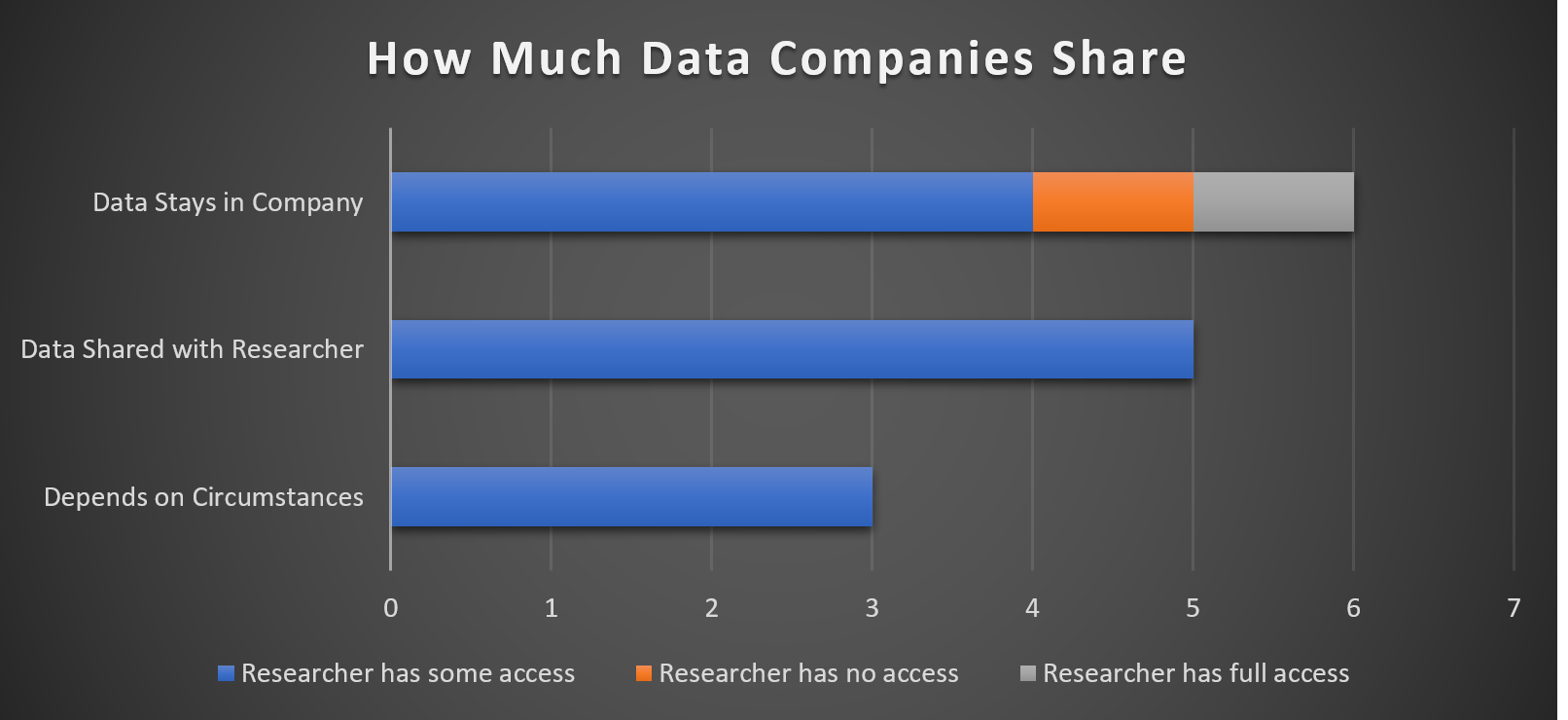
Understanding Corporate Data Sharing Decisions: Practices, Challenges, and Opportunities for Sharing Corporate Data with Researchers Report
Today, the Future of Privacy Forum released a new study, Understanding Corporate Data Sharing Decisions: Practices, Challenges, and Opportunities for Sharing Corporate Data with Researchers. In this report, we aim to contribute to the literature by seeking the “ground truth” from the corporate sector about the challenges they encounter when they consider making data available for academic research. We hope that the impressions and insights gained from this first look at the issue will help formulate further research questions, inform the dialogue between key stakeholders, and identify constructive next steps and areas for further action and investment.