
Showing results for v2024 20sheet 202024 scode korea ssouth 202024 v2024 20sheet ssouth 202024 202024 202024

Thermal Imaging as Pandemic Exit Strategy: Limitations, Use Cases and Privacy Implications
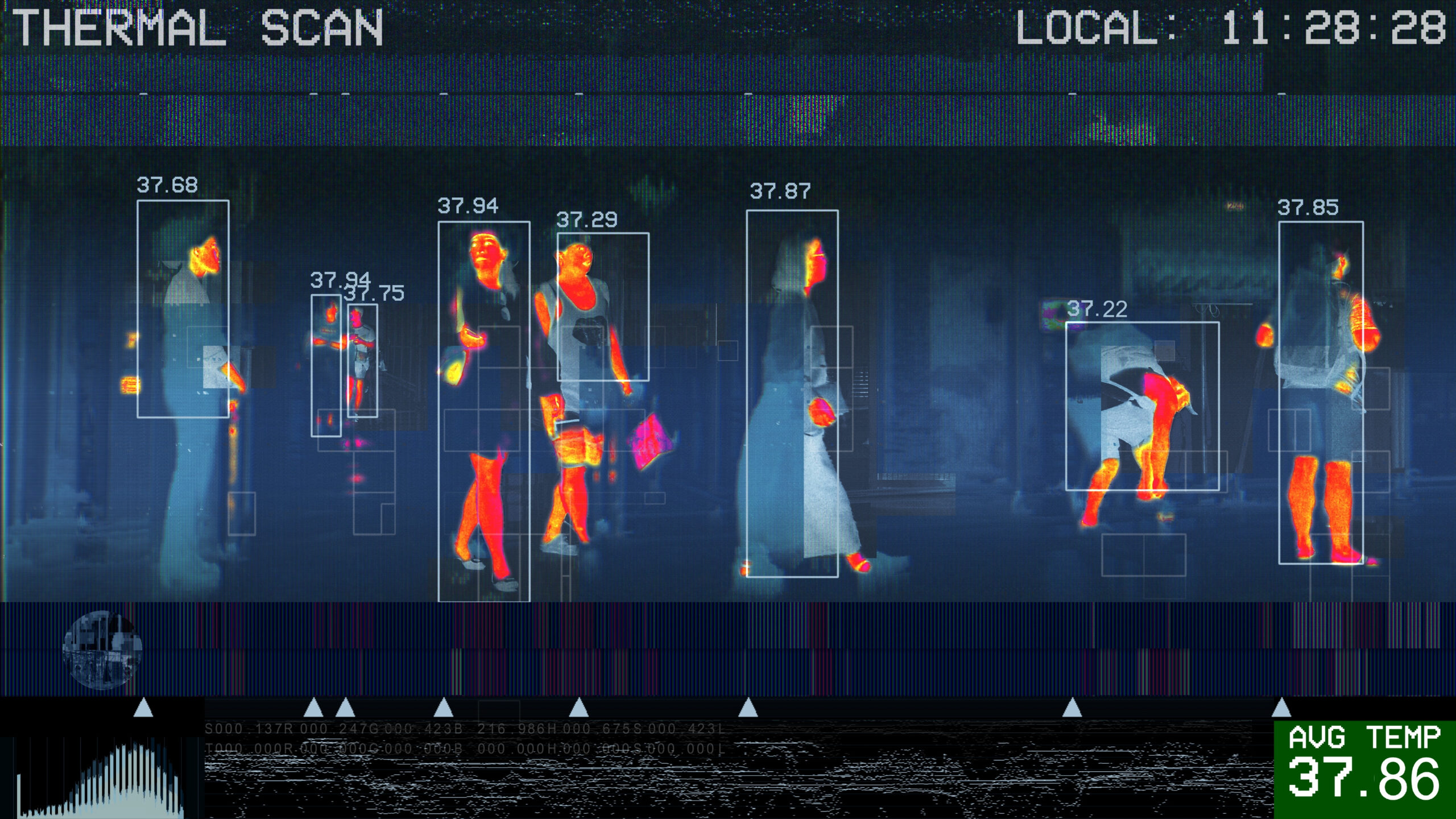
[…] to privacy and other civil rights. Current Use Cases Airports. Airports across the world are using thermal cameras to screen travelers. Some countries, including China, Japan, South Korea, Singapore, Canada, and India, began using them in 2002-2003 (in response to SARS) or 2009 (in response to swine flu) and continue to use them in […]

FPF CEO: Will I Install an Exposure Notification App? Thoughts on the Apple-Google API
[…] controlled study. The CDC would be working with the WHO to advise based on the results of studies of the app efforts in Singapore, Israel, Hong Kong, South Korea and elsewhere. We might learn if they are helpful and what data they need. Do health department apps need precise location, despite the risks of revealing the private […]

Privacy & Pandemics Virtual Workshop: The Role of Mobile Apps
[…] Buchmann Faculty of Law, Tel Aviv University Hyunik Kim, Deputy Director, Planning & Management Division, and Head, International Cooperation for Personal Information Protection Commission (PIPC), Republic of Korea Riddhiman Das, Co-Founder & CEO, TripleBlind (U.S.) Steve Penrod, Vice President of Product Development, TripleBlind (U.S.) Bart Preneel, leads COSIC (Computer Security and Industrial Cryptography group) […]
A Closer Look at Location Data: Privacy and Pandemics
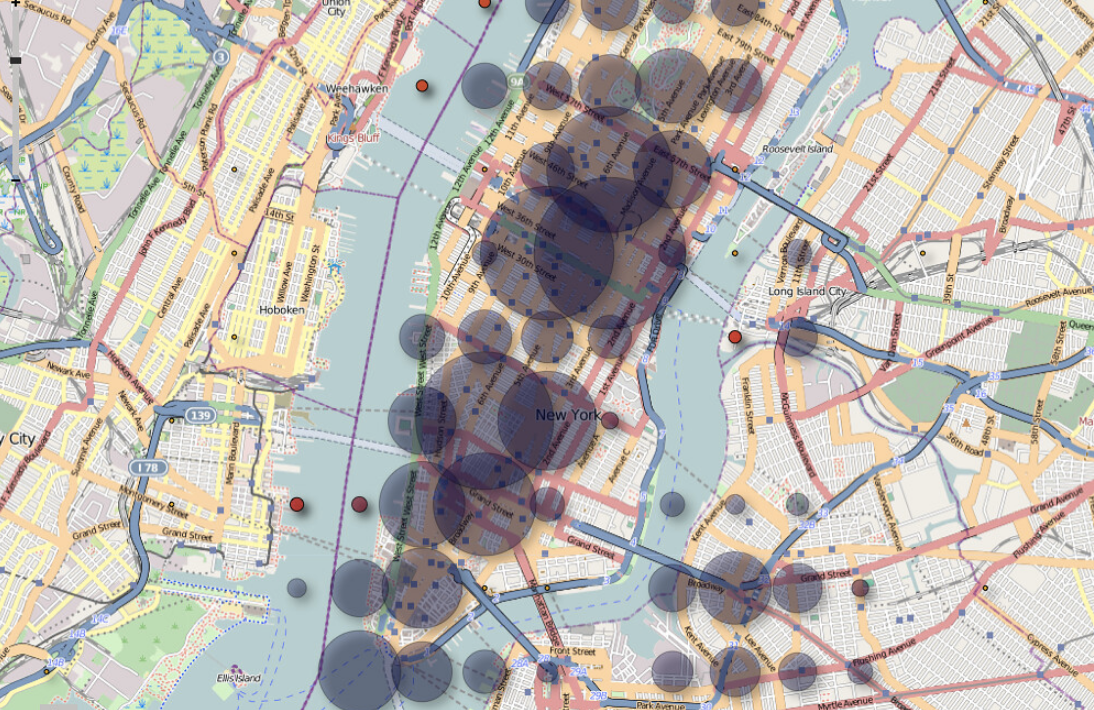
[…] emergency regulations to address the crisis using cell phone location data; the European Commission requested that mobile carriers provide anonymized and aggregate mobile location data; and South Korea has created a publicly available map of location data from individuals who have tested positive. Public health agencies and epidemiologists have long been interested in analyzing […]

Close to the Finish Line: Observations on the Washington Privacy Act
[…] — would begin to give Washingtonians comparable rights to those enjoyed in the EU, and non-EU countries following the same comprehensive privacy protection model, such as South Korea, Japan, or Brazil. Enforcement of a comprehensive law, even if only by the Attorney General, could immediately change (and halt) current business models that pose serious […]
ICYMI: FPF Webinar Examines Policies to Protect Child Privacy Online
[…] exposure to marketing and protecting data from being used in inappropriate ways by companies.” In addition to child privacy proposals from the European Union, United Kingdom, South Korea, and California, FPF experts highlighted the federal child privacy law in the U.S., the Children’s Online Privacy Protection Act (COPPA), and several of its key limitations. […]
OtonomoPrivacyPaper
[…] ider is collecting car data to gain accurate, real-time mileage data or a more comprehensiv e picture of a policyholder’s driving behaviors, that insurance provider is probably in a better position to explain the value of its service and associated data flows than an OEM . In this scenario, transparency about the collection of data would start in a service provid- er’s app or website. The service provider would show the data paramet ers used in its service and capture the consumer’s consent, which would then be trans mitted to the OEM. OEMs might also provide an interface in their mobile apps for services t hat they ofer directly to their drivers or via partnerships with third parties. GDPR and the legal basis for collecting personal data The European Union General Data Protection Regulation (GDPR) is a comp rehensive regulation that governs personal data of EU persons and is expected to b e supple- mented by the ePrivacy Regulation in the future. The ePrivacy Regulation will enact requirements for a range of technologies including those used in vehicle s. Japan, Brazil, South Korea, and other major jurisdictions have followed Europe in adding or updating data protection legislation. In the United States, California h as led the way, and dozens of other states are following suit. U.S. federal legislation seems unlikely in 2019, but is likely to be enacted in upcoming years. GDPR has set a precedent for data protection worldwide. It establishes s ix lawful grounds for collecting and processing various types of data: Consent: The individual has given clear, afrmative consent for you to process their personal data for a specific purpose. Example: A driver chooses to share location and battery level in order to receive recommendations for nearb y EV charging stations. Consent must be easy to revoke. Contract: The processing is necessary for a contract you have with the individual , or because they asked you to take specific steps involving their data before enter- ing into a contract. Example: An insurance provider needs odometer readi ngs to administer a pay-as-you-drive insurance policy. Legal obligation: The processing is necessary to comply with the law. Example: Many jurisdictions mandate the use of event data recorders that retain k […]
Legislative Toolkit #4_ Child Privacy
[…] Potential Risks & Harms Addressed in Law COPPA (U.S.) CIPA (U.S.) CA Eraser Button Law (U.S.) CCPA (U.S.) GDPR (E.U.) Age-Appropriate Design Code (U.K.) Cinderella Law (S. Korea) Commercialization X X X X Age-inappropriate content X X X Physical safety X X Loss of opportunity X X X Social detriment X X X X […]
Peter Swire le monde annotated bibliography
[…] hijacked domestic US and cross US traffic and redirected it to China over days, weeks, and months as demonstrated in the examples below : – Canada to Korea in 2016: For approximately 6 months, China Telecom hijacked routes from Canada to Korean government sites. – U.S. to Italy in 2016: During the month of […]