
Showing results for v2024 oncept promised cambodia
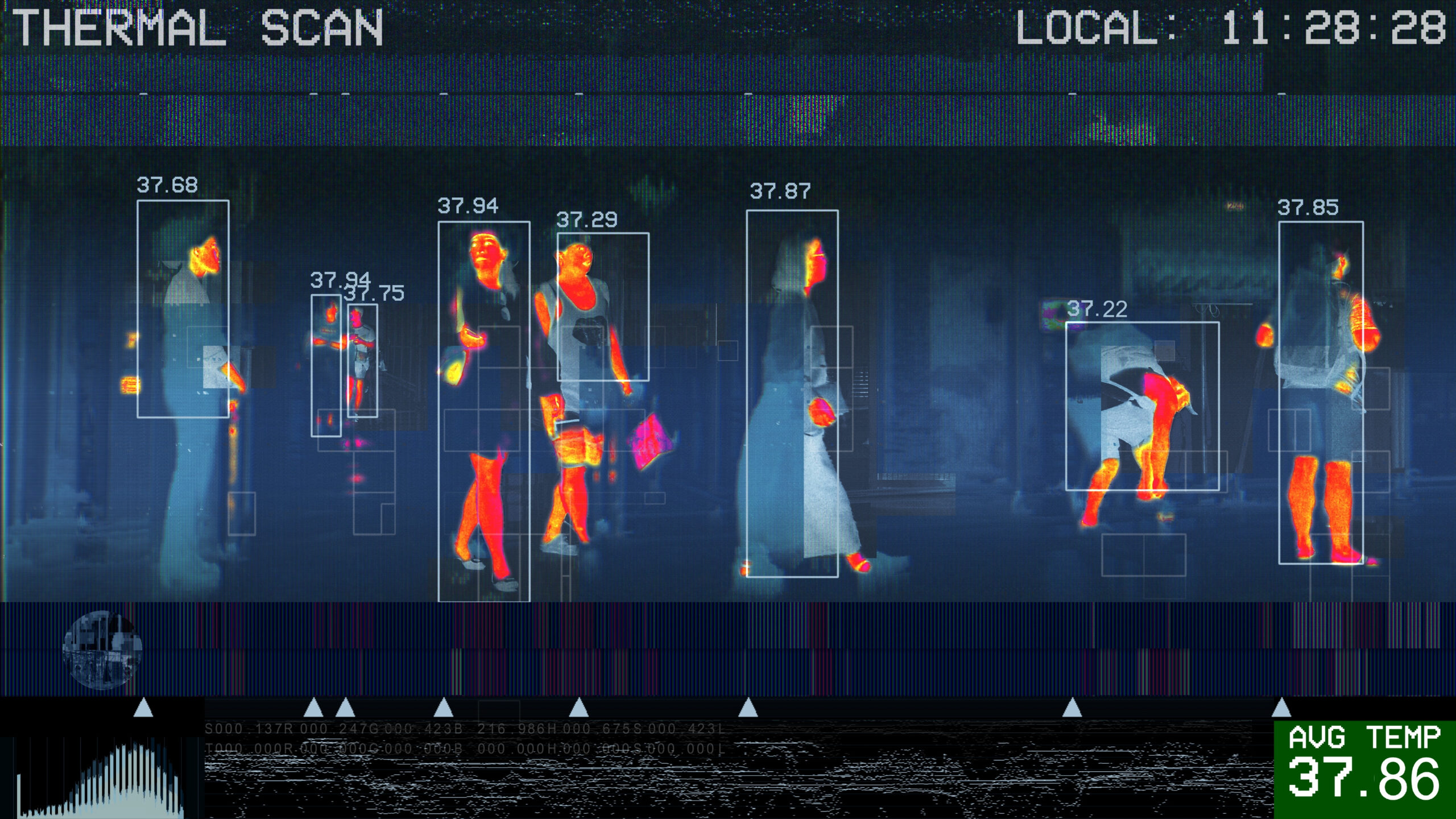
Thermal Imaging as Pandemic Exit Strategy: Limitations, Use Cases and Privacy Implications
[…] claim to have sold thousands of units to US customers since the COVID-19 outbreak began. Thermal cameras are appealing as an exit strategy solution due to some promised advantages over handheld thermometers. They claim to detect the temperatures of many people at once, whereas handheld thermometers can only test one person at a time. […]
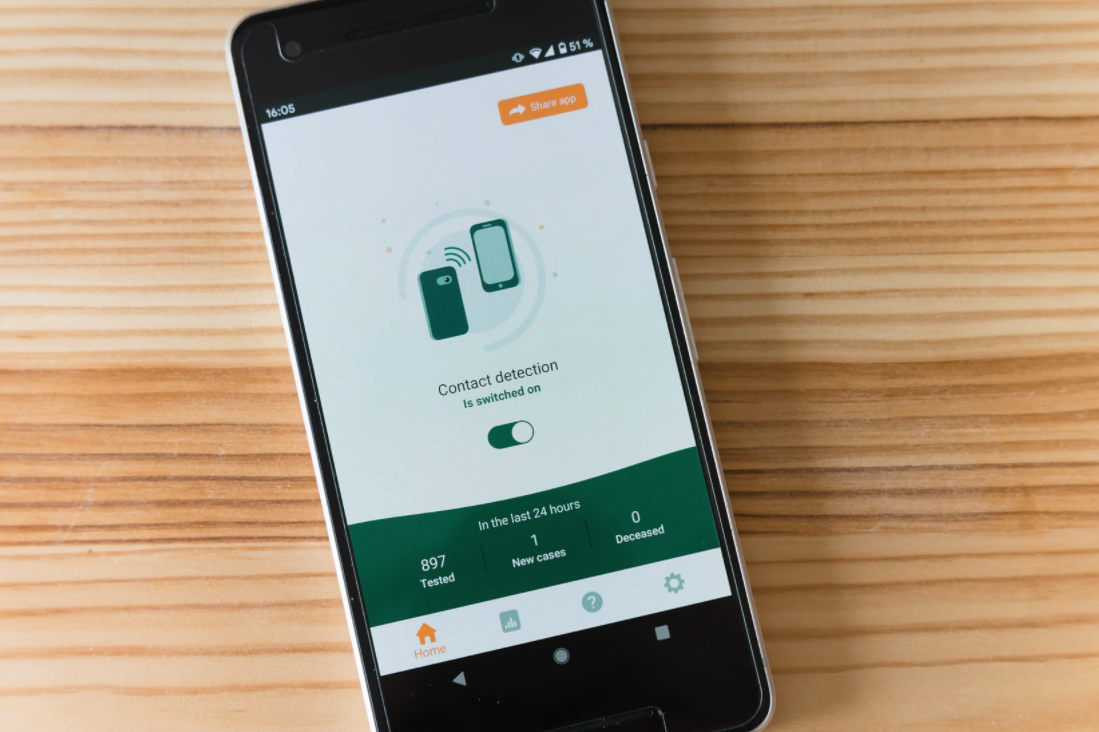
Bipartisan Privacy Bill Would Govern Exposure Notification Services
Authors: Stacey Gray, Senior Counsel; Katelyn Ringrose, Christopher Wolf Diversity Law Fellow; and Polly Sanderson, Policy Counsel Yesterday, Senators Cantwell (D-WA), Cassidy (R-LA), and Klobuchar (D-MN) introduced a new COVID-19 data protection bill, the Exposure Notification Privacy Act, which would create legal limits for “automated exposure notification services.” The bill comes on the heels of […]

Artificial Intelligence and the COVID-19 Pandemic
By Brenda Leong and Dr. Sara Jordan Machine learning-based technologies are playing a substantial role in the response to the COVID-19 pandemic. Experts are using machine learning to study the virus, test potential treatments, diagnose individuals, analyze the public health impacts, and more. Below, we describe some of the leading efforts and identify data protection […]

FPF and Privacy Analytics Identify “A Practical Path Toward Genetic Privacy”
Paper highlights de-identification standards, re-identification research, and emerging technical, contractual, and policy protections that can safeguard genetic data while supporting research. Genomic data is arguably the most personal of all personally identifiable information (“PII”). Techniques to de-identify genomic data to limit privacy and security risks to individuals–while that data is used for research and statistical […]

FinTech AI _FPF written statement_Feb2020
1 Written Statement of Brenda Leong U.S. House of Representatives Committee on Financial Services, Task Force on AI Rayburn House Office Building Washington, D.C. 20515 February 12, 2020 Thank you for the opportunity to provide a written statement for the record of the hearing on Equitable Algorithms: Examining Ways to Reduce AI Bias in Financial […]
PPPM 2020 Digest
PRIVACY PAPERS FOR POLICYMAKERS 2019 This material is based upon work supported by the National Science Foundation under Grant No. 1837413. Privacy Papers for Policymakers 2019 1 Februar y 6, 2020 We are pleased to introduce FPF’s tenth annual Privacy Papers for Policymakers. Each year, we invite privacy scholars and authors to submit scholarship for […]
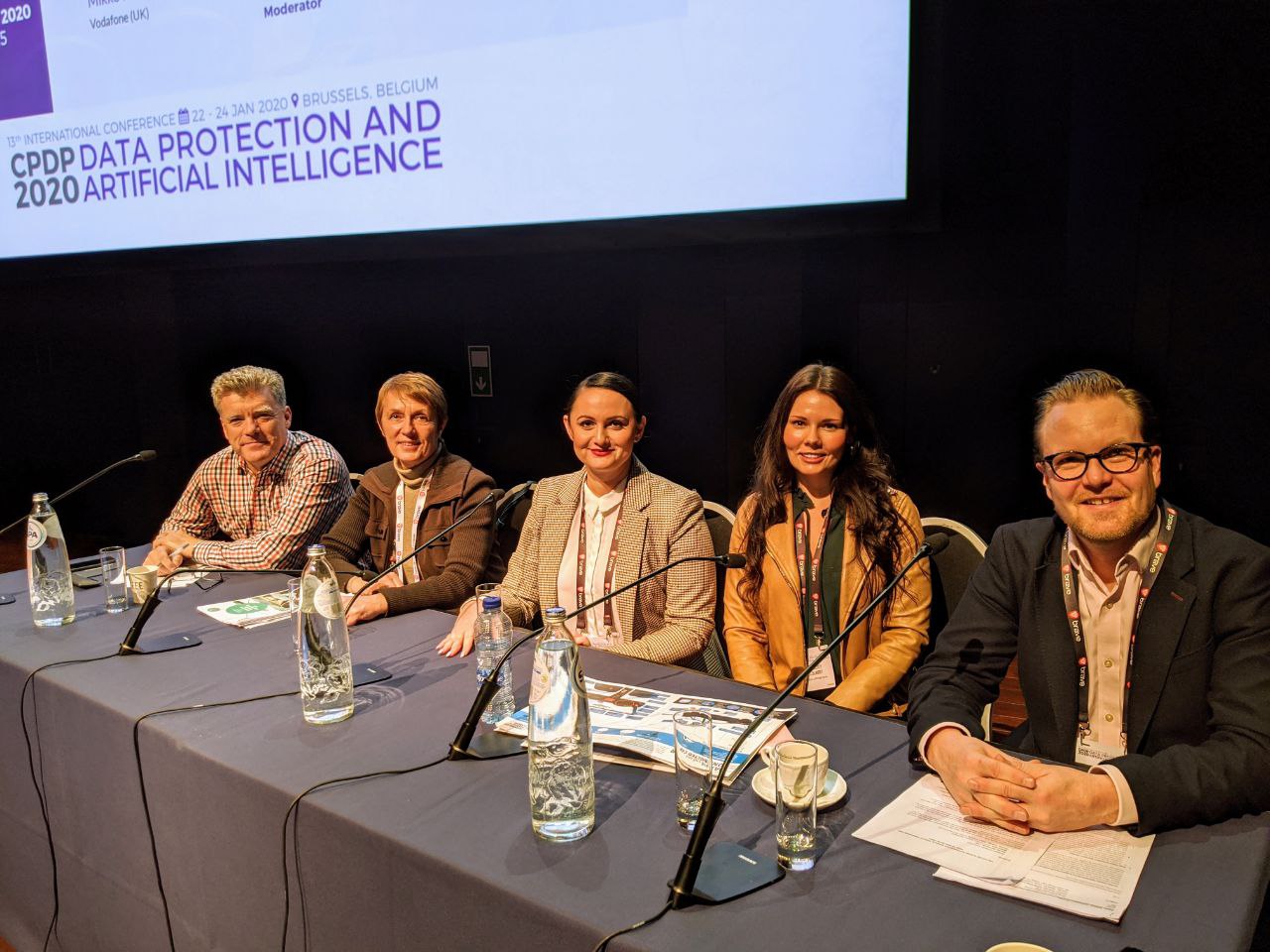
CPDP2020 Panel: The Future Is Now: Autonomous Vehicles, Trolley Problem(s) and How to Deal with Them
Last week, FPF brought together a panel of technology, legal, regulatory, and business voices to discuss “The Future is Now: Autonomous Vehicles, Trolley Problem(s) and How to Deal with Them” at the 13th annual Computers, Privacy, and Data Protection conference. The premise of the panel was that autonomous and highly automated vehicles are likely the […]
OtonomoPrivacyPaper
A Privacy Playbook for Connected Car Data WHITE PAPER WITH FOREWORD BY Connected cars: Ushering in a new era of transportation Today’s connected cars are becoming computers on wheels, generating d ata ranging from ambient air temperature and battery level to hard-braking events and roa d sign images, and a growing suite of services are further enhancing safety and conveni ence on the road. Experts predict that the transportation sector will change more in the n ext five years than in the previous 50 years, and we are just beginning to realize the profound impact that con- nected car data could have on drivers and society. Hundreds of use cases are now emerging around connected car data: Aggregate data is being used for trafc flow optimization, mapping and planning, r oad hazard identification, congestion management, predictive maintenance, location intelli- gence, and media measurement. Data from individual cars is being shared by drivers for services delivering roadside assistance, electric vehicle charging services, subscription-based fueli ng, usage-based insurance, remote diagnostics, trunk delivery by retailers, and parking payments. In the future, we will see: Vehicle-to-vehicle (V2V) communication, through which vehicles could signal their intent to each other, such as notifying several cars behind them of an unexpect ed hard-braking incident or electronically signaling a left turn. Vehicle-to-infrastructure (V2I) use cases, such as a vehicle reserving a parking space and parking itself or triggering a trafc light. These applications, as well as other applications, services, and crowdso urced insights, will make driving safer, more convenient, and more rewarding. In addition to providing benefits to individual drivers, they promise significant societal benefits, such as reducing congestion and […]
The Future Is Now: FPF at CPDP2020
Computers, Privacy and Data Protection (CPDP) Conference 2020 commences next week in Brussels, bringing together academics, data protection authorities, policymakers, data scientists, and civil society to network, exchange ideas, and talk over the latest trends. Check out the panels and events FPF will be participating in below. Algorithmic Regulation of Transportation Wednesday, January 22 at […]
WhitePaper_DataProtectionByProcess
Data Protection by Process How to Operationalize Data Protection by Design for Machine Learning VERSION 1.0 DECEMBER 2019 Sophie Stalla-Bourdillon Senior Privacy Counsel & Legal Engineer, Immuta Alfred Rossi Research Scientist, Immuta Gabriela Zanfir-Fortuna Senior Counsel, Future of Privacy Forum REPORT BY: Content Introduction 3 What is Data Protection by Design? 4 The DPbD Workflow […]