

Juneteenth
FPF is closed for Juneteenth as our staff reflects on both the history and current state of racism in America. Our social media accounts will be silent, other than to elevate voices that can help us learn and take action on issues such as equity and inclusion. In that spirit, we would like to call […]
Associated Press: Schools debate whether to detail positive tests for athletes
In a recent article published by the Associated Press in The Washington Post and The New York Times, the Future of Privacy Forum warns of the privacy risks of sharing information about positive COVID-19 tests among students, particularly student athletes who have already returned to campus to prepare for the upcoming sports season. Read an excerpt […]
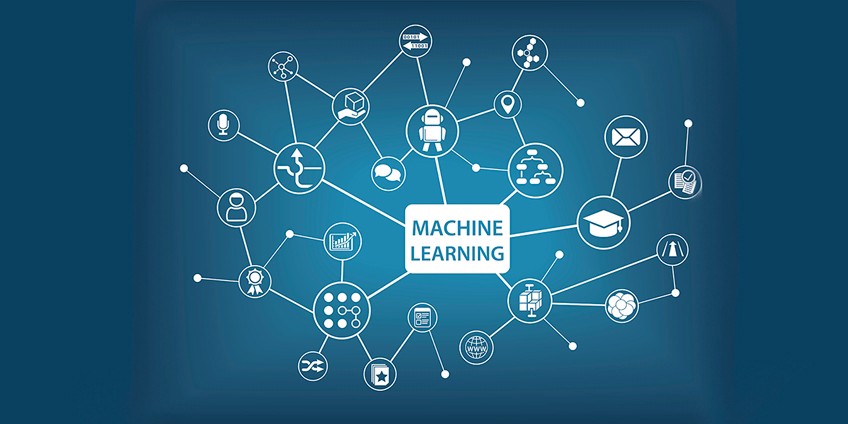
TEN QUESTIONS ON AI RISK
Artificial intelligence and machine learning (AI/ML) generate significant value when used responsibly – and are the subject of growing investment for exactly these reasons. But AI/ML can also amplify organizations’ exposure to potential vulnerabilities, ranging from fairness and security issues to regulatory fines and reputational harm.
Polonetsky: Are the Online Programs Your Child’s School Uses Protecting Student Privacy? Some Things to Look For
Op-ed by Future of Privacy Forum CEO Jules Polonetsky published in The74. As CEO of a global data protection nonprofit, I spend my workdays focused on helping policymakers and companies navigate new technologies and digital security concerns that have emerged in the wake of the COVID-19 pandemic. Meanwhile, my children have adopted many of these […]

A Landmark Ruling in Brazil: Paving the Way for Considering Data Protection as an Autonomous Fundamental Right
Authors: Bruno Ricardo Bioni and Renato Leite Monteiro A historic ruling of the Brazilian Supreme Court from May 07, 2020 describes the right to data protection as an autonomous right stemming from the Brazilian Constitution. By a significant majority, 10 votes to 1, the Court halted the effectiveness of the Presidential Executive Order (MP[1] 954/2020) […]
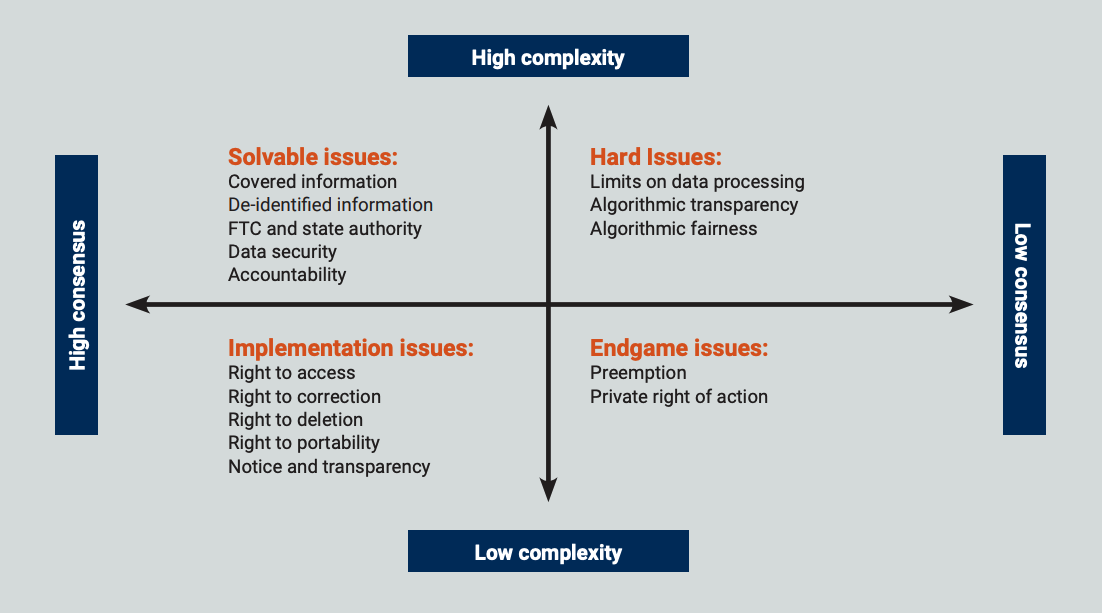
Endgame Issues: New Brookings Report on Paths to Federal Privacy Legislation
Authors: Stacey Gray, Senior Counsel (US Legislation and Policymaker Education), Polly Sanderson, Policy Counsel This afternoon, The Brookings Institution released a new report, Bridging the gaps: A path forward to federal privacy legislation, a comprehensive analysis of the most challenging obstacles to Congress passing a comprehensive federal privacy law. The report includes a detailed range […]
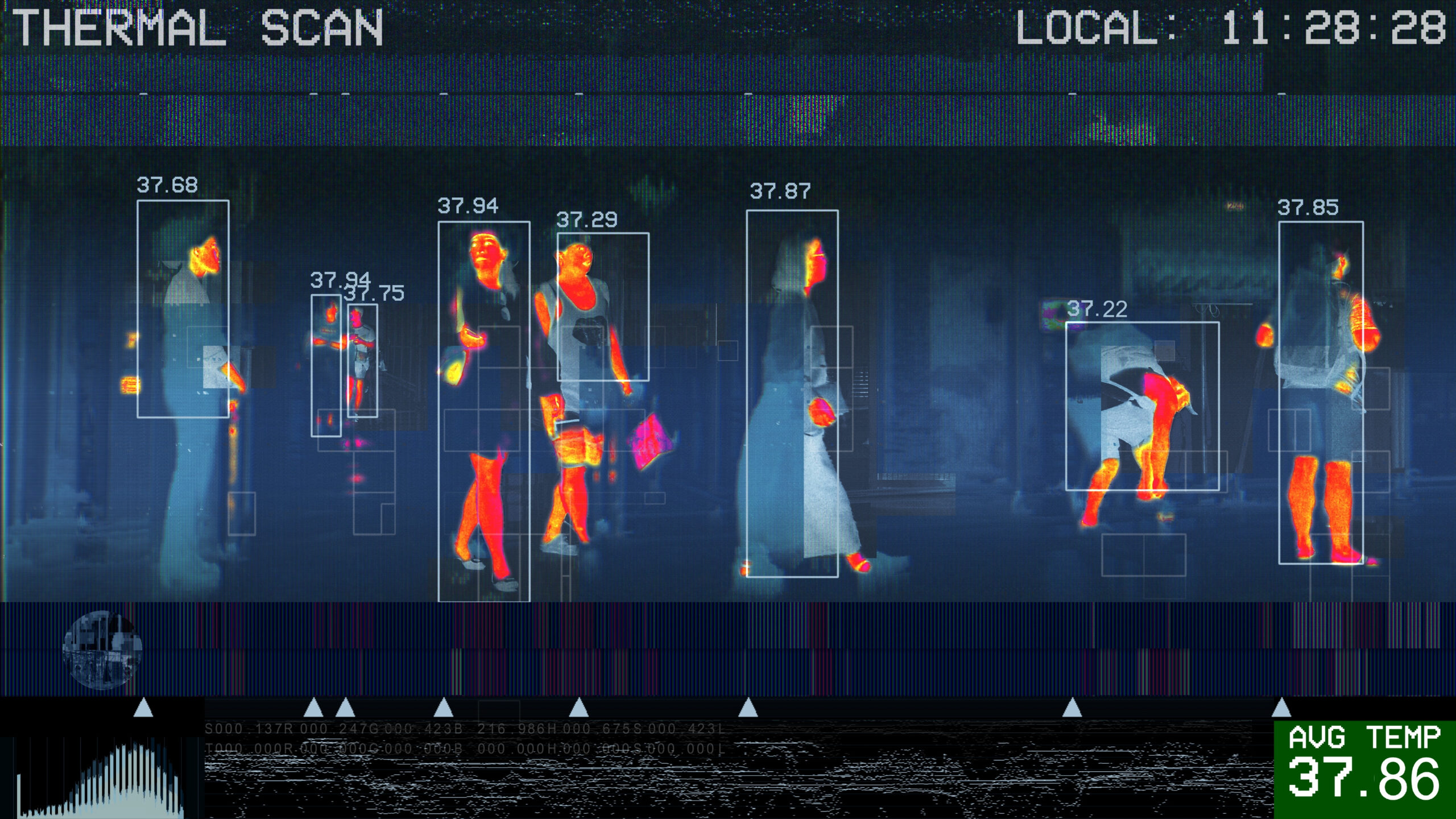
Thermal Imaging as Pandemic Exit Strategy: Limitations, Use Cases and Privacy Implications
Authors: Hannah Schaller, Gabriela Zanfir-Fortuna, and Rachele Hendricks-Sturrup Around the world, governments, companies, and other entities are either using or planning to rely on thermal imaging as an integral part of their strategy to reopen economies. The announced purpose of using this technology is to detect potential cases of COVID-19 and filter out individuals in […]
Bipartisan Privacy Bill Would Govern Exposure Notification Services
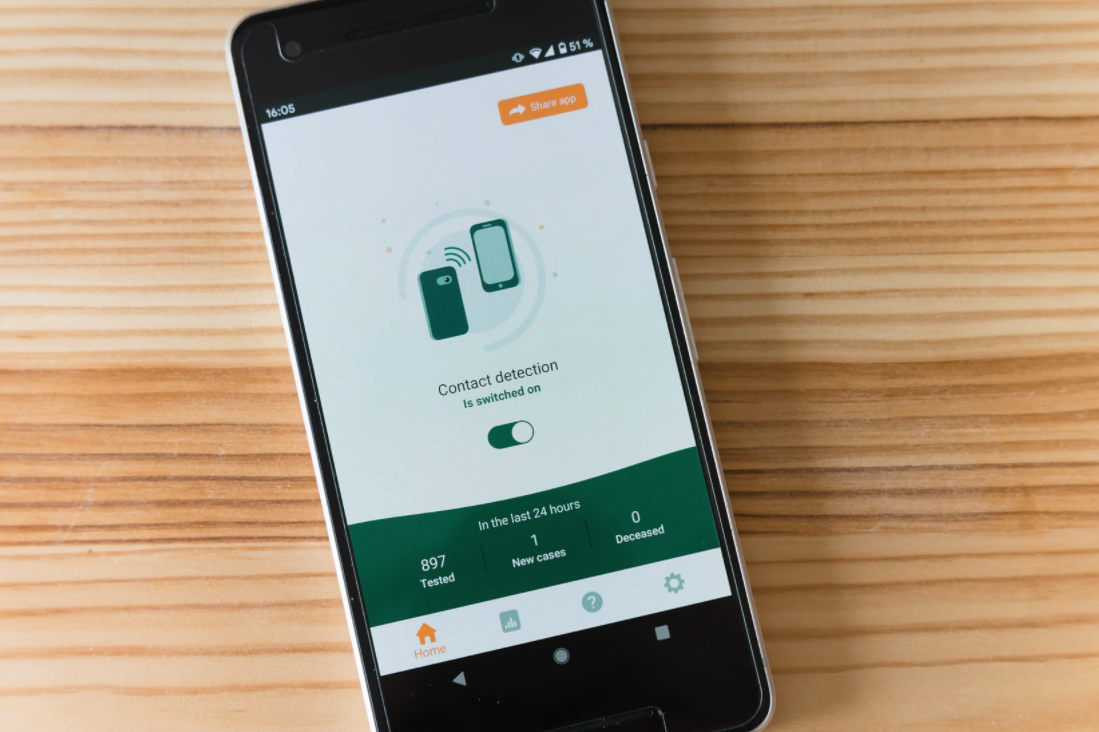
Authors: Stacey Gray, Senior Counsel; Katelyn Ringrose, Christopher Wolf Diversity Law Fellow; and Polly Sanderson, Policy Counsel Yesterday, Senators Cantwell (D-WA), Cassidy (R-LA), and Klobuchar (D-MN) introduced a new COVID-19 data protection bill, the Exposure Notification Privacy Act, which would create legal limits for “automated exposure notification services.” The bill comes on the heels of […]
FPF Releases New Report on GDPR Guidance for US Higher Education Institutions
Today, FPF released The General Data Protection Regulation: Analysis and Guidance for US Higher Education Institutions by Senior Counsel Dr. Gabriela Zanfir-Fortuna. The new report contains analysis and guidance to assist United States-based higher education institutions and their edtech service providers in assessing their compliance with the European Union’s General Data Protection Regulation (GDPR).
Tech Talk with the Regulators – Understanding Anonymization Under the GDPR
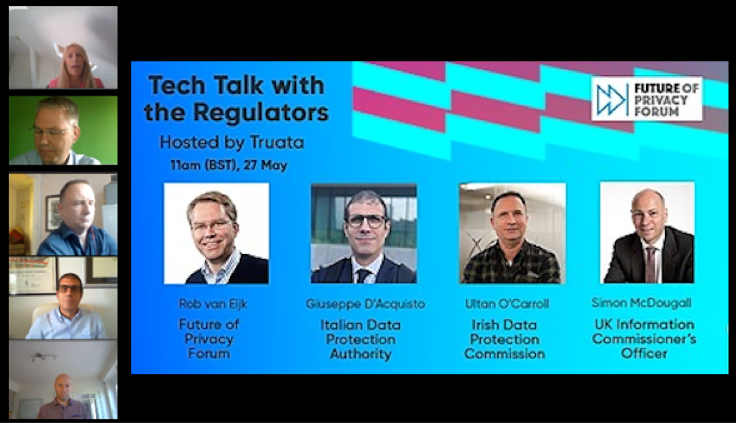
The General Data Protection Regulation (GDPR) has already been in existence for four years, and has been in force for two years. How can anonymization techniques under the GDPR help Data Protection Officers (DPOs) assess innovation? I hosted a webinar with Truata that featured experts from DPAs in Italy, Ireland, and the UK to find […]