

U.S. Legislative Trends in AI-Generated Content: 2024 and Beyond
Standing in front of the U.S. flag and dressed as Uncle Sam, Taylor Swift proudly proclaims that you should vote for Joe Biden for President. She then wants you to vote for Donald Trump in a nearly identical image circulated by former President Trump himself. Both the images, and the purported sentiments, are fabricated, the […]

FPF Submits Comments to the D.C. Council Committee on Health on the Consumer Health Information Privacy Protection Act of 2024 & the Role of Consent
As the D.C. Council considers the important issue of safeguarding health data, FPF writes with feedback on the role of consent in the Consumer Health Information Privacy Protection Act of 2024 (“CHIPPA”). We commend the D.C. Council’s efforts to advance individual health data privacy rights and protections. CHIPPA is closely modeled on Washington State’s My […]

Processing of Personal Data for AI Training in Brazil: Takeaways from ANPD’s Preliminary Decisions in the Meta Case
Data Protection Authorities (DPAs) across the globe are currently wrestling with fundamental questions raised by the emergence of generative AI and its compatibility with data protection laws. A key issue is under which legal basis companies might be able to process personal data for training AI models. Another one is how the rights of individuals […]

Comment Submitted To The FCC On AI Call Detecting, Alerting, And Blocking Technologies
The Future of Privacy Forum (FPF) submitted comments in response to the Federal Communications Commission’s (FCC, or Commission) Notice of Inquiry (NOI) on technologies that can alert consumers that they may be interacting with an AI-generated call based on real-time phone call content analysis.

33b73133-f14c-4a85-84c3-22c01c839bd2
1350 Eye Street NW , Suite 350, W ashington, DC 20005 | 202-768-8950 | fpf.or g Filed online at fcc.gov/ ecfs October 10, 2024 Marlene H. Dortch Secretary Federal Communications Commission Of fice of the Secretary 45 L Street NE W ashington, DC 20554 Re: Implications of Artificial Intelligence T echnologies on Pr otecting Consumers […]
Updated February 25, 2025: FPF no longer coordinates the Multistate AI Policymaker Working Group
Updated February 25, 2025: FPF no longer coordinates the MAP-WG. Please read here for more information. Future of Privacy Forum Convened Over 200 State Lawmakers in AI Policy Working Group Focused on 2025 Legislative Sessions The Multistate AI Policymaker Working Group (MAP-WG) was convened by FPF to help state lawmakers from more than 45 states […]

Synthetic Content: Exploring the Risks, Technical Approaches, and Regulatory Responses
Today, the Future of Privacy Forum (FPF) released a new report, Synthetic Content: Exploring the Risks, Technical Approaches, and Regulatory Responses, which analyzes the various approaches being pursued to address the risks associated with “synthetic” content – material produced by generative artificial intelligence (AI) tools. As more people use generative AI to create synthetic content, […]
Out, Not Outed: Privacy for Sexual Health, Orientations, and Gender Identities
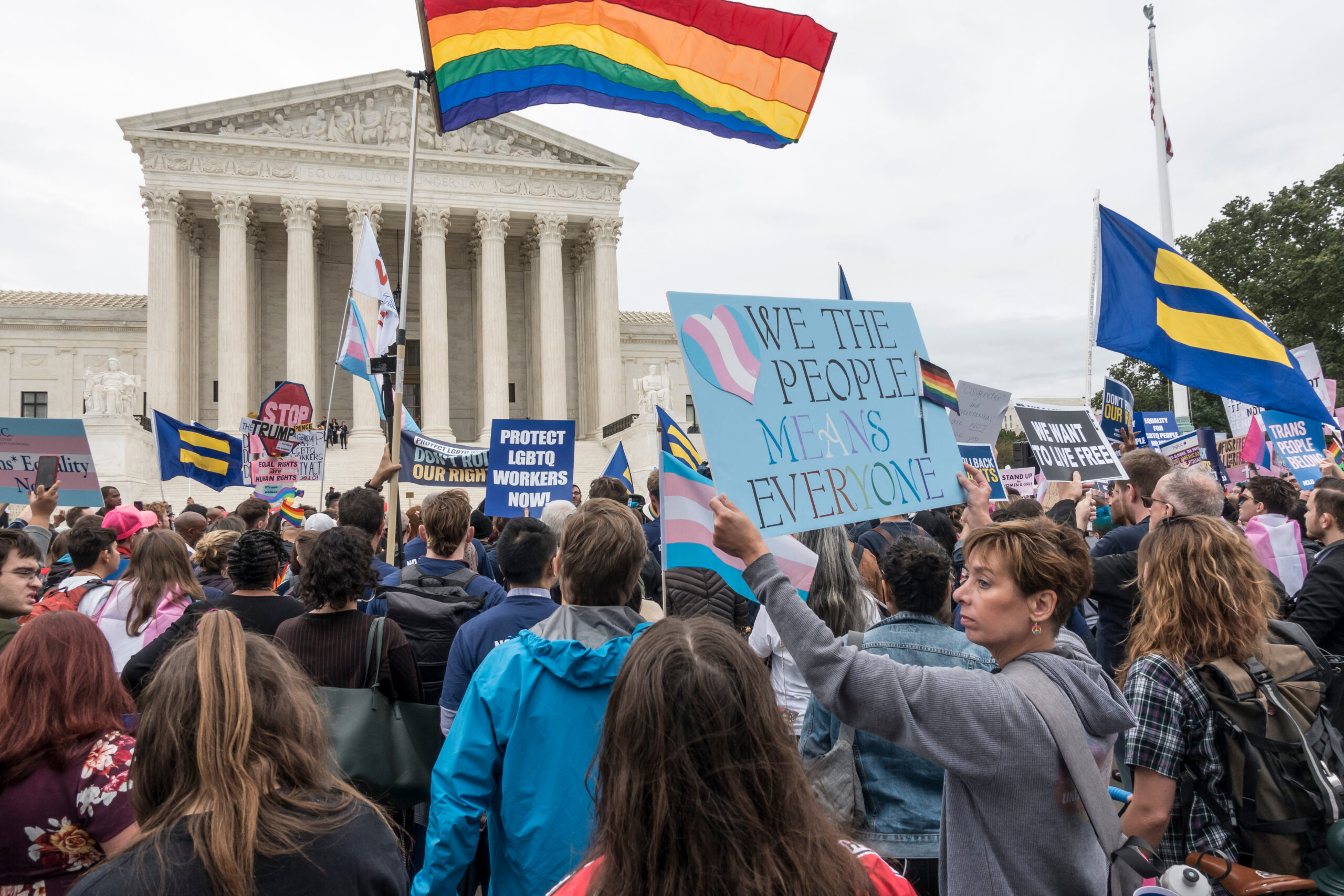
Co-authored by: Judy Wang (FPF Intern), Jeter Sison (FPF Intern), Jordan Wrigley (FPF Data and Policy Analyst, Health & Wellness) On National Coming Out Day, it’s important to recognize that Coming Out is a right of passage for many LGBTQ+ individuals and a decision that they should be empowered to make for themselves. Protections for […]
Ed_AI_legal_compliance.pdf_(FInal_OCT24)
YOUTH & EDUCATION Vetting Generative AI Tools for Use in Schools David Sallay, Future of Privacy Forum, April 2024 POLICY BRIEF A U T H O R E D B Y D avid S allay D irector for Youth & Education P rivacy A C K N O W L E D G E M […]

FPF Analysis of New Requirements for Generative AI Use by Healthcare Entities in Patient Communications
Co-Authored by Judy Wang, FPF Communications Intern On September 28, Governor Gavin Newsom signed California AB 3030, among a host of AI bills. CA AB 3030 amended the California Health & Safety Code and requires specified healthcare entities to disclose the use of generative artificial intelligence (AI) in provider-patient communications through visual or verbal disclaimers […]