
FPF ANPR Comment 10 17_submitted
1 1350 Eye Street NW, Suite 350, Washin gton, DC 20005 | 202 -768 -8950 | fpf.org October 17 , 202 5 Via Electronic Submission Acting Director Russell Vought Consumer Financial Protection Bureau 1700 G Street, NW Washington, DC 20552 Re: Comments on Personal Financial Data Rights Reconsideration (Docket No. CFPB – 202 5–0037 ) […]
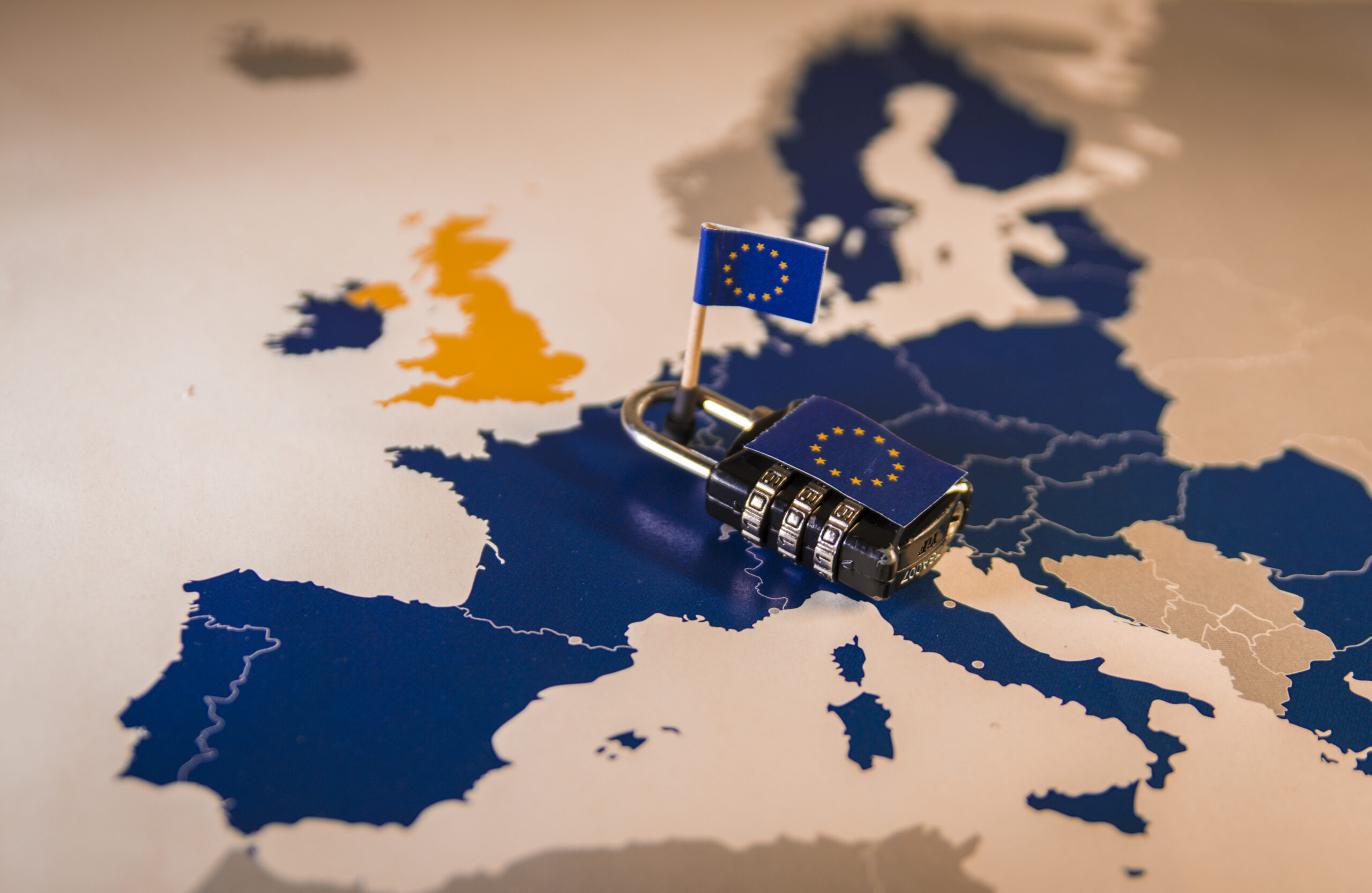
The Draghi Dilemma: The Right and the Wrong Way to Undertake GDPR Reform
The following is a guest post to the FPF blog authored by Christopher Kuner, Visiting Fellow at the European Centre on Privacy and Cybersecurity at Maastricht University and FPF Senior Fellow. The guest post reflects the opinion of the author only and does not necessarily reflect the position or views of FPF and our stakeholder […]
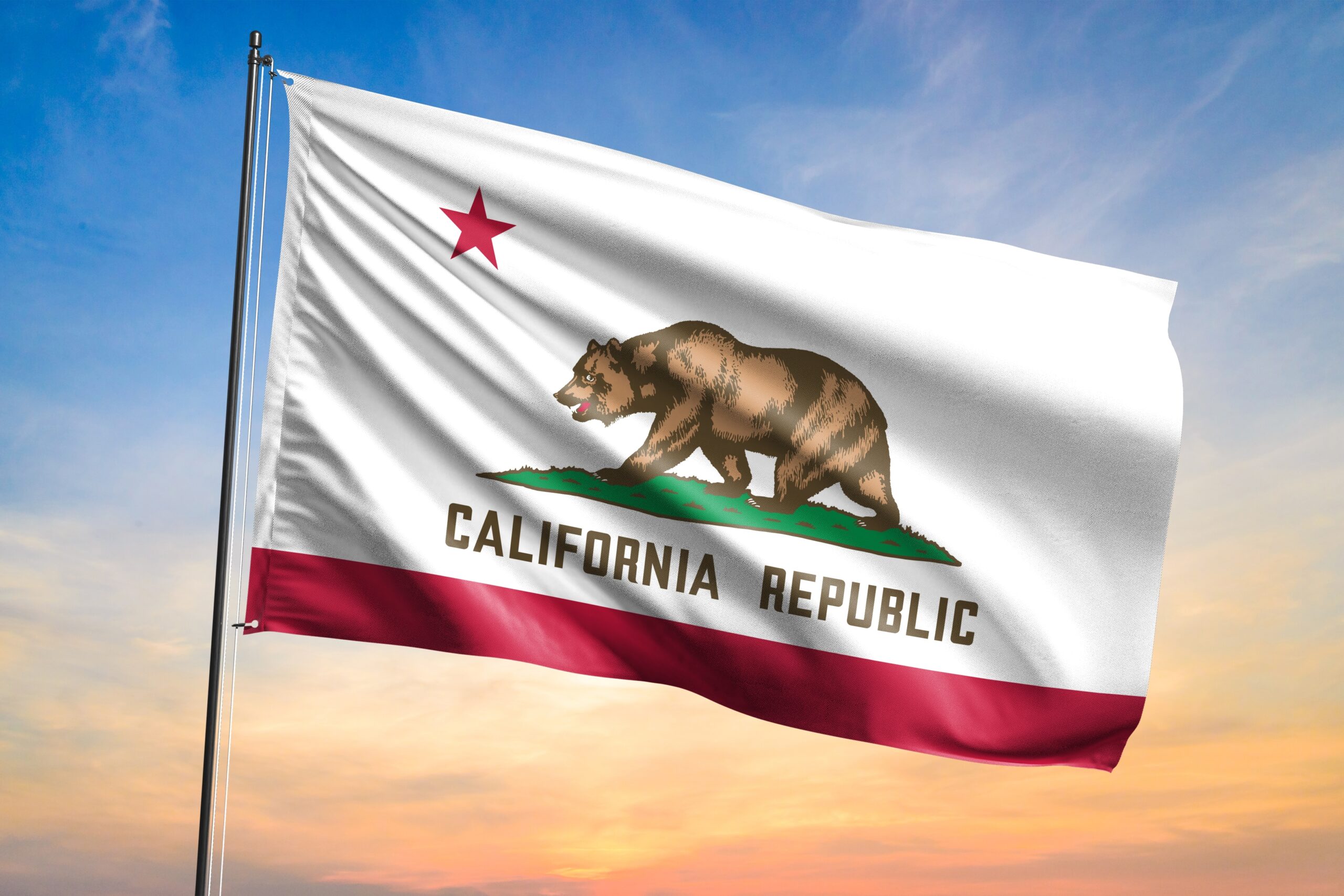
California’s SB 53: The First Frontier AI Law, Explained
California Enacts First Frontier AI Law as New York Weighs Its Own On September 29, Governor Newsom (D) signed SB 53, the “Transparency in Frontier Artificial Intelligence Act (TFAIA),” authored by Sen. Scott Wiener (D). The law makes California the first state to enact a statute specifically targeting frontier artificial intelligence (AI) safety and transparency. […]
Call for Nominations: 16th Annual Privacy Papers for Policymakers Awards
The 16th Privacy Papers for Policymakers call for submissions is now open until October 30, 2025. FPF’s Privacy Papers for Policymakers Award recognizes leading privacy research and analytical scholarship relevant to policymakers in the U.S. and internationally. The award highlights important work that analyzes current and emerging privacy issues and proposes achievable short-term solutions or […]

Highlights from FPF’s July 2025 Technologist Roundtable: AI Unlearning and Technical Guardrails
On July 17, 2025, the Future of Privacy Forum (FPF) hosted the second in a series of Technologist Roundtables with the goal of convening an open dialogue on complex technical questions that impact law and policy, and assisting global data protection and privacy policymakers in understanding the relevant technical basics of large language models (LLMs). […]

Balancing Innovation and Oversight: Regulatory Sandboxes as a Tool for AI Governance
Thanks to Marlene Smith for her research contributions. As policymakers worldwide seek to support beneficial uses of artificial intelligence (AI), many are exploring the concept of “regulatory sandboxes.” Broadly speaking, regulatory sandboxes are legal oversight frameworks that offer participating organizations the opportunity to experiment with emerging technologies within a controlled environment, usually combining regulatory oversight […]

Malaysia Charts Its Digital Course: A Guide to the New Frameworks for Data Protection and AI Ethics
The digital landscape in Malaysia is undergoing a significant transformation. With major amendments to its Personal Data Protection Act (PDPA) taking effect in June 2025, the country is decisively updating its data protection standards to meet the demands of the global digital economy. This modernization effort is complemented by a forward-looking approach to artificial intelligence […]

The Connecticut Data Privacy Act Gets an Overhaul (Again)
Co-Authored by Gia Kim, FPF U.S. Policy Intern On June 25, Governor Ned Lamont signed SB 1295, amending the Connecticut Data Privacy Act (CTDPA). True to its namesake as the “Land of Steady Habits,” Connecticut is developing the habit of amending the CTDPA. Connecticut has long been ahead of the curve, especially when it comes […]
2. State & Federal Privacy Leg & Reg Brief Sheet
16 TH ANNUAL ADVISORY BOARD MEETING June 11–13, 2025 • Washington, D.C. State & Federal Privacy Legislation and Regulation Discussion Lead: Jordan Francis and Keir Lamont SESSION DESCRIPTION Our session will delve into the latest developments in state and federal privacy legislation and regulation. This covers new data minimization standards, California’s ongoing rulemaking efforts, and […]
Framework for the Future- Reviewing Data Privacy in Today’s Financial System
Written Testimony of Zoe Strickland Senior Fellow, Future of Privacy Forum Before the U.S. House of Representatives Financial Services Subcommittee on Financial Institutions “Framework for the Future: Reviewing Data Privacy in Today’s Financial System” June 5, 2025 On behalf of the Future of Privacy Forum (FPF), I thank you for the opportunity to testify about […]