

Trust Deficit Why a Lack of Trust in Government and Technology has Harmed our Pandemic Response
Trust Deficit: Why a Lack of Trust in Government and Technology has Harmed U.S. Pandemic Response Position Statement for Privacy & Pandemics: Responsible Uses of Technology and Health Data During Times of Crisis By Sara Collins, Policy Counsel at Public Knowledge and Erin Simpson, Associate Director of Technology Policy at the Center for American Progress […]
Technological Inequality, Contextual Privacy, and COVID-19
Technological Inequality, Contextual Privacy, and COVID-19
Technological Inequality, Contextual Privacy, and COVID-19
Technological Inequality, Contextual Privacy, and COVID-19

How the Student Privacy Pledge Bolsters Legal Requirements and Supports Better Privacy in Education
The Student Privacy Pledge is a public and legally enforceable statement by edtech companies to safeguard student privacy, built around a dozen privacy commitments regarding the collection, maintenance, use, and sharing of student personal information. Since it was introduced in 2014 by the Future of Privacy Forum (FPF) and the Software and Information Industry Association, […]



Quentin Palfrey

Advisory Board
Members of the FPF Advisory Board provide input in support of transparency, user control, and the advancement of responsible data practices. By serving as advisors they are not responsible for the content of the website, nor do they necessarily endorse the positions taken by FPF. Advisors serve in a personal capacity and their affiliation does […]

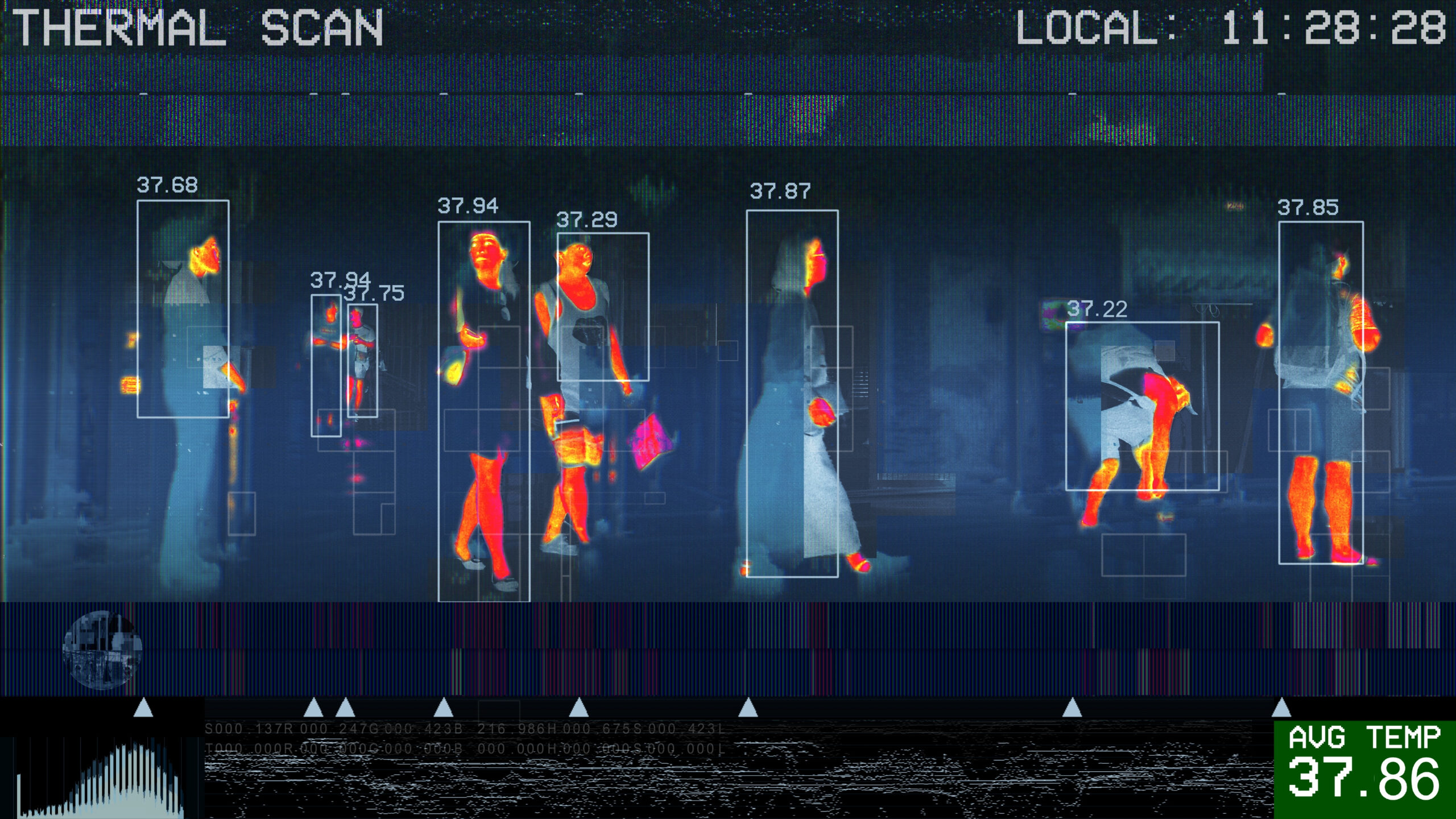
Thermal Imaging as Pandemic Exit Strategy: Limitations, Use Cases and Privacy Implications
Authors: Hannah Schaller, Gabriela Zanfir-Fortuna, and Rachele Hendricks-Sturrup Around the world, governments, companies, and other entities are either using or planning to rely on thermal imaging as an integral part of their strategy to reopen economies. The announced purpose of using this technology is to detect potential cases of COVID-19 and filter out individuals in […]