
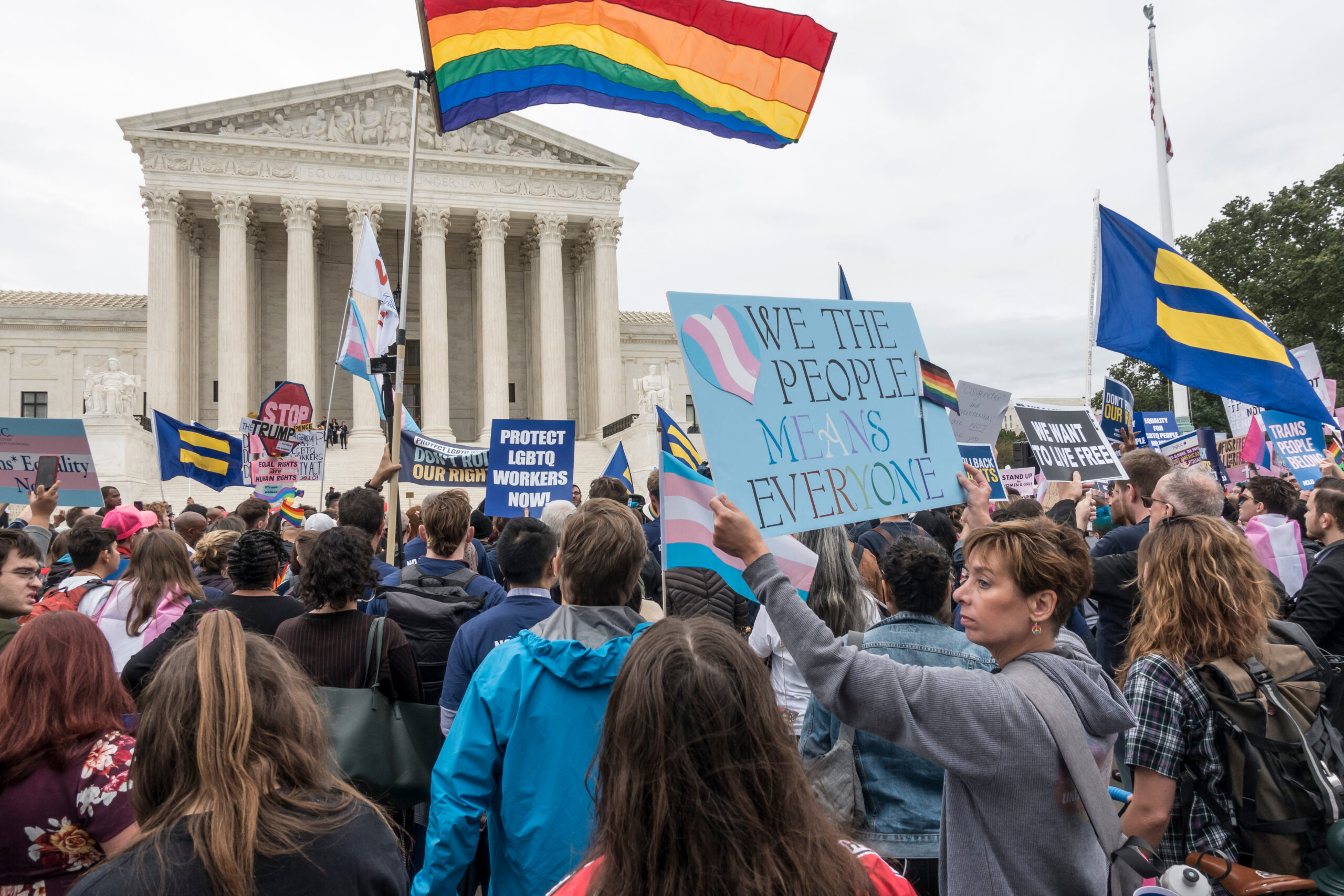
Out, Not Outed: Privacy for Sexual Health, Orientations, and Gender Identities
Co-authored by: Judy Wang (FPF Intern), Jeter Sison (FPF Intern), Jordan Wrigley (FPF Data and Policy Analyst, Health & Wellness) On National Coming Out Day, it’s important to recognize that Coming Out is a right of passage for many LGBTQ+ individuals and a decision that they should be empowered to make for themselves. Protections for […]

Ed_AI_legal_compliance.pdf_(FInal_OCT24)
YOUTH & EDUCATION Vetting Generative AI Tools for Use in Schools David Sallay, Future of Privacy Forum, April 2024 POLICY BRIEF A U T H O R E D B Y D avid S allay D irector for Youth & Education P rivacy A C K N O W L E D G E M […]
FPF Submits Comments to Inform New York Children’s Privacy Rulemaking Processes
At the end of the 2024 legislative session, New York State passed a pair of bills aimed at creating heightened protections for children and teens online. One, the New York Child Data Protection Act (NYCDPA), applies to a broad range of online services that are “primarily directed to children.” The NYCDPA creates novel substantive data […]
Infographic Explores Driver Data Collection and Use in Connected Cars
FPF’s “Data and the Connected Vehicle” Demystifies Connected Car Ecosystem as Policymakers Look to Regulate SEPT. 16, 2024 — Vehicle technologies are evolving rapidly, in every facet of the system, from safety features to entertainment, and occupant convenience. Many of these new features are enabled by the collection of driver and occupant data – and […]

FPF Unveils Report on Emerging Trends in U.S. State AI Regulation
Today, the Future of Privacy Forum (FPF) launched a new report—U.S. State AI Legislation: A Look at How U.S. State Policymakers Are Approaching Artificial Intelligence Regulation— analyzing recent proposed and enacted legislation in U.S. states. As artificial intelligence (AI) becomes increasingly embedded in daily life and critical sectors like healthcare and employment, state lawmakers have […]
Call for Nominations: 15th Annual Privacy Papers for Policymakers Award
Future of Privacy Forum Award Elevates Privacy Research to Inform Policy Discussion September 9, 2024 —The Future of Privacy Forum (FPF) invites scholars and authors with an interest in privacy issues to submit finished papers to be considered for its 15th annual Privacy Papers for Policymakers (PPPM) Awards. The award provides privacy and data protection […]
Comments Submitted to the FCC on Disclosure and Transparency of AI-Generated Content in Political Advertisements
The Future of Privacy Forum (FPF) submitted comments in response to the Federal Communications Commission’s (FCC, or Commission) Notice of Proposed Rulemaking (NPRM) on the use of artificial intelligence (AI) to generate content for political advertisements.
Looking Toward the Future: Building a Safe, Secure, and Private Internet for Everyone
Join us for another event in a series on privacy, security, and online safety for young people in Australia. Looking Toward the Future: Building a Safe, Secure, and Private Internet for Everyone, takes place on Wednesday, September 4, 9 am – 11 am Australian Eastern Time. In our increasingly digital world, the boundaries of our […]
FPF Files Comments on Data Broker Registration Regulations to CPPA
FPF seeks to support balanced, informed public policy and equip regulators with the resources and tools needed to craft effective regulation. In response to the Agency’s public comment on data broker registration regulations, FPF recommends clarifying the definition of “direct relationship” to better align with user expectations on the forthcoming accessible deletion mechanism. Specifically, FPF […]
FPF Highlights Intersection of AI, Privacy, and Civil Rights in Response to California’s Proposed Employment Regulations
On July 18, the Future of Privacy Forum submitted comments to the California Civil Rights Council (Council) in response to their proposed modifications to the state Fair Employment and Housing Act (FEHA) regarding automated-decision systems (ADS). As one of the first state agencies in the U.S. to advance modernized employment regulations to account for automated-decision […]