

What to Expect from the Review of Australia’s Privacy Act
The author thanks Anna Johnston and Alex Kotova (Salinger Privacy) for their review and comments and Gabriela Zanfir-Fortuna, Josh Lee Kok Thong, Lee Matheson, and Isabella Perera (FPF) for their support with editing this post. On February 16, 2023, Australia’s Attorney-General’s Department (AGD) released a final report (Review Report) on its multi-year review of Australia’s […]
FPF-PrivacyMetricsReport-R10-Digital
PRIVACY METRICS REPORT MARCH 2022 Section Title The Future of Privacy Forum (FPF) is a non-profit organization that serves as a catalyst for privacy leadership and scholarship, advancing principled data practices in support of emerging technologies. Learn more about FPF by visiting fpf.org . AUTHORED BY Omer Tene Senior Fellow, Future of Privacy Forum Mary […]
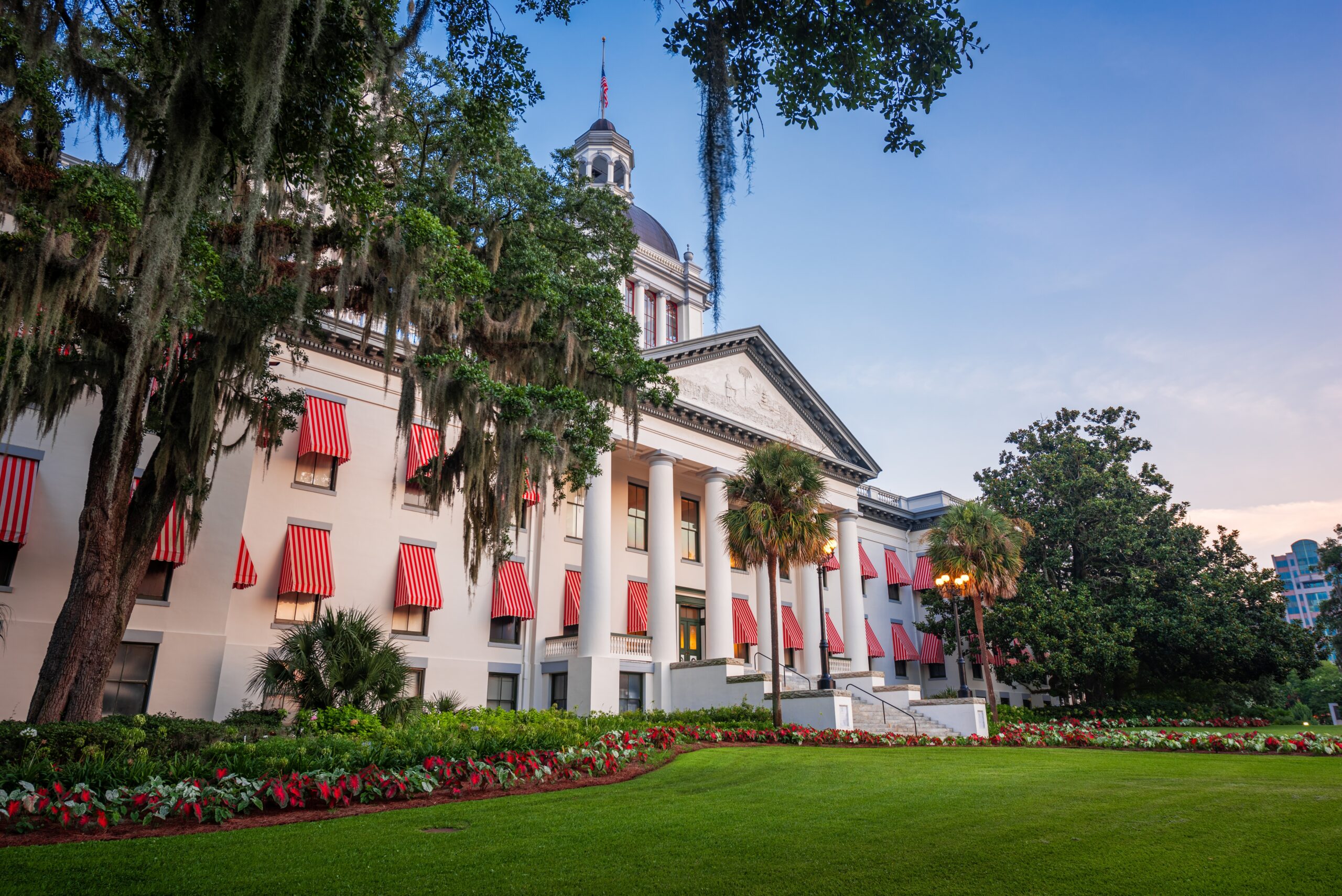
Shining a Light on the Florida Digital Bill of Rights
On May 4, 2023, the Florida ‘Digital Bill of Rights’ (SB 262) cleared the state legislature and now heads to the desk of the Governor for signature. SB 262 bears many similarities to the Washington Privacy Act and its progeny (specifically the Texas Data Privacy and Security Act). However, SB 262 is unique given its […]
FPF Article 25 GDPR A4 FINAL Digital
MAY 2023 Unlocking Data Protection By Design & By Default: Lessons from the Enforcement of Article 25 GDPR The Future of Privacy Forum (FPF) is a non-profit organization that serves as a catalyst for privacy leadership and scholarship, advancing principled data practices in support of emerging technologies. Learn more about FPF by visiting fpf.org. FPF […]

Let’s Look at LLMs: Understanding Data Flows and Risks in the Workplace
Over the last few months, we have seen generative AI systems and Large Language Models (LLMs), like OpenAI’s ChatGPT, Google Bard, Stable Diffusion, and Dall-E, send shockwaves throughout society. Companies are racing to bake AI features into existing products and roll out new services. Many Americans are worrying whether generative AI and LLMs are going […]
FPF SCC Not-So-Standard Clauses Report FINAL single pages (1)
NOT-SO-STANDARD CLAUSES Examining Three Regional Contractual Frameworks for International Data Transfers MARCH 2023 The Future of Privacy Forum (FPF) serves as a catalyst for privacy leadership and scholarship advancing responsible data practices in support of emerging technologies. FPF is based in Washington, DC, has offices in Brussels, Tel Aviv, Singapore and Nairobi, and includes an […]
Student Voices: LGBTQ+ Experiences in the Connected Classroom Report & Infographic
Infographic and Report, Student Voices: LGBTQ+ Experiences in the Connected Classroom, was developed through a partnership with LGBT Tech, a national, nonpartisan group of LGBT organizations, academics, and high technology companies, builds on FPF and LGBT Tech research, including interviews with recent high school graduates who identify as LGBTQ+, to gather firsthand accounts of how […]
New Report Highlights LGBTQ+ Student Views on School Technology and Privacy
The Future of Privacy Forum and LGBT Tech outline recommendations for schools and districts to balance inclusion and student safety in technology use. Today, the Future of Privacy Forum (FPF), a global non-profit focused on privacy and data protection, and LGBT Tech, a national, nonpartisan group of LGBT organizations, academics, and high technology companies, released […]
FPF LGBTQ+ Student Voices R4
STUDENT VOICES: LGBTQ+ EXPERIENCES IN THE CONNECTED CLASSROOM FEBRUARY 2023 ACKNOWLEDGMENTS The authors would like to thank Ellie Bessette, Jim Siegl, Juliana Cotto and Elijah Armstrong for their contributions to this report. The Future of Privacy Forum (FPF) serves as a catalyst for privacy leadership and scholarship advancing responsible data practices in support of emerging […]
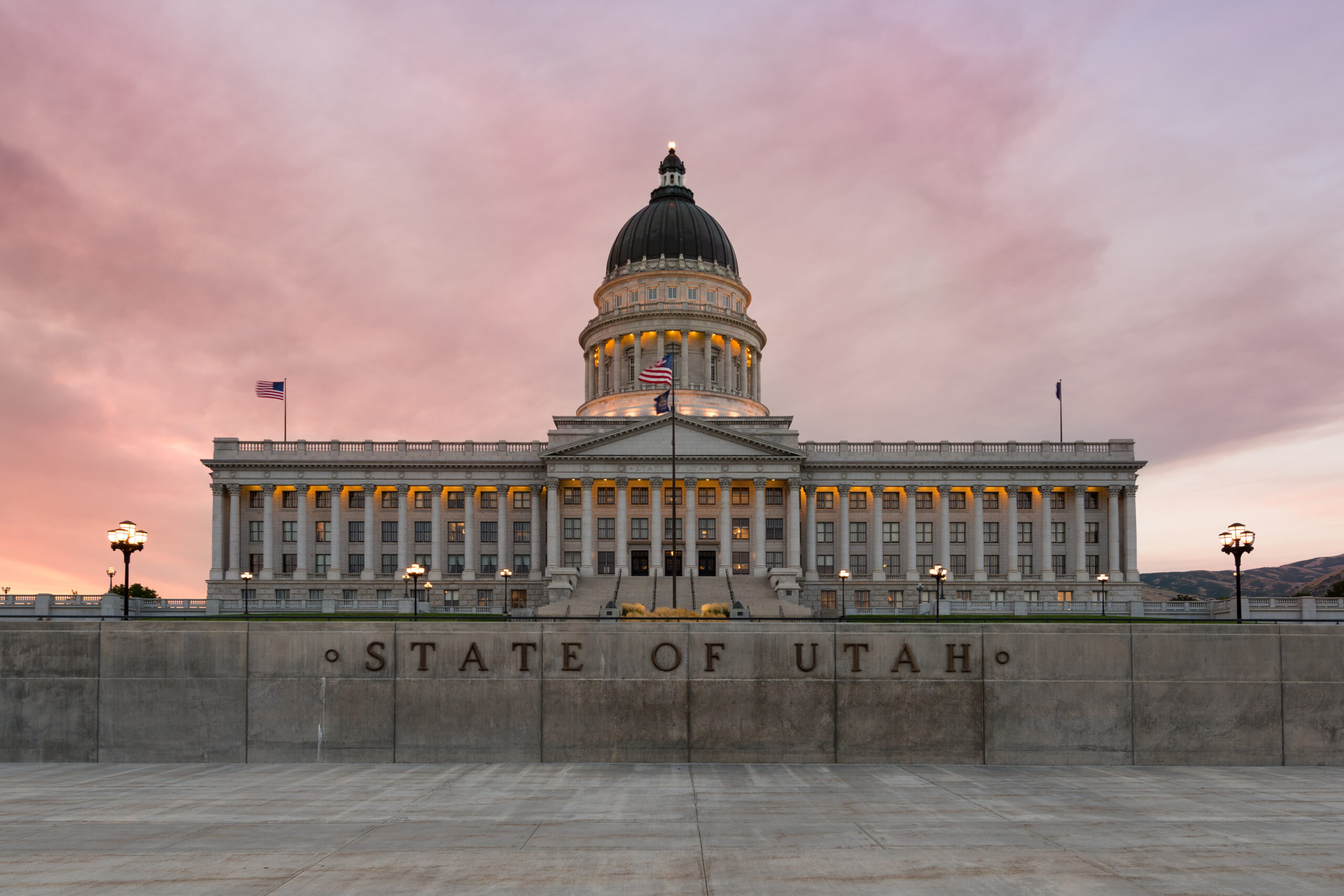
FPF’s Analysis of Utah bills SB 152 and HB 311 (subsequently signed into law), Proposals to Require Web Services to Verify Users’ Ages, Obtain Parental Consent to Process Teens’ Data
The Utah legislature introduced two similar, competing bills that seek to regulate online experiences for Utah users. SB 152 would require social media companies to verify the age of all Utah users and require parental consent for users under 18 to have an account. The bill would also require social media companies to provide a […]