
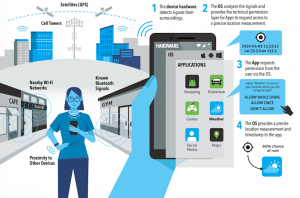
Addressing the privacy issues related to advertising technology and online tracking has been a key focus since FPF’s founding. Increasingly, the mobile advertising space, geo-location tracking, and indoor positioning technologies are at the forefront of online data management, retail, and new consumer offerings. Thus, it is not surprising that regulators, industry leaders, and advocates are taking a hard look at questions about how to appropriately collect and handle consumer data for advertising, location-based targeting, and audience measurement. Additionally, as public awareness of targeted and personalized advertising grows, organizations are pushed to deliver more helpful, relevant ads by less intrusive means. FPF curates a gallery of leading practices, provides up-to-date analysis of emerging and evolving technologies, convenes stakeholders in a monthly working group call, and works with policymakers, advocates, and other stakeholders to support leading privacy practices for the use of location data.





This Year's Must-Read Privacy Papers: The Future of Privacy Forum Announces Recipients of Annual Privacy Papers for Policymakers Award
FOR IMMEDIATE RELEASE December 17, 2018 Contact: Jeremy Greenberg, Georgetown Policy Fellow, [email protected] Nat Wood, [email protected], 410-507-7898 This Year’s Must-Read Privacy Papers: The Future of Privacy Forum Announces Recipients of Annual Privacy Papers for Policymakers Award Washington, DC – Today, the Future of Privacy Forum announced the winners of the 9th Annual Privacy Papers for […]

Privacy Features of iOS 12 and MacOS Mojave
With much media attention focused on new Apple hardware, including new iPhones, Apple also released updated versions of its mobile and desktop operating systems for public download this week. The software upgrades (iOS 12 for iPhones, and macOS 10.14 Mojave for desktop Macs) bring many new features, such as Group FaceTime, options to customize notifications, and aesthetic changes such as an optional desktop “Dark Mode.
Mobile Platforms Address Data Privacy with 2018 Updates (iOS 12, Mojave, & Android P)
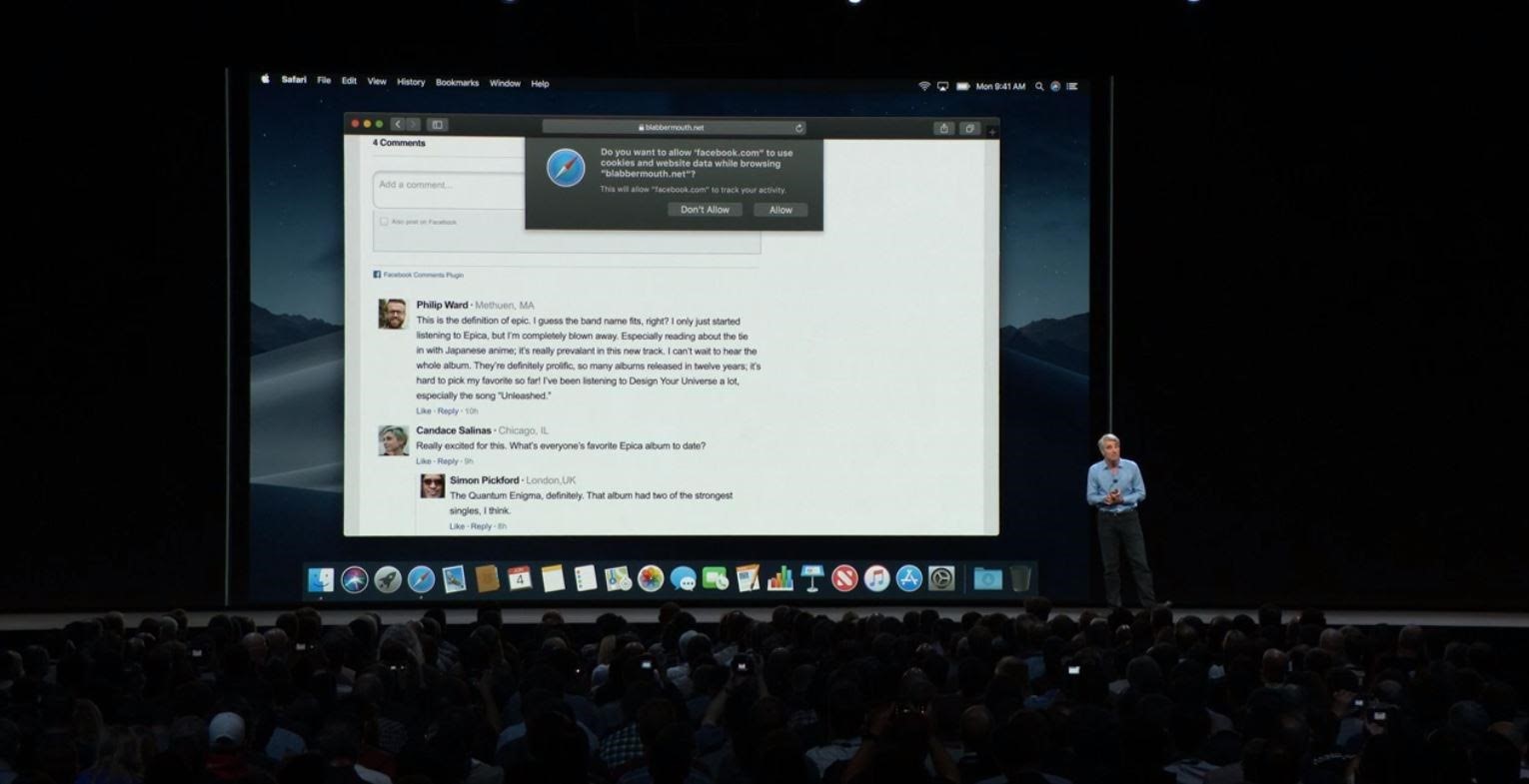
In light of recent debates over Facebook’s role in protecting users’ privacy against third-party app developers, many are recognizing the importance of mobile platforms in safeguarding user data. Apple emphasized privacy in its Worldwide Developers Conference (June 4-8, 2018), highlighting several privacy-related updates to the upcoming macOS and iOS 12. Google also made privacy a focus of their newest mobile operating system, Android P, with several key software updates that will restrict app developers’ access to data.

Custom Audiences and Transparency in Online Advertising
This morning, Facebook announced that they will begin rolling out new requirements for its “Custom Audiences” targeting tool for advertisers. These updates are a useful step towards creating better user understanding of data flows both on Facebook and in the broader web, and enhancing the accountability of advertisers who use custom marketing lists.

Empirical Research in the Internet of Things, Mobile Privacy, and Digital Advertising
In the world of consumer privacy, including the Internet of Things (IoT), mobile data, and advertising technologies (“Ad Tech”), it can often be difficult to measure real-world impact and conceptualize individual harms and benefits. Fortunately, academic researchers are increasingly focusing on these issues, leading to impressive scholarship from institutions such as the Princeton Center for Information Technology Policy (CITP), Carnegie Mellon University School of Computer Science, UC Berkeley School of Information, and many others, including non-profits and think tanks.
The Elise Berkower Memorial Fellowship
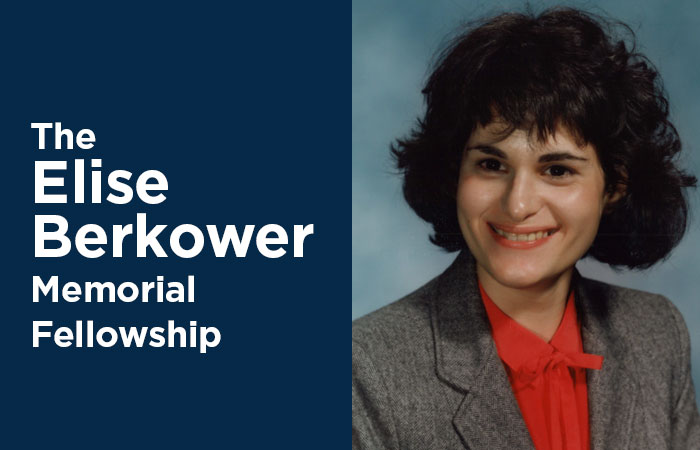
FPF launched a new fellowship in memory of Elise Berkower. Elise was a senior privacy executive at global measurement and data analytics company Nielsen for nearly a decade and was a valued, longtime member of the FPF Advisory Board. FPF graciously acknowledges the Berkower Family and the Nielsen Foundation as founding sponsors of the Elise Berkower Memorial Fellowship.
Understanding Session Replay Scripts – a Guide for Privacy Professionals
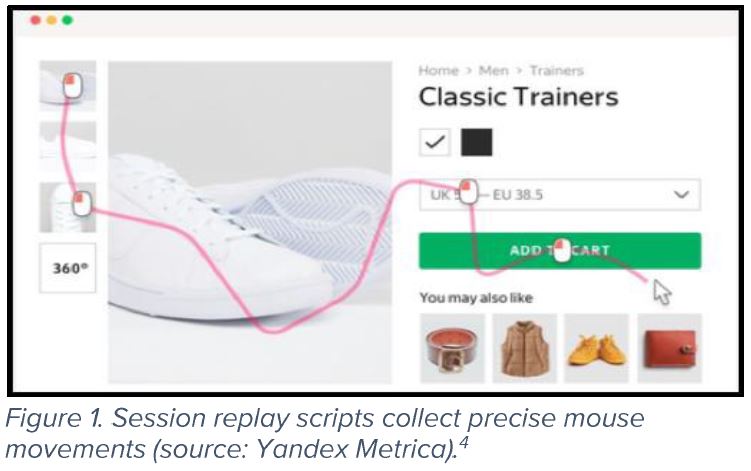
Researchers at Princeton University’s Center for Information Technology Policy (CITP) have demonstrated that many websites are using third-party tools to track visitors’ individual browsing sessions. “Session replay scripts” can raise serious privacy concerns if implemented incorrectly — but with the right safeguards, can be part of a range of ordinary, useful web analytics tools. FPF has published a 3-page guide for Privacy Professionals to assist in deciding whether and how to implement session replay scripts.
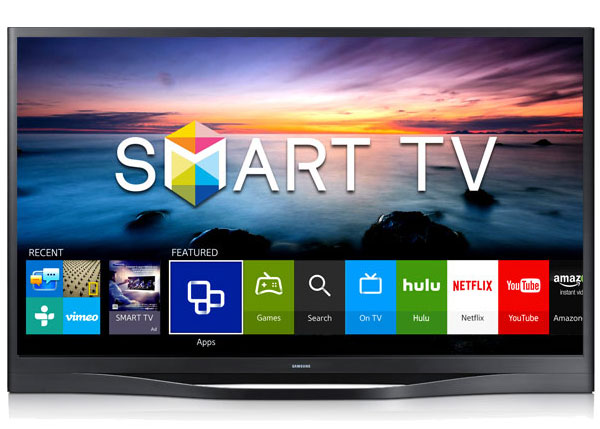
Seeing the Big Picture on Smart TVs and Smart Home Tech
CES 2018 brought to light many exciting advancements in consumer technologies. Without a doubt, Smart TVs, Smart Homes, and voice assistants were dominant: LG has a TV that rolls up like a poster; Philips introduced a Google Assistant-enabled TV is designed for the kitchen; and Samsung revealed its new line of refrigerators, TVs, and other home devices powered by Bixby, their intelligent voice assistant.
NAI Combines Web, Mobile, and Cross-Device Tracking Rules for 2018
The Network Advertising Initiative (NAI) released its 2018 Code of Conduct yesterday, consolidating the rules for online and mobile behavioral advertising (interest-based advertising). NAI, a non-profit organization in Washington, DC, is the leading self-regulatory association for digital advertising, with over 100 members and a formalized internal review mechanism.

Where Are They Now? FPF Trains a New Generation of Privacy Leaders
FPF offers up-and-coming privacy professionals fellowship opportunities, often giving college graduates experience in the privacy world. In this post, we will take a look at some of FPF’s former employees who have gone on to impressive privacy careers.