
Biometric technology has long been used for security and law enforcement purposes such as national security watch lists, passport controls, criminal fingerprint databases, and immigration processing. Now, however, the private sector increasingly uses these systems as a verification method for authentication that previously required a PIN or password. Apple’s decision to include a fingerprint scanner in the iPhone in 2013 brought new public awareness to possible non-law-enforcement applications of biometric technologies, and the company’s shift to facial recognition access in the most recent models further normalized the concept. Biometric technology continues to be adopted in many sectors, including financial services, transportation, health care, computer systems and facility access, and voting. In many cases, this technology is more efficient, less expensive, and easier to use than traditional alternatives, while also eliminating the need for passwords, which are broadly recognized as an insufficiently secure safeguard for user data. However, as with any digital system, there are privacy concerns around the collection, use, storage, sharing, and analysis of the data that are generated by these systems.


Privacy Trends: Four State Bills to Watch that Diverge from California and Washington Models
During 2021, state lawmakers have proposed a range of models to regulate consumer privacy and data protection. As the first state to pass consumer privacy legislation in 2018, California established a highly influential model with the California Consumer Privacy Act. In the years since, other states have introduced dozens of nearly identical CCPA-like state bills. […]
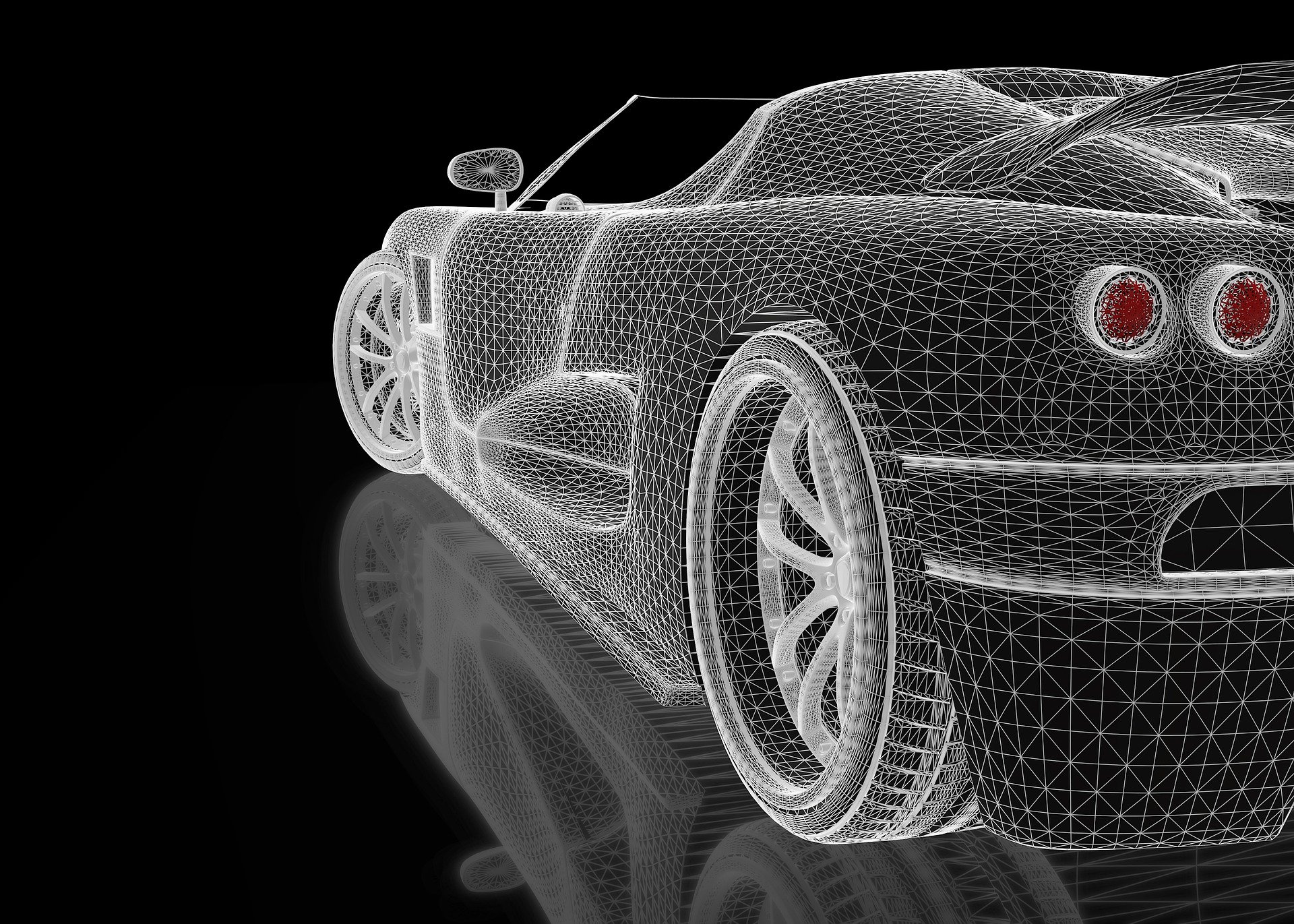
China: New Draft Car Privacy and Security Regulation is Open for Public Consultation
by Chelsey Colbert The author thanks Hunter Dorwart for his contribution to this text. The Cyberspace Administration of China (CAC) released a draft regulation on car privacy and data security on May 12, 2021. China has been very active in automated vehicle development and deployment and has also proposed last fall a draft comprehensive privacy […]

FPF Report Outlines Opportunities to Mitigate the Privacy Risks of AR & VR Technologies
A new report from the Future of Privacy Forum (FPF), Augmented Reality + Virtual Reality: Privacy & Autonomy Considerations in Emerging, Immersive Digital Worlds, provides recommendations to address the privacy risks of augmented reality (AR) and virtual reality (VR) technologies. The vast amount of sensitive personal information collected by AR and VR technologies creates serious risks […]
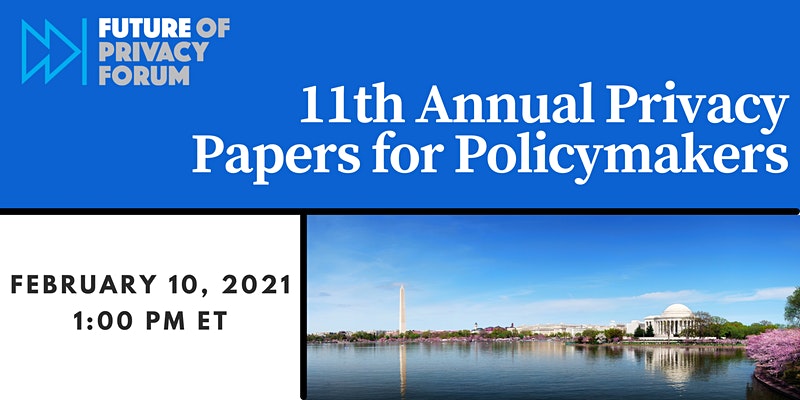
Acting FTC Chairwoman Slaughter Highlights Priorities in Privacy Papers for Policymakers Event Keynote
The Future of Privacy Forum’s 11th-annual Privacy Papers for Policymakers event – the first event in the series to take place virtually – was a success! This year’s event featured a keynote speech by Acting FTC Chairwoman Rebecca Kelly Slaughter and facilitated discussions between the winning authors – Amy B. Cyphert, Clarisse Girot, Brittan Heller, Tiffany C. […]

Emerging Patchwork or Laboratories of Democracy? Privacy Legislation in Virginia and Other States
Stacey Gray, Pollyanna Sanderson & Samuel Adams In the absence of federal privacy legislation, U.S. states are weighing in. In Virginia, the “Consumer Data Protection Act” (“CDPA”) (HB 2307 / SB 1392) could be signed into law within weeks, and if passed, would take effect on Jan. 1, 2023. If the law passes, it would […]

FPF in 2020: Adjusting to the Unexpected
With 2020 fast coming to a close, we wanted to take a moment to reflect on a year that forced us to re-focus our priorities, along with much of our lives, while continuing to produce engaging events, thought-provoking analysis, and insightful reports. Considering Privacy & Ethics at the Dawn of a New Decade Early in […]
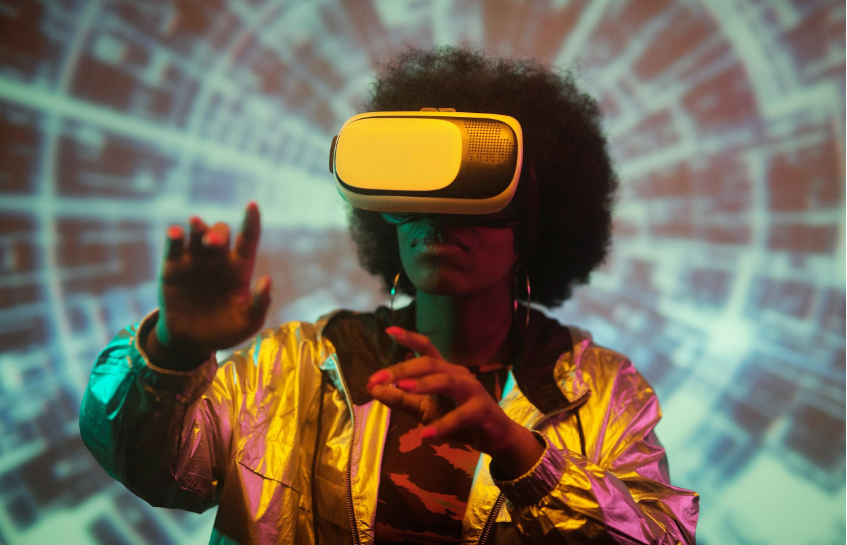
Seven Questions to Ask if You Have XR on Your Holiday Wish List
The holidays are right around the corner, and with so many of us sheltering in place in response to COVID-19, some are looking for an escape from the same four walls. Enter XR to help virtually transport us to new worlds, immersive games, and social interactions. XR, or extended reality, is an umbrella term for […]

Event Recap: Panel at the Annual Privacy Forum 2020
Authors: Hunter Dorwart and Rob van Eijk To track and to get tracked: new innovative methods and advancements On September 30, 2020, the Future of Privacy Forum participated in a panel at the Annual Privacy Forum 2020 (APF-2020). The event is organized annually by the European Union Agency for Cybersecurity (ENISA), the Directorate-General for Communications […]

The Federal Trade Commission Updates to the COPPA FAQs
Although the Commission stated that the revisions “don’t raise new policy issues,” companies collecting or managing data from children under 13 should be aware of several significant changes and clarifications to the FAQs.
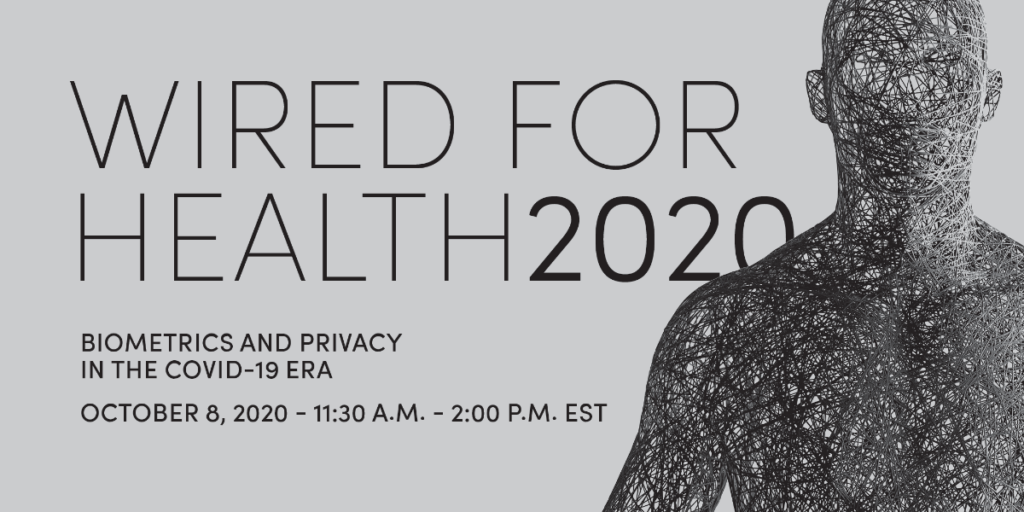
FPF, Highmark Health, and CMU Host Wired for Health: 2020 — Examining Biometric Technologies in the Age of COVID-19
On Thursday, October 8th, Highmark Health, Carnegie Mellon University’s CyLab Security and Privacy Institute, and Future of Privacy Forum hosted a virtual symposium—taking an in-depth look at the role of biometrics and privacy in the COVID-19 era. During this virtual symposium, expert discussants and presenters examined the impact of biometrics and privacy in the ongoing […]