
Education is changing. New technologies are allowing information to flow within schools and beyond, enabling new learning environments and providing new tools to improve the way teachers teach and the way students learn. Data-driven innovations are bringing advances in teaching and learning but are accompanied by concerns about how education data, particularly student-generated data, are being collected and used.
The Future of Privacy Forum believes that there are critical improvements to learning that are enabled by data and technology, and that the use of data and technology is not antithetical to protecting student privacy. In order to facilitate this balance, FPF equips and connects advocates, industry, policymakers, and practitioners with substantive practices, policies, and other solutions to address education privacy challenges at both the K-12 and higher ed levels.




Perseverance Pays Off for Vermont Privacy Efforts
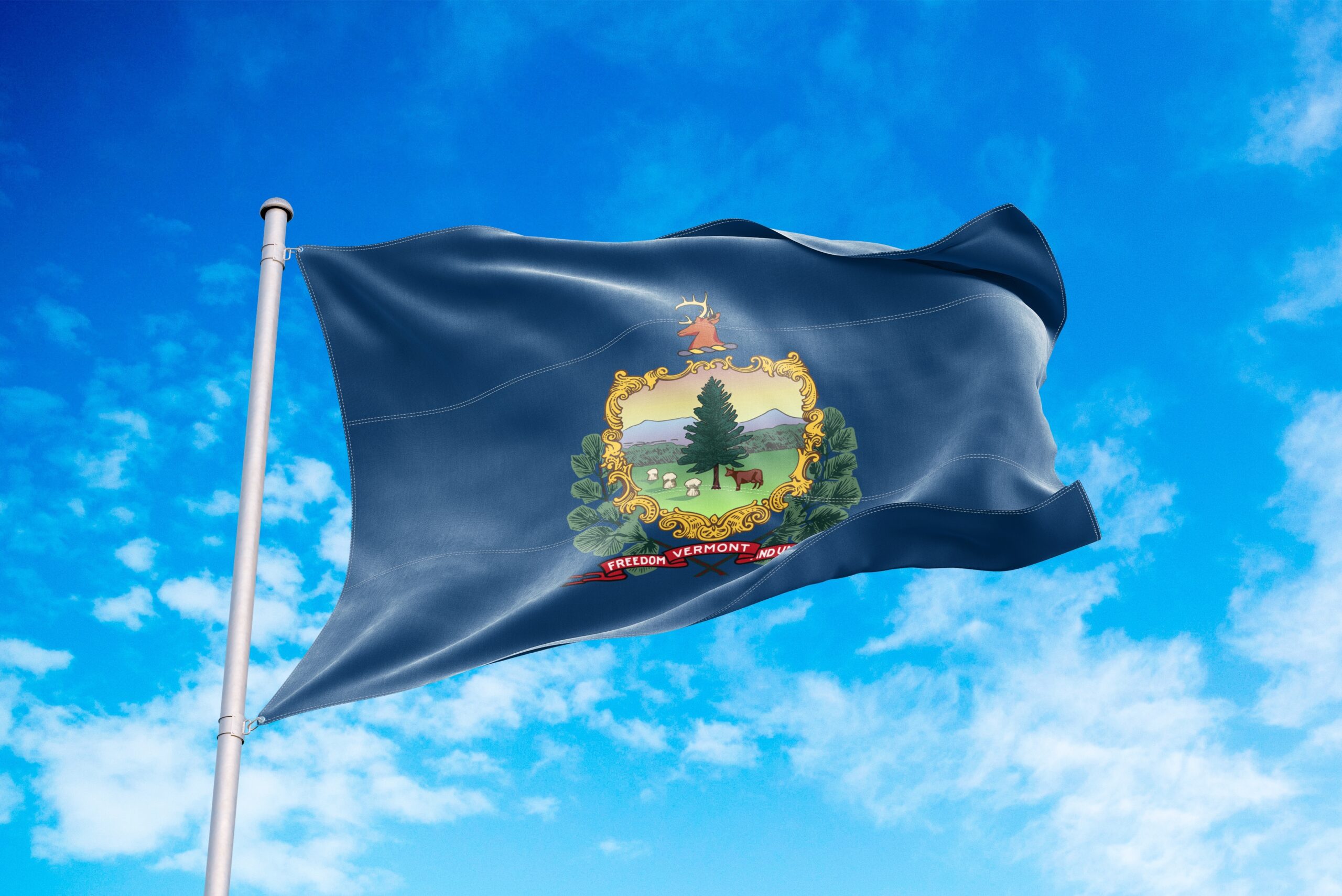
Vermont has become the 23rd U.S. state to enact a comprehensive consumer privacy law after Governor Scott signed S.71, the Vermont Data Privacy and Online Surveillance Act (VDPOSA), on June 16. This new law is amongst the broadest in the country, closely resembling the 2025 version of the Connecticut Data Privacy Act (CTDPA). For example, […]

Privacy Becomes You, Bayou State: A Look at the Louisiana Data Privacy Act
Louisiana has become the 22nd U.S. state to enact a comprehensive consumer privacy law—and the third this year following Oklahoma and Alabama—after Governor Landry signed the Louisiana Data Privacy Act (LDPA) (SB 386) on May 29. Overall, this is a fairly standard state privacy law that follows the Washington Privacy Act framework apart from the law’s […]
Third Time’s the Charm: Connecticut Enacts Annual Privacy Update
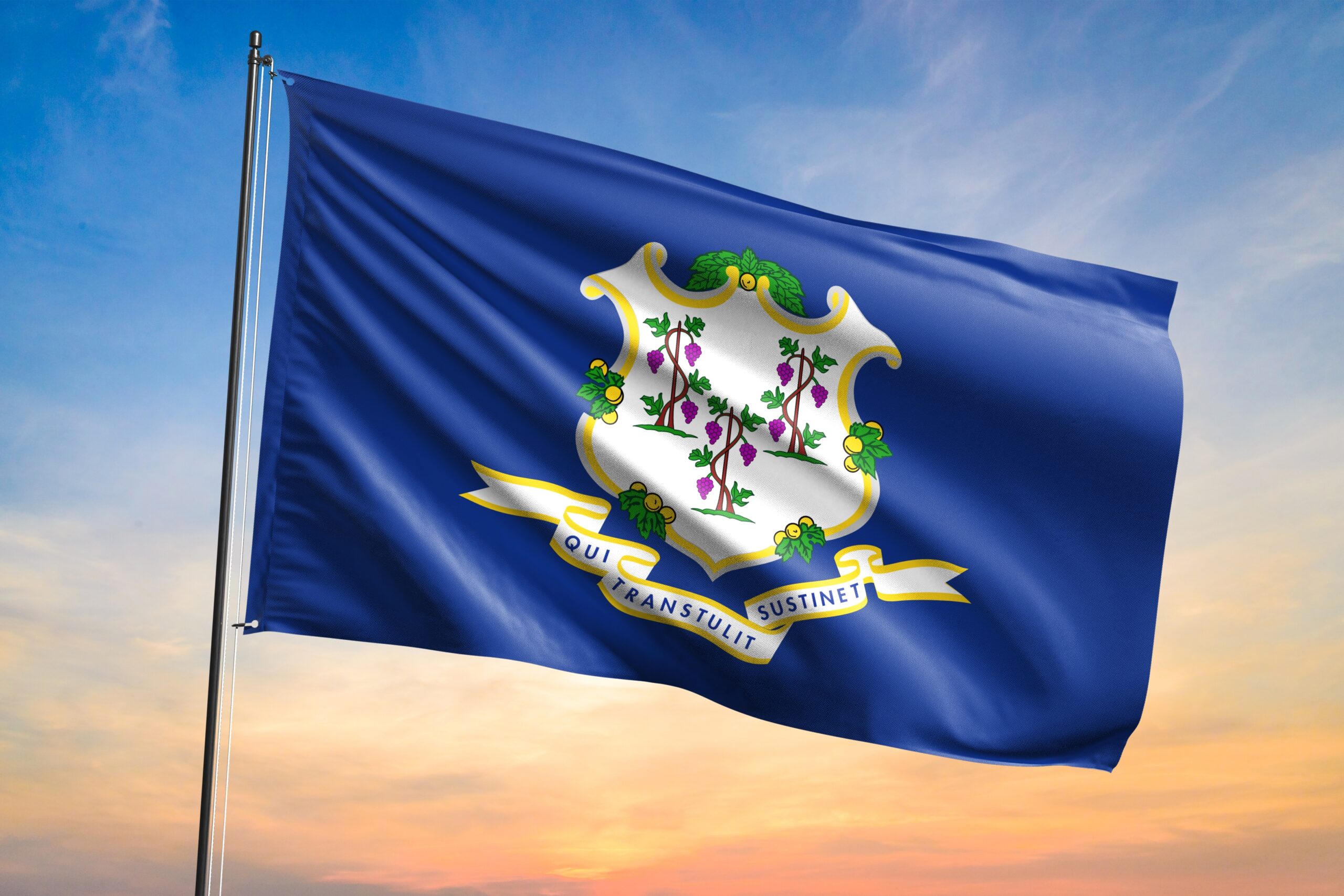
The Connecticut Data Privacy Act (CTDPA) has been revised multiple times since being enacted in 2022: SB 3 added heightened protections for consumer health data and for minors in 2023; and SB 1295 in 2025 expanded the law’s scope, updated and added consumer rights, modified the data minimization and purpose limitation requirements, prescribed impact assessment […]
Contextualizing the Proposed SECURE Data Act in the State Privacy Landscape
Special thanks to FPF’s Dr. Gabriela Zanfir-Fortuna, VP of Global Policy, for her contributions to this analysis. The House Committee on Energy and Commerce’s Republican data privacy working group released their long-awaited comprehensive consumer privacy bill on April 22, titled the “Securing and Establishing Consumer Uniform Rights and Enforcement over Data Act” (SECURE Data Act) […]

The Alabama Personal Data Protection Act Brings Consumer Privacy to the Heart of Dixie
We had to wait almost two years between when the 19th and 20th state comprehensive privacy laws were enacted, but the gap between the 20th and 21st proved to be a mere month. Governor Ivey signed HB 351, the Alabama Personal Data Protection Act (APDPA) into law on April 16. While this law is based […]

FPF Releases Updated Infographic on Age Assurance Technologies, Emerging Standards, and Risk Management
The Future of Privacy Forum is releasing an updated version of its Age Assurance: Technologies and Tradeoffs infographic, reflecting how rapidly the technical and policy landscape has evolved over the past year. As lawmakers, platforms, and regulators increasingly converge on age assurance as a governance tool, the updated infographic sharpens the focus on proportionality, privacy […]

What’s New in COPPA 2.0? A Summary of the Proposed Changes
On November 25th, U.S. House Energy and Commerce introduced a comprehensive bill package to advance child online privacy and safety, which included its own version of the Children and Teens’ Online Privacy Protection Act (“COPPA 2.0”) to modernize COPPA. First enacted in 1998, the Children’s Online Privacy Protection Act (COPPA) is a federal law that […]

“Personality vs. Personalization” in AI Systems: Responsible Design and Risk Management (Part 4)
This post is the fourth and final blog post in a series on personality versus personalization in AI systems. Read Part 1 (exploring concepts), Part 2 (concrete uses and risks), and Part 3 (intersection with U.S. law). Conversational AI technologies are hyper-personalizing. Across sectors, companies are focused on offering personalized experiences that are tailored to […]
Chile’s New Data Protection Law: Context, Overview, and Key Takeaways
On August 26, 2024, the Chilean Congress approved Law 21.719, on the Protection of Personal Data (“LPPD”) after eight years of legislative debate. The legislation was published on December 13, 2024, and will become fully effective twenty-four months after that date (in December 2026). The LPPD was introduced in the Senate in 2017 to replace […]

FPF Releases Infographic Highlighting the Spectrum of AI in Education
To highlight the wide range of current use cases for Artificial Intelligence (AI) in education and future possibilities and constraints, the Future of Privacy Forum (FPF) today released a new infographic, Artificial Intelligence in Education: Key Concepts and Uses. While generative AI tools that can write essays, generate and alter images, and engage with students […]