
Education is changing. New technologies are allowing information to flow within schools and beyond, enabling new learning environments and providing new tools to improve the way teachers teach and the way students learn. Data-driven innovations are bringing advances in teaching and learning but are accompanied by concerns about how education data, particularly student-generated data, are being collected and used.
The Future of Privacy Forum believes that there are critical improvements to learning that are enabled by data and technology, and that the use of data and technology is not antithetical to protecting student privacy. In order to facilitate this balance, FPF equips and connects advocates, industry, policymakers, and practitioners with substantive practices, policies, and other solutions to address education privacy challenges at both the K-12 and higher ed levels.




Associated Press: Schools debate whether to detail positive tests for athletes
In a recent article published by the Associated Press in The Washington Post and The New York Times, the Future of Privacy Forum warns of the privacy risks of sharing information about positive COVID-19 tests among students, particularly student athletes who have already returned to campus to prepare for the upcoming sports season. Read an excerpt […]
Polonetsky: Are the Online Programs Your Child’s School Uses Protecting Student Privacy? Some Things to Look For
Op-ed by Future of Privacy Forum CEO Jules Polonetsky published in The74. As CEO of a global data protection nonprofit, I spend my workdays focused on helping policymakers and companies navigate new technologies and digital security concerns that have emerged in the wake of the COVID-19 pandemic. Meanwhile, my children have adopted many of these […]

FPF Charts DPAs’ Priorities and Focus Areas for the Next Decade
The Future of Privacy Forum (FPF) today released a white paper, New Decade, New Priorities: A summary of twelve European Data Protection Authorities’ strategic and operational plans for 2020 and beyond, that provides guidance on the priorities and focus areas that are considered top concerns amongst European Data Protection Authorities (DPAs) for the 2020s and […]
ICYMI: FPF Experts Raise Concerns about Protecting Student Privacy During Rapid Switch to Online Learning
Experts from the Future of Privacy Forum, the nation’s leading think tank focused on advancing responsible consumer privacy practices, have spoken out in numerous articles and publications to raise awareness about privacy concerns stemming from the rapid adoption of general-use technologies to support online learning at K-12 and higher education institutions nationwide. As FPF’s Director […]

FPF and AASA Release Student Privacy Guidance to Help Schools Manage COVID-19 Response
Today, the Future of Privacy Forum (FPF) and AASA, The School Superintendents Association, released a new white paper that offers guidance to help K-12 and higher education administrators and educators protect student privacy during the COVID-19 pandemic.
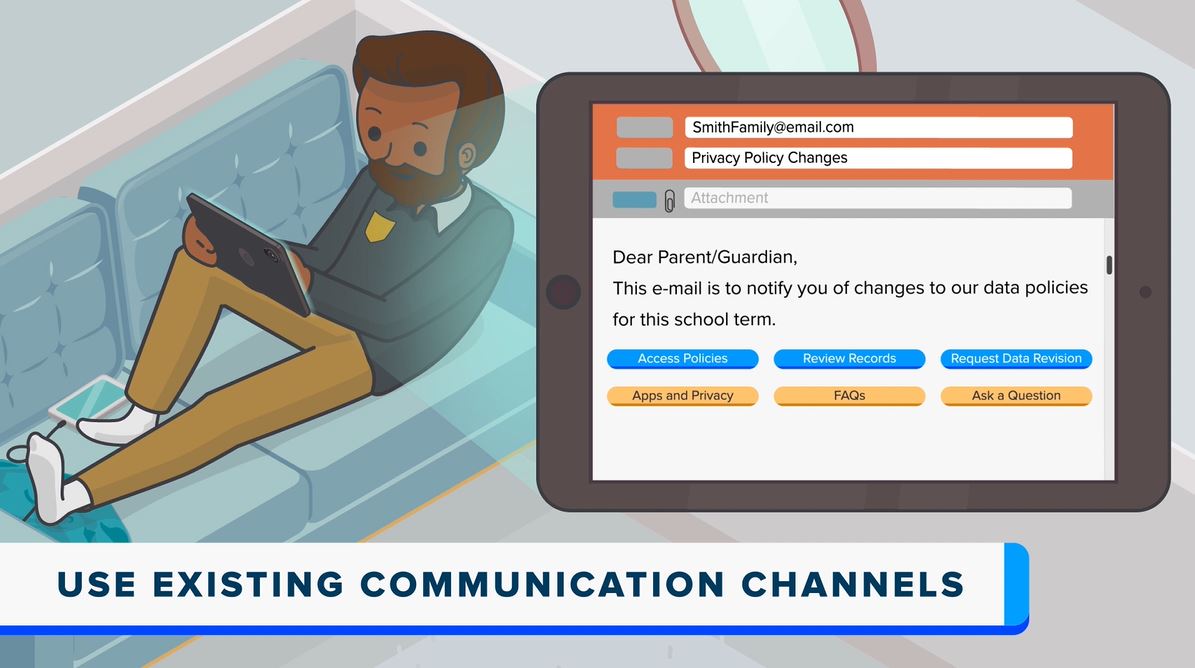
New “Privacy 101” Video Series Helps School District Leaders Protect Student Data
New FPF video series provides best practices and tips on how schools can protect student privacy

Award-Winning Paper: "Dark Patterns at Scale: Findings from a Crawl of 11K Shopping Websites"
For the tenth year, FPF’s annual Privacy Papers for Policymakers program is presenting award-winning research to lawmakers and regulators. Among the papers to be honored at an event at the Hart Senate Office Building on February 6, 2020 is Dark Patterns at Scale: Findings from a Crawl of 11K Shopping Websites by Arnuesh Mathur, Gunes […]
ICYMI: FPF Webinar Examines Policies to Protect Child Privacy Online
FPF experts share updates on the “evolving space” of child privacy
ICYMI: Future of Privacy Forum Highlights Potential “Unintended Consequences” of Child Privacy Policies at TechFreedom Event
FPF Director of Youth & Education Privacy Amelia Vance calls for a focus on improving practicality and clarity around the implementation of new child privacy provisions

Child Privacy Protections Compared: California Consumer Privacy Act v. Proposed Washington Privacy Act
As legislatures consider enacting broad consumer privacy legislation, officials must consider whether, and how, to address children’s and teen’s privacy. The leading models for addressing consumer privacy contain language addressing child privacy that differs in significant ways. Many states have introduced legislation that mirrors the framework of the California Consumer Privacy Act (CCPA). The proposed Washington Privacy Act (SB 6281) has also emerged as an influential framework. CCPA and SB 6281 differ in many respects, including with regard to child privacy. As described below, the frameworks take different approaches to the age of youth protected, the statutory knowledge standards, and the consumer rights granted.