
Healthcare technologies are rapidly evolving, producing new data types and innovative data uses. Data and technology can bring significant enhancements to the healthcare system, deepen patients’ and consumers’ engagement and understanding about their health, and be used as part of initiatives meant to improve health outcomes. It is critical to analyze how sensitive health and wellness data affect individual privacy and understand what it means for doctors, researchers, and companies to responsibly use such data. The FPF health team continues to build on its prior work on Consumer Wearables and Wellness Apps and Devices and Privacy Best Practices for Consumer Genetic Testing Services by exploring and addressing issues at the forefront and intersection of health, data, and privacy. Of main focus are the privacy challenges related to the collection, use, and sharing of both medical data and data that falls outside of the scope of HIPAA and FDA regulations. FPF brings together stakeholders to analyze how new technologies and data practices in the health ecosystem can impact individual privacy and promote the more effective and ethical use of data.






New Report Highlights LGBTQ+ Student Views on School Technology and Privacy
The Future of Privacy Forum and LGBT Tech outline recommendations for schools and districts to balance inclusion and student safety in technology use. Today, the Future of Privacy Forum (FPF), a global non-profit focused on privacy and data protection, and LGBT Tech, a national, nonpartisan group of LGBT organizations, academics, and high technology companies, released […]
This Year’s Must-Read Privacy Papers to be Honored at Capitol Hill Event
The Future of Privacy Forum’s 13th Annual Privacy Papers for Policymakers Award Recognizes Influential Privacy Research Today, the Future of Privacy Forum (FPF) — a global non-profit focused on data protection headquartered in Washington, D.C. — announced the winners of its 13th annual Privacy Papers for Policymakers (PPPM) Awards. The PPPM Awards recognize leading privacy […]

FPF in 2022: A Year in Review
As 2022 comes to an end, we wanted to reflect on a year that saw the Future of Privacy Forum (FPF) expand its presence both domestically and around the globe, while producing engaging events, thought-provoking analysis, and insightful publications. Global Expansion In 2022, FPF closely followed and advised upon significant developments in Asia, the European […]
Record Set: Assessing Points of Emphasis from Public Input on the FTC’s Privacy Rulemaking
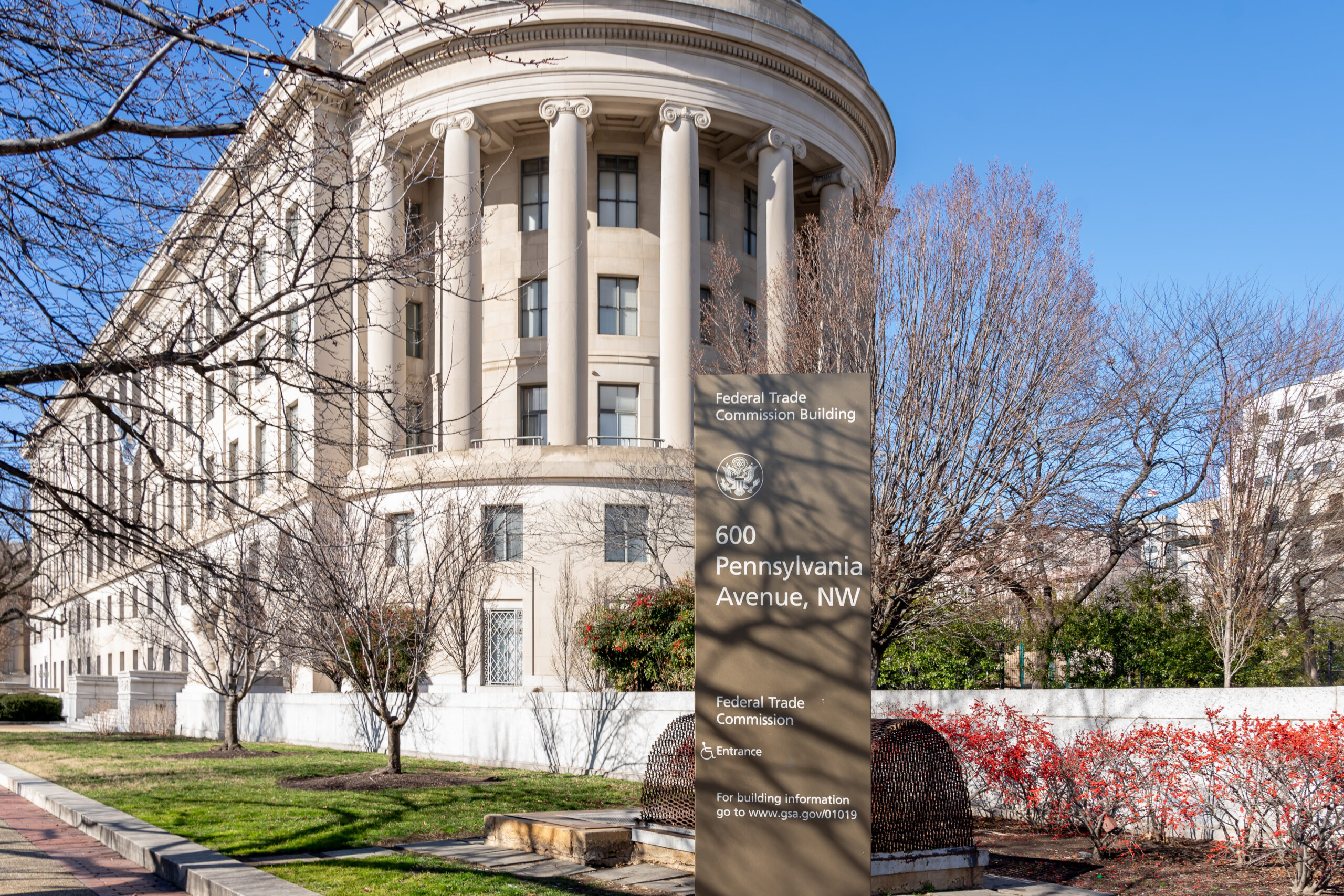
More than 1,200 law firms, advocacy organizations, trade associations, companies, researchers, and others responded to the Federal Trade Commission’s Advance Notice of Proposed Rulemaking (ANPR) on “Commercial Surveillance and Data Security.” Significantly, the ANPR initiates a process that may result in comprehensive regulation of data privacy and security in the United States, and also marks […]

Five Big Questions (and Zero Predictions) for the U.S. State Privacy Landscape in 2023
Entering 2023, the United States remains one of the only global economic powers that lacks a comprehensive, national framework governing the collection and use of consumer data throughout the economy. Congress made unprecedented progress toward enacting baseline privacy legislation in 2022. However, the apparent impasse in the efforts to move H.R. 8152, the American Data […]

Call for Nominations Open: FPF’s Award for Research Data Stewardship
When companies share data with researchers in a way that protects data, the collaboration can unlock new scientific insights and drive progress in medicine, public health, education, social science, and many other fields. FPF is thrilled to announce the open nomination period for FPF’s 3rd Annual Award for Research Data Stewardship. The Award recognizes partnerships […]

California Age-Appropriate Design Code Aims to Address Growing Concern About Children’s Online Privacy and Safety
Authors: Chloe Altieri, Kewa Jiang Kewa Jiang, CIPP/US, is a 2021 graduate of USC Gould School of Law and a Student Contractor with FPF’s Youth and Education Privacy team. On May 26, 2022, AB-2273, the California Age-Appropriate Design Code Act (ADCA) unanimously passed the California Assembly and moved to the Senate for consideration. California Assembly […]

FPF Statement on U.S. Supreme Court’s Decision to Overturn Roe v. Wade
FPF is profoundly disappointed in the U.S. Supreme Court’s decision to overturn Roe v. Wade — a long held precedent that protected the rights of Americans to make personal decisions about their reproductive healthcare for nearly 50 years. The full scope has yet to be realized, but this decision will likely strip privacy protections even […]

When is a Biometric No Longer a Biometric?
In October 2021, the White House Office of Science and Technology (OSTP) published a Request for Information (RFI) regarding uses, harms, and recommendations for biometric technologies. Over 130 entities responded to the RFI, including advocacy organizations, scientists, experts in healthcare, lawyers, and technology companies. While most commenters agreed on core concepts of biometric technologies used […]
FPF Statement on Draft Roe v. Wade Decision
May 3, 2022 — Privacy is a fundamental, deeply entrenched right in the United States and around the world. As technology evolves, individuals need more privacy protections, not fewer. This is particularly true when data and decisions about health and autonomy are at stake. Moreover, traditionally underserved communities need courts and lawmakers to elevate their […]